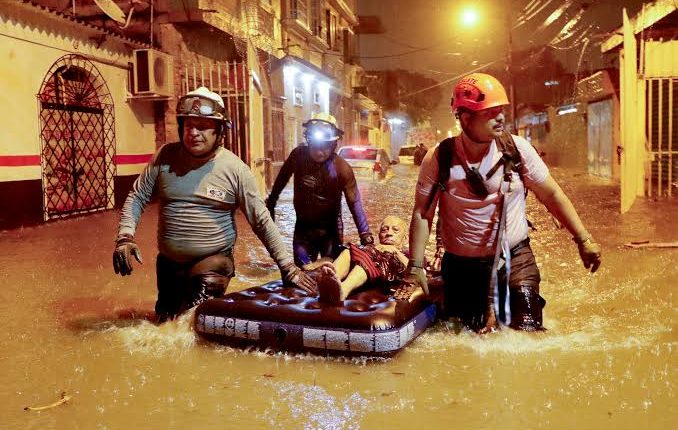

Rain and wind from November 3 to 4 damaged at least 77 Rio Grande do Sul municipalities, injuring 20 and affecting more than 20,000 people. This defines the event’s scope and prevents a partial signal from becoming a broader claim than the evidence supports.
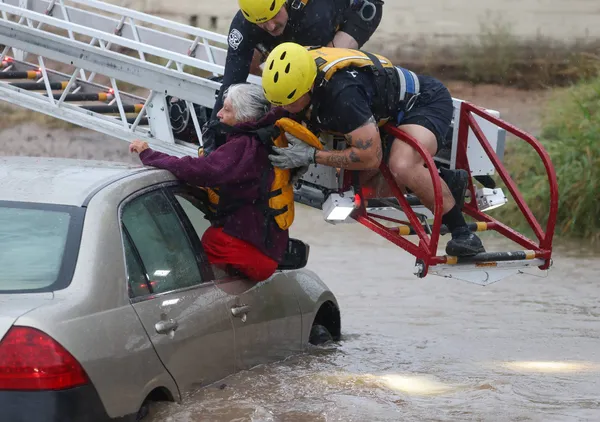
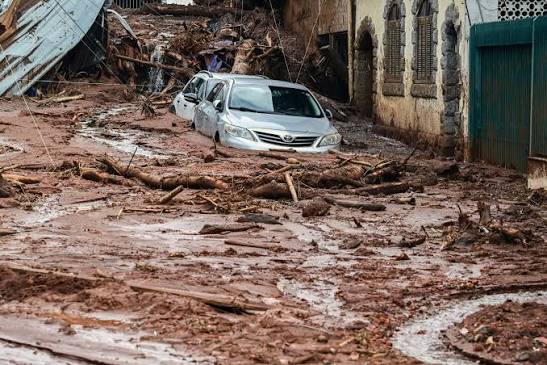
Passo Fundo received 126 mm in six hours, with 335 homes damaged, ten poles down, nine roads blocked and a car falling into a washout. The figure needs a source, cutoff date and unit so later comparisons do not combine different categories.
Ibirubá recorded 104.6 mm and São Luiz Gonzaga 101.6, overwhelming drainage and damaging urban and road infrastructure. Distribution matters because communities, companies and authorities do not carry the same costs, benefits or risk.
Passa Sete had 4,186 residents affected, two homes destroyed and 52 unroofed; Nova Prata reported 15 injuries and about 2,700 damaged homes. The causal mechanism needs independent records; timing or geographic overlap alone cannot establish full responsibility.
Gusts reached 99.3 km/h in Getúlio Vargas and 94.7 in Santo Ângelo, while part of highway RS-463 collapsed. A credible response requires transparency, participation and public controls that verify commitments rather than announcements.
A tornado damaged Chapecó airport in Santa Catarina, breaking glass and moving an aircraft; it is separate from the Rio Grande do Sul tally. Implementation depends on budgets, staff, infrastructure and coordination; without them, rules and promises remain nominal.
The low-pressure system moved toward Santa Catarina and Paraná as instability eased, but housing, utility and road assessments remained open. Future reporting should measure verifiable environmental and social outcomes, disclose failures and adjust policy when indicators stall.