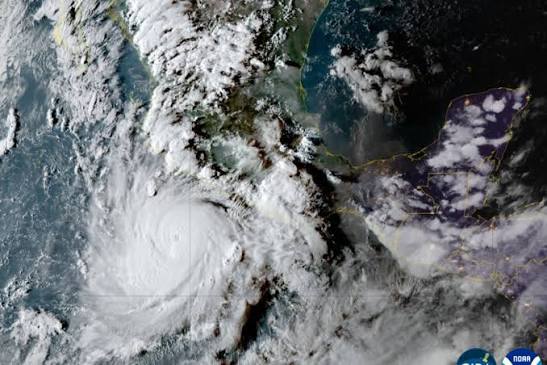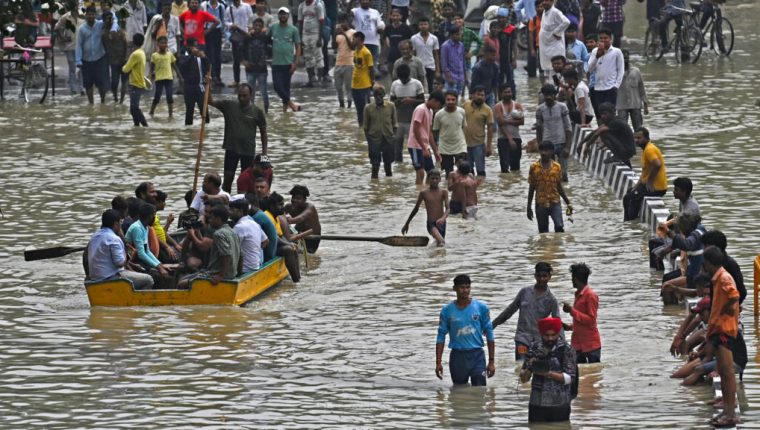
Venezuela's government has asked people to conserve electricity and water ahead of a possible El Niño-related drought before year-end. The warning comes less than two months after twin earthquakes killed more than 6,000 people and damaged cities and infrastructure. For residents already living with unstable services, the call sounded like notice of more severe rationing.
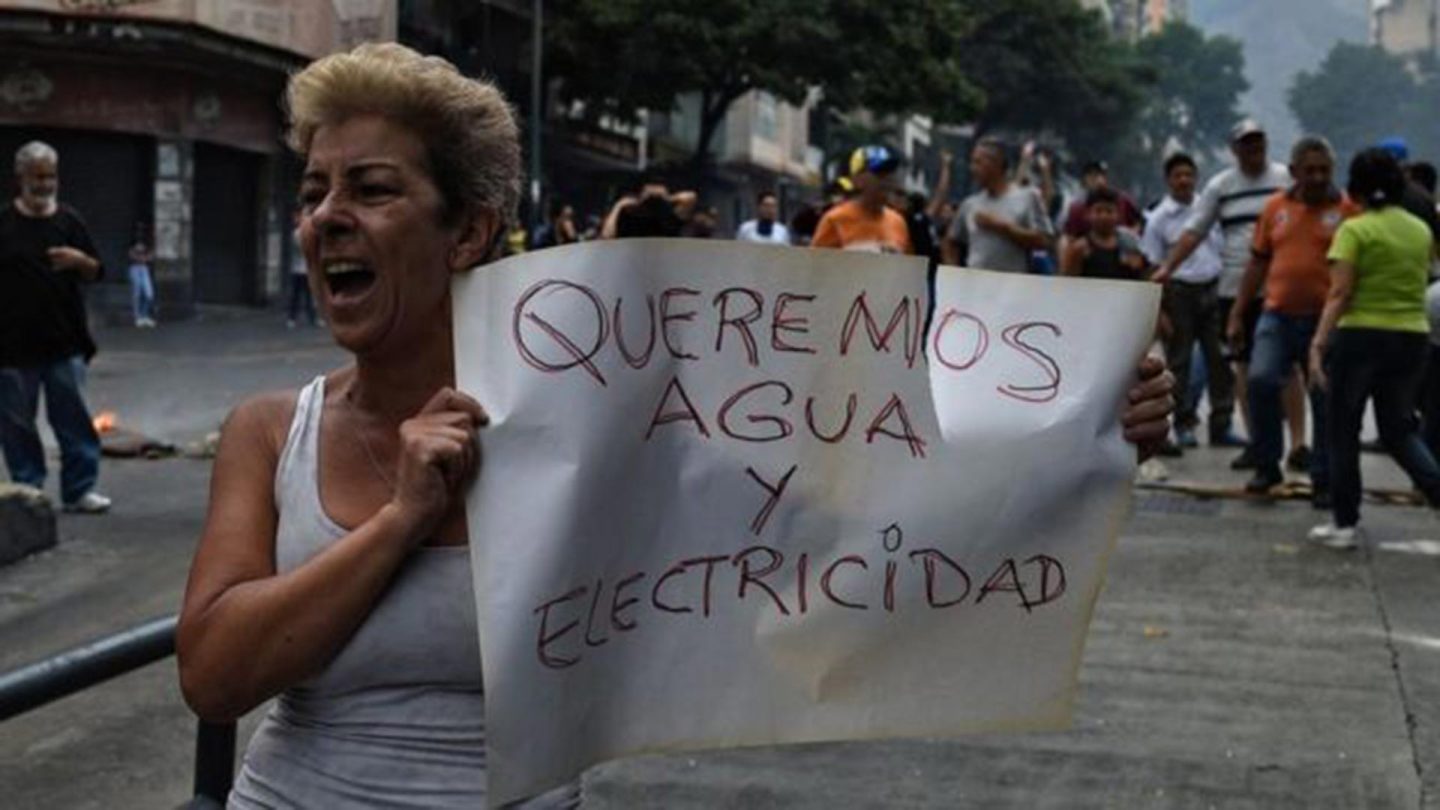
Across several regions, households and businesses endure power cuts of up to ten hours a day, equipment failures that extend blackouts for days and intermittent water supply. The conservation call triggered fresh protests. Residents in Valencia describe outages without warning, disabled elevators and nights without ventilation during intense heat.
The grid has less than 13,000 megawatts available out of 36,000 MW installed and faces a supply-demand gap exceeding 1,500 MW. Nearly 90% of thermal capacity is out of service after years of underinvestment and delayed maintenance. That loss has pushed reliance on hydropower, especially the Guri complex, above 80%.
Interim President Delcy Rodríguez promised to restore up to 4,800 MW before the end of 2026 through contracts with GE Vernova and IMPSA for upgrades and new turbines. The figure is capacity the government intends to recover, not power already available. Unfulfilled past announcements help explain skepticism among users and producers.
Energy experts separate two problems. El Niño and a potential drought could reduce hydropower inflows, increase wildfire risk and affect agriculture, but the public-services crisis predates the phenomenon. The structural deficit comes from unavailable thermal generation and degraded transmission and distribution lines that cannot respond to demand peaks.
Restrictions are already hindering earthquake recovery. Caracas ordered elevators in offices and malls switched off for three hours a day, while some public bodies cut service to three days a week. Hospitals and clinics are reinforcing emergency care with generators; factories, shops and farms expect lower output and revenue if supply tightens.
La Guaira concentrates the vulnerability: displaced families live in tents outside damaged buildings, sometimes without running water and with only a cable for a light and fan. The response must be measured in megawatts actually restored, real hours of service, water flow and support for quake victims. Blaming everything on El Niño would conceal the structural repairs still due.