
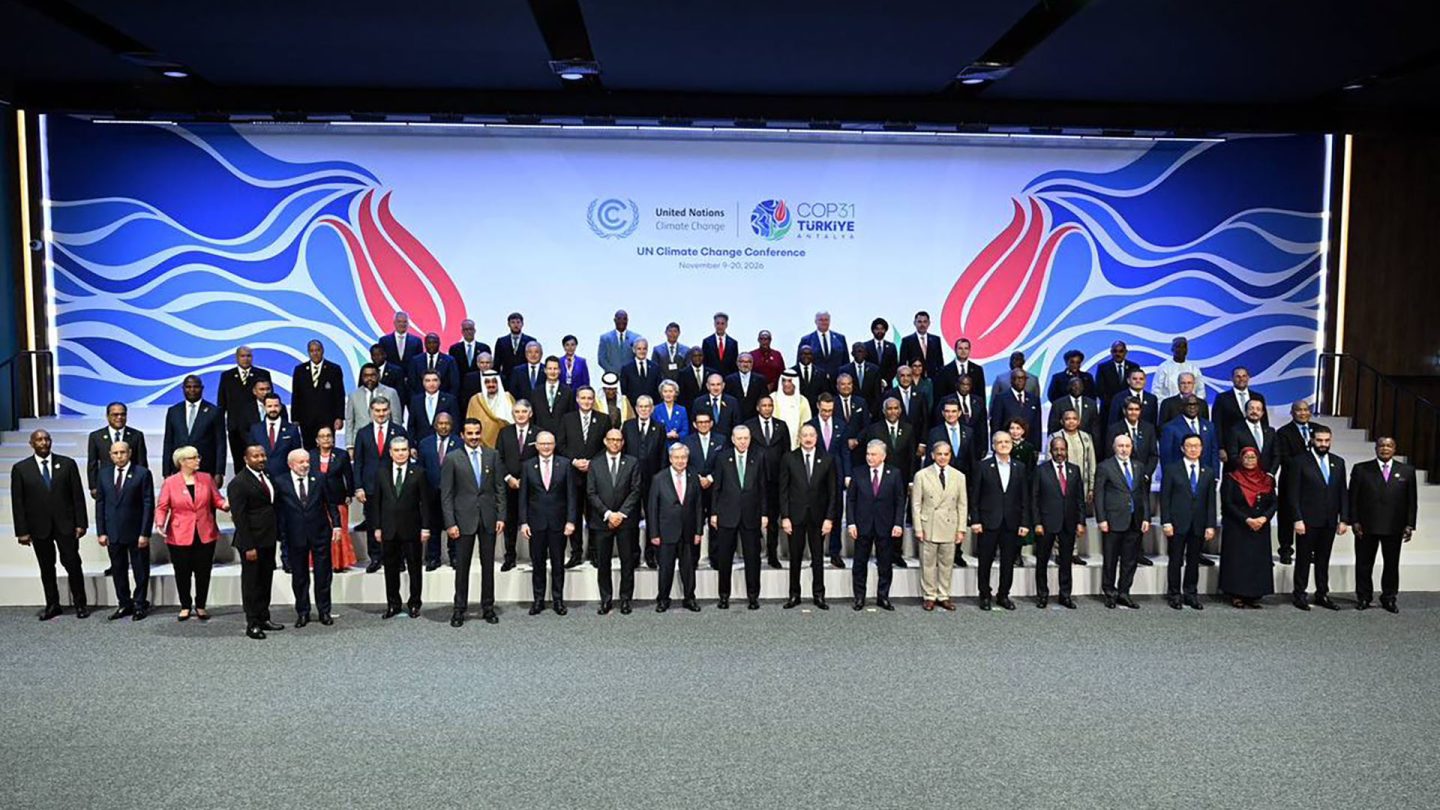
The United States entered COP31 in Antalya without an official federal delegation for a second consecutive year. Nearly 200 countries are meeting from November 9-20 on emissions, adaptation and finance while the US remains the second-largest current emitter.
President Donald Trump's policy includes renewed withdrawal from the Paris Agreement and from the UN climate convention, with the latter due to take effect next year. Absence gives up an official voice in texts and alliances.
More than 100 governors, mayors, lawmakers, businesses and community groups attended independently through networks such as America Is All In and Climate Mayors. They can cooperate but cannot speak diplomatically for Washington.
COP31 quickly adopted its formal agenda, yet finance disputes remain. Work on clean energy, electrification, methane, waste, resilient cities and a voluntary artificial-intelligence pledge is not resolved merely by appearing on the programme.
Opening information put January-September 2026 near 1.47°C above preindustrial levels and greenhouse-gas concentrations at records. Nine months do not alone determine the long-term Paris threshold, but they sharpen the urgency.
States and cities can cut emissions through buildings, transport, power and procurement. Their authority and budgets cannot replace federal standards, diplomacy, multilateral contributions or a national emissions pledge.
The absence will be judged by its effect on collective agreements and by what non-federal actors preserve. The test is verifiable emissions cuts, adaptation and money, not simply who appears in the conference hall.