
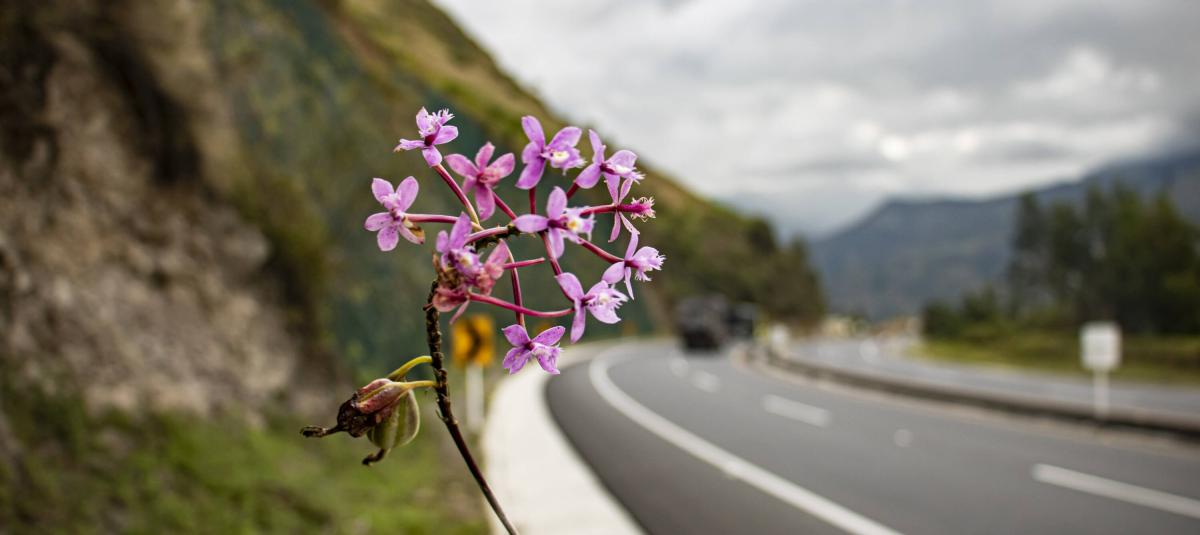
An emergency operation in Kerala rescued 27,324 epiphytic orchids from trees felled or marked for road projects and moved them to Kappad Beach, Sarovaram Bio Park and Malabar Botanical Garden. After 12–24 months, more than 19,500, nearly 71%, remained alive.
Epiphytes use trunks and branches for support, so removing host trees can erase inconspicuous plant populations. Kerala has 271 known orchid species across forests, roadsides and plantations in the biodiversity-rich Western Ghats.
The rescue included 6,126 plants from 12 regional endemic species, with almost 55% surviving. Eleven of those species have not been assessed for the IUCN Red List; lacking a category therefore means missing knowledge, not proven safety.
Moving cool, high-elevation species near sea level was biologically risky. Some nevertheless flowered and formed seed capsules, showing short-term potential without proving that self-sustaining populations will persist for decades.
At Sarovaram, ten tagged species generated more than 126,000 QR-code scans over two years in a park with about 511,000 paying visitors annually. The response demonstrates attention but not automatically learning or changed behaviour.
Co-author Viswambharan Sarasan warns of silent losses from years of road building. Future safeguards need pre-clearance inventories, source records, suitable host trees and microclimates, early care and species-level monitoring of survival and reproduction.
The study's central limit is clear: rescue translocation should be used only when orchid-bearing trees cannot be retained. Redesigning works preserves host, microclimate and ecological links together; rescue reduces an immediate loss but cannot fully recreate them.