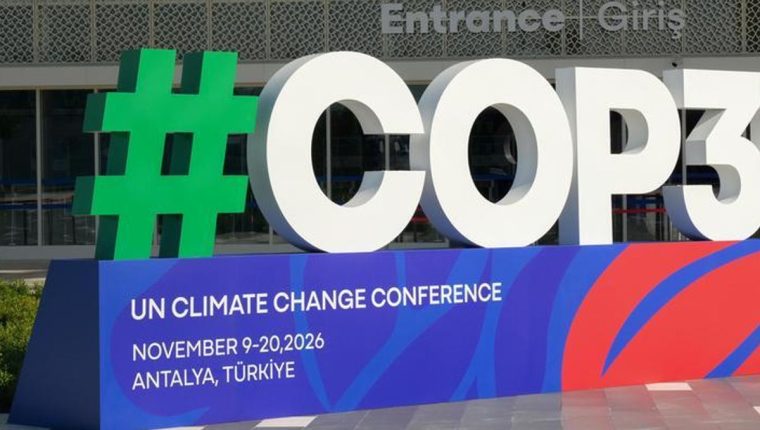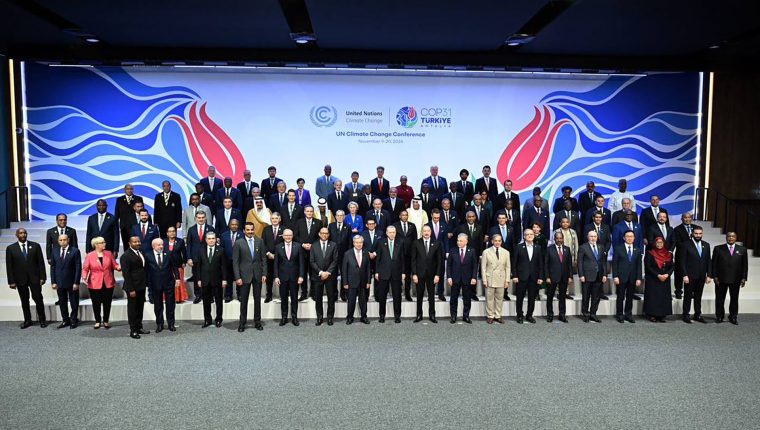

COP31 begins with two linked tests: turn a fossil-fuel transition into national delivery plans and mobilise enough finance for exposed countries. Timelines, infrastructure, budgets and accountable institutions must replace broad declarations.
Outgoing COP30 President André Corrêa do Lago wants finance, infrastructure and transport ministers alongside environment officials because clean energy needs grids, storage, permits, electrification, credit and worker protection.
Climate Analytics estimates cuts to methane and other short-lived pollutants could slow warming about 12% by 2035. Combined with rapid fossil transition, they could halve the 2030s warming pace and limit mid-century peak near 1.7°C, if implemented.
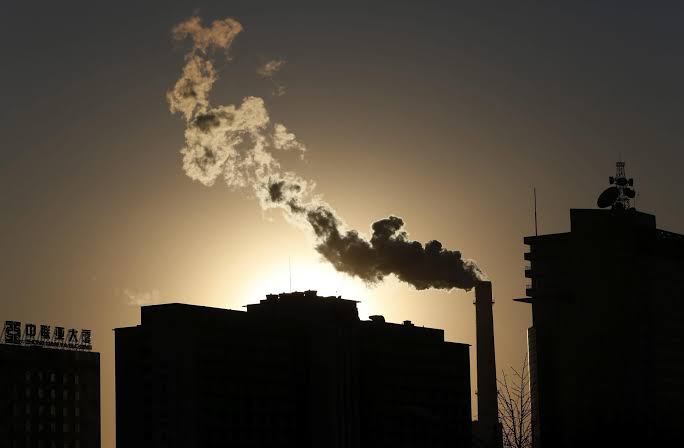
Methane action brings rapid benefits through leak repair, waste management and agriculture, but cannot offset new fossil investment. Carbon dioxide accumulates for centuries, requiring sustained extraction and combustion cuts.
Developed-country adaptation finance reached $28.2 billion in 2024 against an estimated $305 billion annual developing-country need. The gap means missing flood defences, farm support, cooled hospitals and warning systems.
Finance quality matters: debt-raising loans, unused guarantees and undisbursed announcements are not accessible grants. COP31 should separate mitigation, adaptation and loss and damage and prevent double counting.
A credible outcome needs sector fossil targets, methane rules, finance reform and annual tracking of renewables, retirements, grids, labour support and money delivered: who cuts, who pays and when protection arrives.