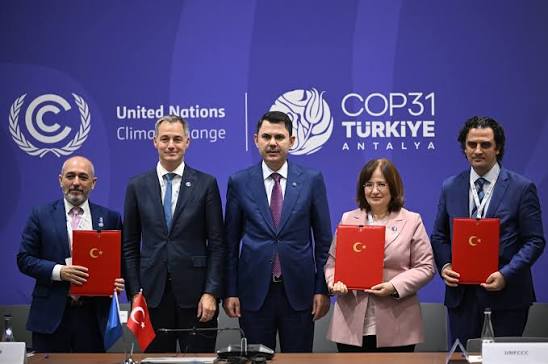

COP31 approached its scheduled close in Antalya, Türkiye, with explicit language on moving away from fossil fuels absent from a draft climate agreement circulated on November 20, 2026. The omission intensified concern among civil society groups as negotiators tried to bridge divisions over the direction of global climate policy.
Activists staged a symbolic campaign featuring posters for a missing cat named Ambition. Behind the humorous image was a substantive demand: governments should set out a credible pathway away from coal, oil and gas while taking account of workers and communities affected by the transition. The draft did retain language on clean energy and electrification. Activists' concern was therefore not the absence of all energy commitments but the removal of explicit wording about moving away from coal, oil and gas.
A draft is not a final treaty or adopted decision. Removing wording from one negotiating version does not by itself prove what states will ultimately accept. It does, however, reveal the political sensitivity around translating broad climate commitments into more operational language.
The disagreement concerns responsibilities, development priorities and the cost of transforming energy systems. Some governments want clear timelines and signals for investment, while others emphasize finance, energy access or differentiated national circumstances. Negotiations must reconcile these competing priorities. The adaptation section reaffirmed a goal to triple financing by 2035 while leaving crucial accounting details unresolved. Australian negotiator Chris Bowen said consultations would continue in pursuit of consensus.
References to the 1.5°C temperature goal remain central to climate advocacy, but meeting it depends on cumulative emissions, technology, policies and implementation rather than on a single phrase in a conference document. Strong language is meaningful only if followed by credible measures.
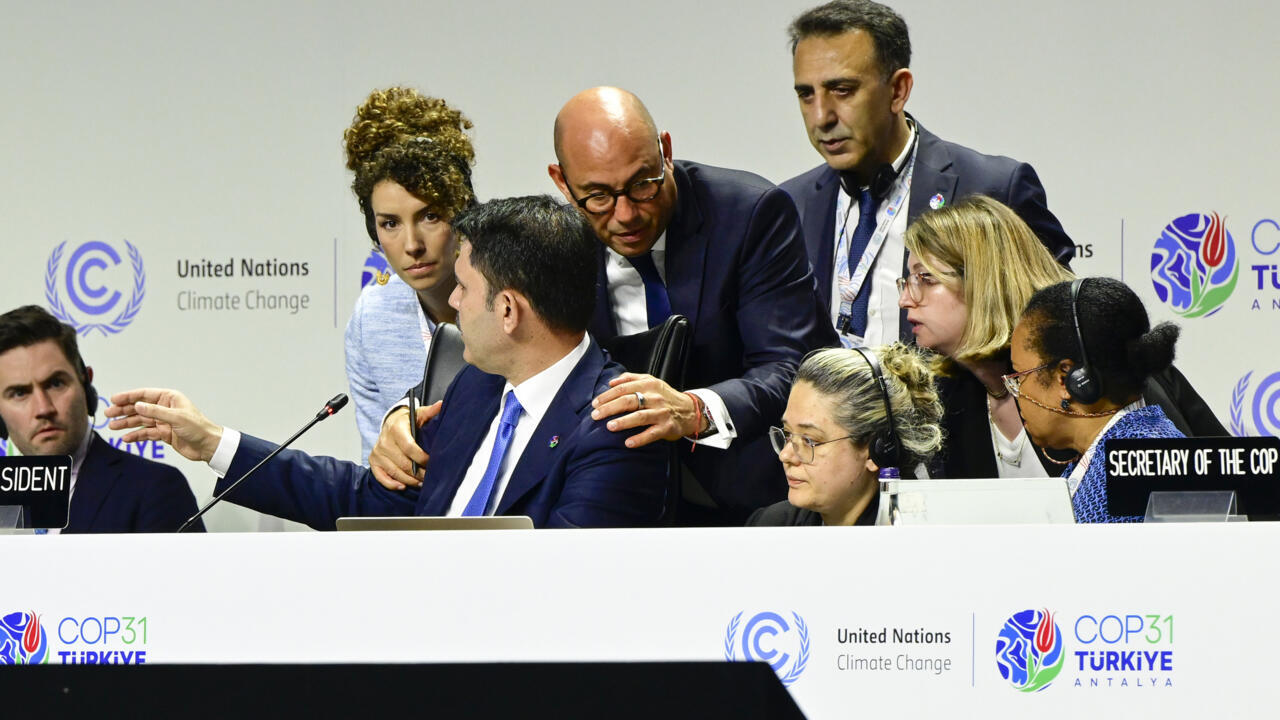
As of the November 20 report, ministers and the conference presidency were still negotiating. No final consensus on the disputed fossil-fuel language had been established in that account, and subsequent developments must be checked against an adopted text rather than inferred from the draft. Debate also acknowledged the risk of exceeding the 1.5°C temperature limit. None of these draft formulations should be reported as an adopted final decision. A proper assessment requires the eventual agreed text, its financing definitions and arrangements for implementation, particularly for vulnerable countries.
The meeting's immediate test was whether delegates could agree on language that supports concrete action and equitable transition. The episode shows the gap that can emerge between international climate rhetoric and the difficult decisions needed to change energy systems.