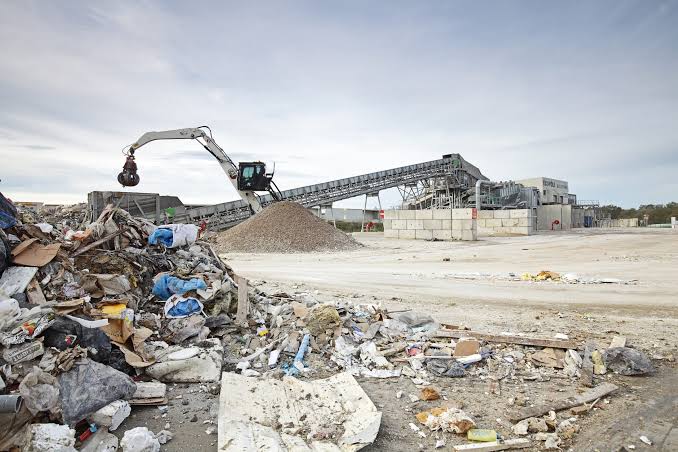
The Basque Country scheduled more than 130 activities for the 2026 European Week for Waste Reduction, running from November 21 to 29. The regional program places emphasis on choices made before material becomes waste, rather than treating recycling as the only environmental response to consumption.
The public environmental agency Ihobe coordinates participation by administrations, schools, organizations and businesses. Workshops, public events and educational sessions are designed to make the value of materials visible in daily life and encourage people to reconsider unnecessary purchases. Prevention starts before rubbish reaches municipal collection: with purchases, food waste and the premature replacement of working goods.
Five centers in the Ekoetxea network are hosting experiences involving repair, reuse, food-waste prevention and creative repurposing. The program includes a circular-fashion event in Urdaibai and family activities about responsible consumption in Meatzaldea, among other local initiatives.
Waste-prevention policy begins upstream of collection and sorting. Keeping appliances working, sharing goods and avoiding discarded food can lower demand for raw materials, transport and processing. Such measures complement recycling but are not interchangeable with it. Activities at the Ekoetxea centres can make those choices tangible, but attendance alone does not prove lasting behaviour change. Reuse can preserve the material and energy already invested in products, although transport and repair also have environmental costs.
An awareness campaign cannot automatically be counted as a measured reduction in waste. Credible assessment requires comparable data on prevented material, sustained changes in habits and outcomes extending beyond attendance at public workshops or online campaigns.
As of November 21, many events had only just begun or remained scheduled for later in the week. The number of listed activities should therefore not be confused with final participation figures, completed actions or verified environmental savings. A credible evaluation would distinguish the number of participants and objects repaired from the amount of waste actually prevented. Euskadi's European campaign may open conversations across schools and households; its long-term value depends on whether institutions continue to support these habits after the scheduled week ends.
The longer-term question is whether households and institutions maintain repair, reuse and prevention practices after the events end. The initiative offers a public platform for circular-economy learning; its actual results will require follow-up and transparent indicators.