

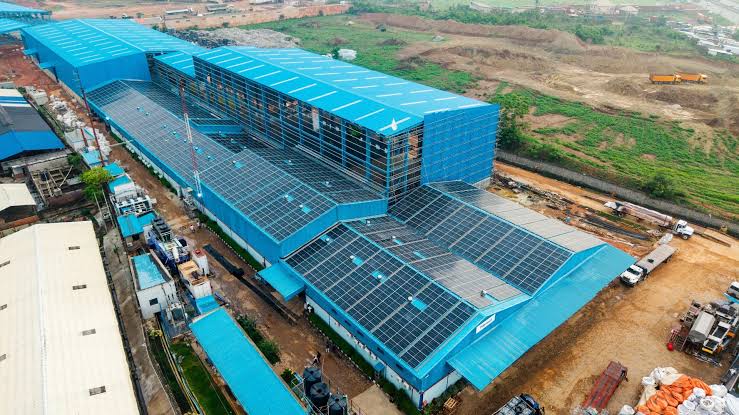
Polysmart commissioned phase one in Mowe, Ogun State, on October 29 and calls it Africa’s largest food-grade rPET plant. This defines the event’s scope and prevents a partial signal from becoming a broader claim than the evidence supports.
The declared $60 million investment targets 100,000 tonnes of post-consumer bottles, about 6.5 billion containers by company estimates. The figure needs a source, cutoff date and unit so later comparisons do not combine different categories.
Full output is projected at 60,000 tonnes of food-grade rPET plus 20,000 tonnes of other recycled plastics using European systems. Distribution matters because communities, companies and authorities do not carry the same costs, benefits or risk.
FDA- and EFSA-approved processes support technical quality, but every batch still needs purity, traceability and food-contact control. The causal mechanism needs independent records; timing or geographic overlap alone cannot establish full responsibility.
The company forecasts 1,000 direct and over 50,000 indirect jobs, depending on demand, collector formalization and labor conditions. A credible response requires transparency, participation and public controls that verify commitments rather than announcements.
Twenty-five aggregation centers operate in eight states, with 250 more planned nationwide within two years; stable feedstock is crucial. Implementation depends on budgets, staff, infrastructure and coordination; without them, rules and promises remain nominal.
Nigeria’s recycled-content rules rise from 25% in 2028 to 50% in 2030; success means verified output, virgin-resin displacement and less leakage. Future reporting should measure verifiable environmental and social outcomes, disclose failures and adjust policy when indicators stall.