
Delhi’s daytime temperature fell sharply on Saturday, September 26, after fresh rain and gusty thunderstorms. India’s weather service issued a yellow alert across northern, central and eastern districts for light rain and lightning, a call to monitor updates rather than a citywide emergency.
The spell came after the Southwest Monsoon officially withdrew on September 23, two days early. It did not mean the monsoon returned: officials linked it to a depression over northeast Madhya Pradesh and north Chhattisgarh interacting with a mid-level western disturbance.
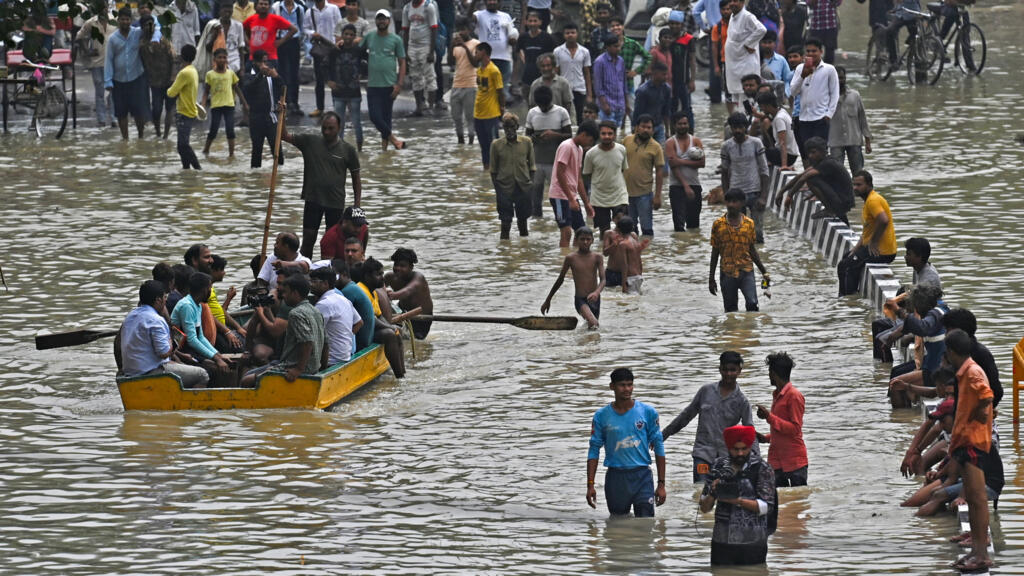
Safdarjung ended the season with 728.6 mm since June 1, against a long-term 629.7 mm average, 16% above normal. This station total does not mean rainfall was uniform across every neighborhood or that local flooding risk vanished.
Air quality remained satisfactory. The 24-hour AQI was 72 at 4 p.m., versus 78 Friday. On India’s scale, 51–100 is satisfactory, but a citywide daily figure cannot guarantee equal exposure everywhere.
Rain can wash particles out temporarily and wind improves dispersion. The benefit may reverse in dry, stagnant conditions or when traffic, construction, industry and regional burning emissions rise. Weather relief does not remove structural pollution sources.
Forecasts called for cloudy skies Sunday and drier, clearer weather the following week. October northwesterly winds can bring cooler air but may also transport pollution. Conditions and alerts therefore need frequent updates.
The correct reading combines a short lightning-and-rain alert, an above-average monsoon total and one satisfactory AQI snapshot. Delhi still needs drainage, timely warnings and sustained emissions cuts so temporary relief is not mistaken for a lasting solution.