
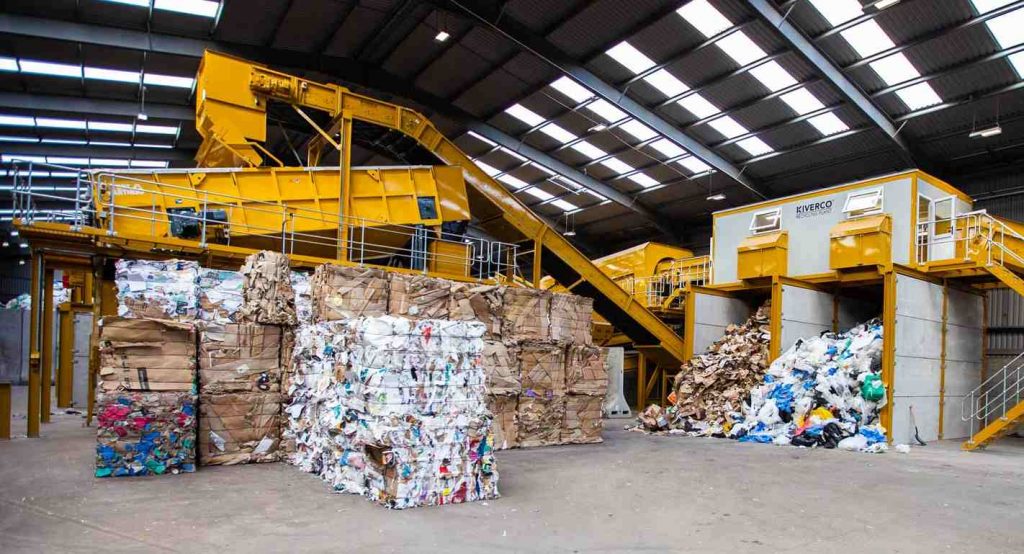
Recycling is expected to pay for itself in a way ordinary trash is not. Material sales must cover collection, sorting, cleaning, transport and reprocessing despite volatile markets; metals can be profitable, paper modest and plastics especially unstable, so recycling resembles public infrastructure.
The clearest effect is in design. Producers are reviewing multilayer films, adhesives, pigments and combinations that protect food but hinder separation, while considering mono-material structures, clear PET and high-density polyethylene with established recycling streams. Substitution is not automatic: safety, barrier performance, transport and shelf life must be preserved to avoid increasing food waste.
Seven US states have adopted packaging EPR laws. Producers fund organisations that pay for collection and processing, with higher fees for hard-to-recycle formats and discounts for lower-impact design; Washington targets at least 90% reimbursement of eligible system costs from 2030.
Legal responsibility is mobilising investment in collection, sorting, washing, recycling and quality control. Brands are forming partnerships and long-term contracts to secure post-consumer resin because a recycled-content target is meaningless without enough material of reliable purity and traceability. Waste policy is therefore moving into procurement, engineering and risk management.
Municipal exposure changes with commodity prices. A cited study estimated an effective annual household cost of $3 in 2011, but $34 to $42 from 2018 to 2020; that does not predict EPR's full cost, yet shows why sales revenue is unreliable.
Consumers have limited packaging choice and face confusing labels, especially resin symbols on locally unrecyclable plastics. Upstream fees may improve design and access, but companies can pass costs through prices, making transparent targets and verified end markets essential.
The test will be material outcomes, not corporate plans. Common science-based criteria, audits, public resin-level data, reuse targets, scrutiny of environmental claims and fees reflecting real costs are needed. Done well, EPR can turn an obligation into circular infrastructure; done poorly, it may become a charge passed to consumers without reducing packaging or pollution.