Peru's Environment Ministry began commissioning a solid-waste recovery plant in Yanahuara, Arequipa, after physical works finished on October 29. The S/5.08-million project is designed for 27,081 residents, but it is currently testing rather than proving commercial operation.
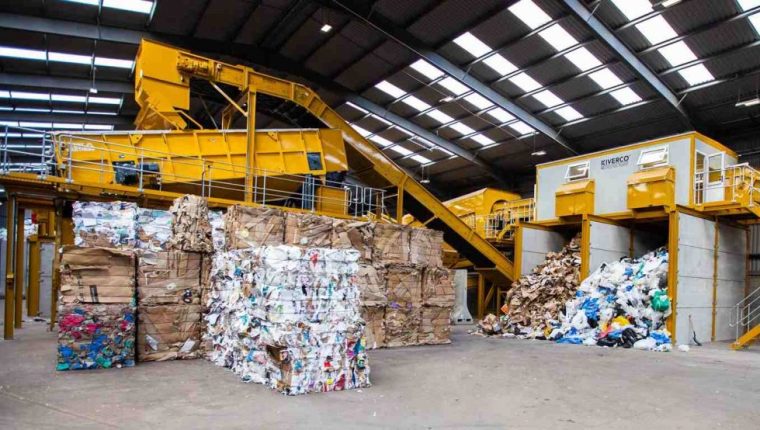
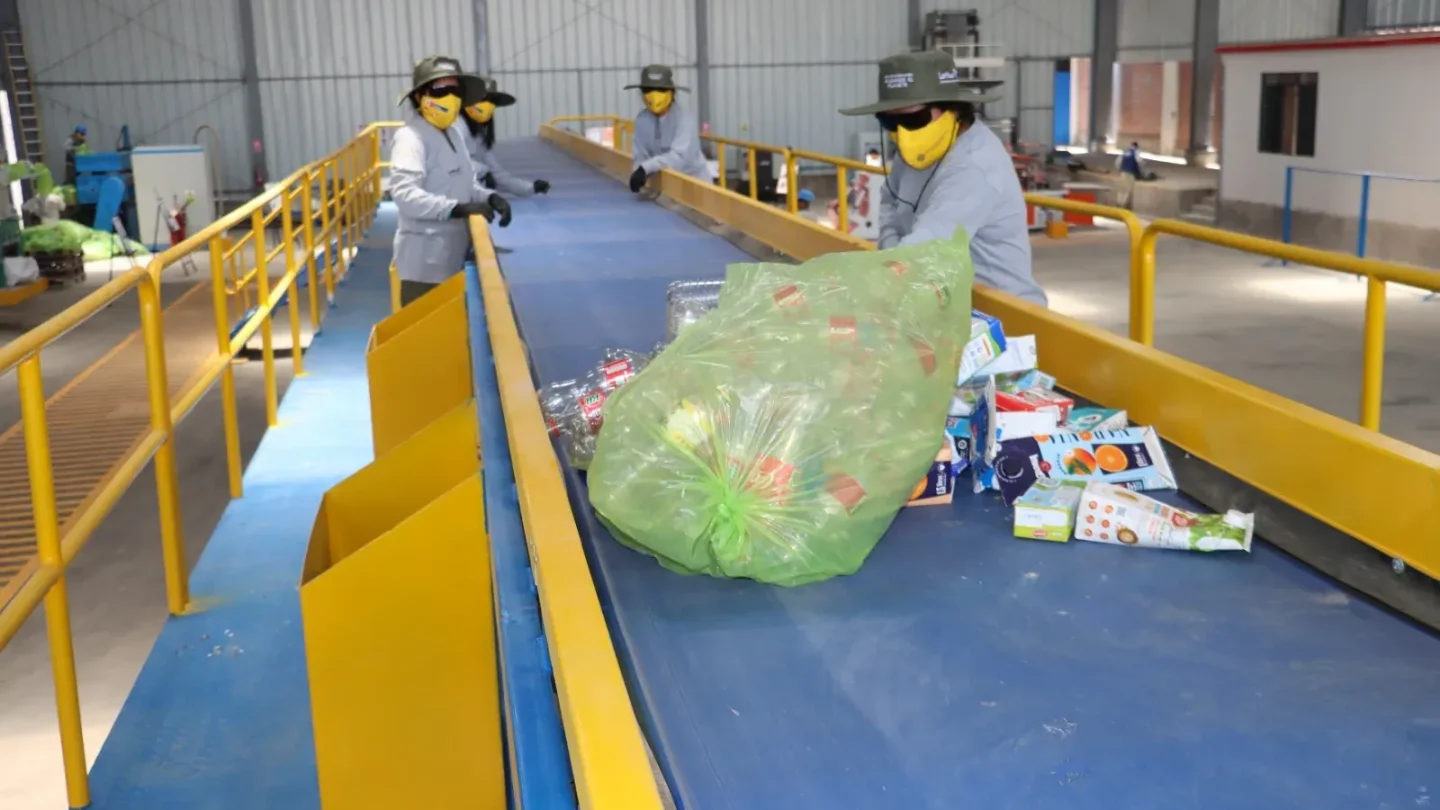
The 1,950-square-metre covered facility has nine industrial machines, including scales, conveyor, mill, crusher, press, pelletizer, extruder and sealer. It is designed for several polyethylene grades and polypropylene.
Offices, lockers, showers, maintenance space, protective equipment and four cameras may improve working conditions and control. Their value depends on operating rules, training and preventive maintenance.
After testing, executing unit GICA plans to transfer the plant to Sergio Bolliger's Yanahuara municipality. Transfer must define assets, warranties, spares, power, staffing, insurance and failure responsibility.
The municipality expects revenue and recycler participation, but the report gives no daily tonnage, guaranteed feedstock, rejection rate, buyers, prices, jobs or utility and transport costs.
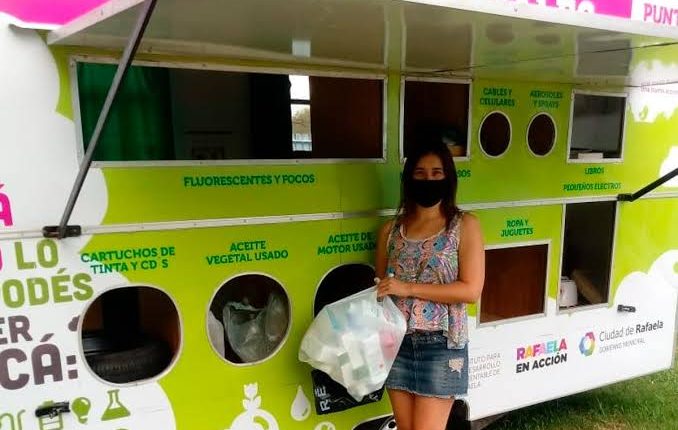
Circularity also requires source separation, differentiated routes, clean material, transparent contracts and fair pay. Recycling must not displace reduction and reuse, and products need quality, markets and traceability.
Commissioning should publish nominal and actual capacity, energy per tonne, downtime, accidents, recycler participation, sales and reject destinations. Safe, continuous and viable operation—not merely switched-on machines—is success.