
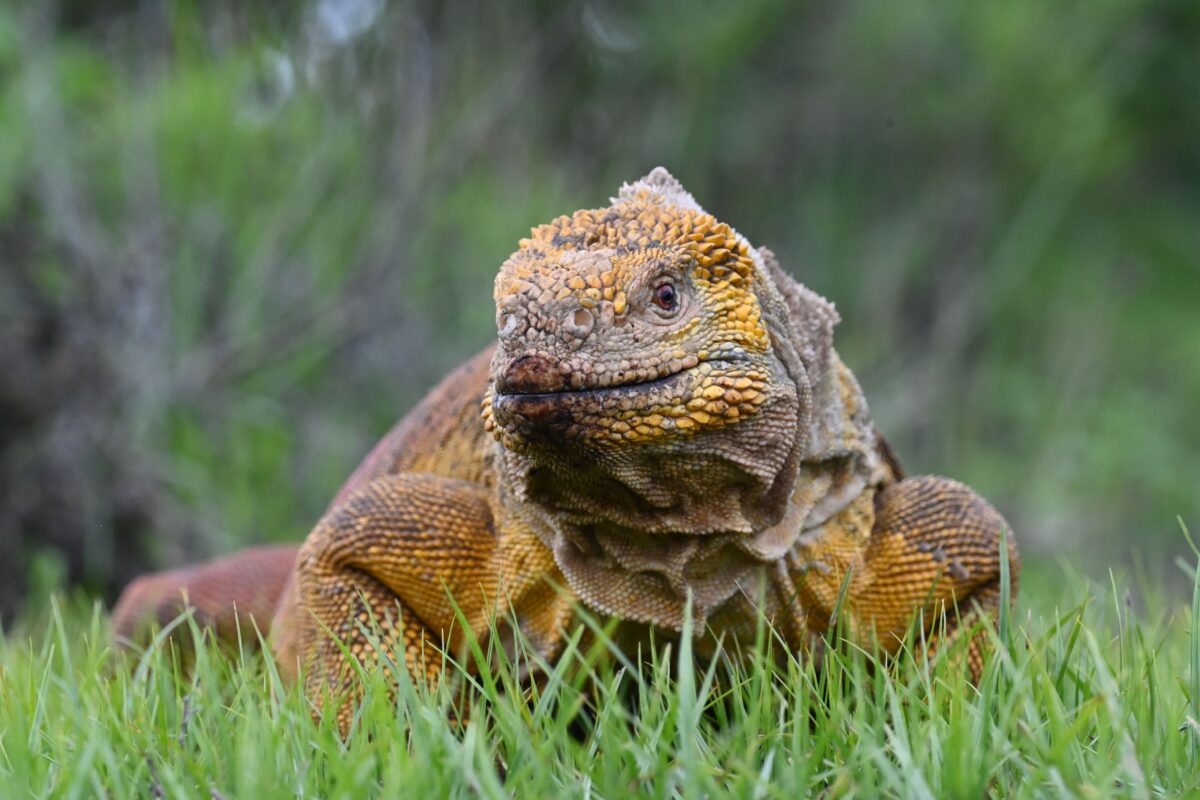
A Science letter urges airport audits and dismantling networks that remove endemic marine iguanas, the world’s only ocean-swimming lizards that feed on algae. This defines the event’s scope and prevents a partial signal from becoming a broader claim than the evidence supports.
In August a Russian passenger was caught in Quito with 32 dehydrated animals bound for Iceland; 24 survivors were later returned to the islands. The figure needs a source, cutoff date and unit so later comparisons do not combine different categories.
Three Thai nationals carried 12 juveniles toward Asian markets in May, while four unexplained appearances in Guayaquil suggested domestic collection routes. Distribution matters because communities, companies and authorities do not carry the same costs, benefits or risk.
Ecuador bans removal and CITES listed the species in Appendix I in 2025, yet foreign permits can label descendants as captive-bred. The causal mechanism needs independent records; timing or geographic overlap alone cannot establish full responsibility.
Researchers say traffickers recruit fishers harmed by poverty, falling catches and criminal violence, making alternative livelihoods part of enforcement. A credible response requires transparency, participation and public controls that verify commitments rather than announcements.
Nearly 50 seizures may mean more trafficking, better detection or both; confiscations are an unknown fraction and not a population estimate. Implementation depends on budgets, staff, infrastructure and coordination; without them, rules and promises remain nominal.
Ecuador should trace animals, audit personnel and scanners, share intelligence and press CITES to extend founder-stock illegality to commercial offspring. Future reporting should measure verifiable environmental and social outcomes, disclose failures and adjust policy when indicators stall.