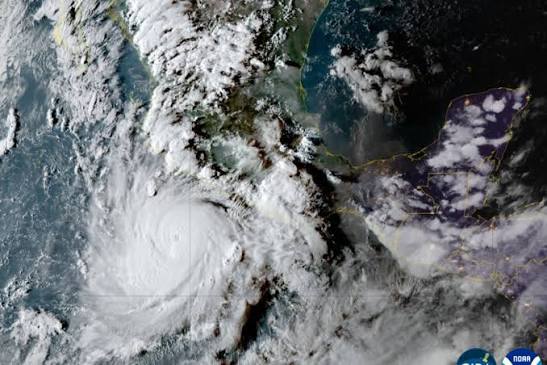
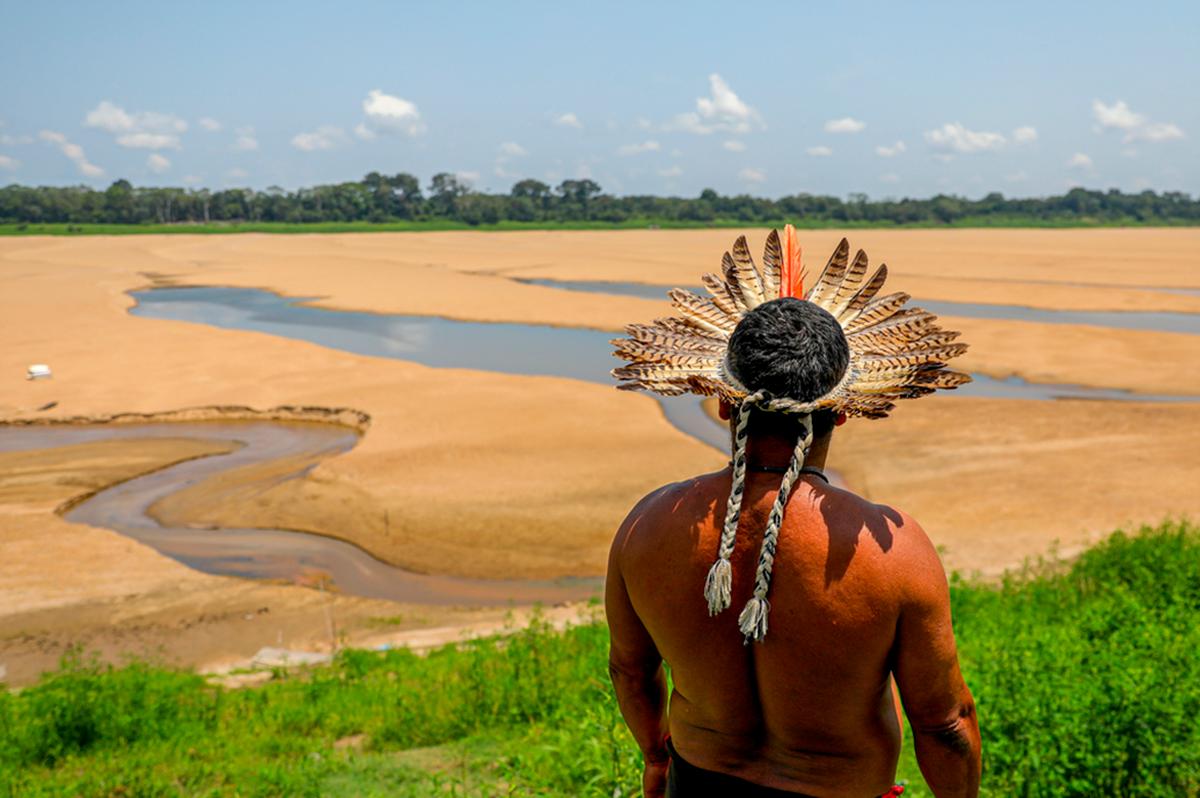
El Niño could reach maximum intensity between October and December 2026, precisely at the end of the Amazon dry season. That overlap is especially dangerous: rivers are usually near their lowest levels and the understory contains material ready to burn. The forecast calls for preparation but does not predetermine the scale of drought or fire.
Brazil's meteorological agency expects the strong event to delay the rains, raise temperatures, lower river flows and worsen fire danger. The Amazon stores biodiversity and carbon, while evapotranspiration feeds “flying rivers” that carry moisture toward South American farming areas. A prolonged disruption can therefore spread far beyond the forest.
The climate risk arrives while the ecosystem is still recovering from the 2023–2024 El Niño. Major rivers then reached record lows, fires surged and dolphins and fish died in large numbers. Heating caused by fossil fuels and deforestation also raises the baseline temperature on which the Pacific's natural variability operates.
About one-third of the Amazon is degraded by agriculture, mining and climate disruption, according to the cited analysis. Fragmented edges and damaged forests retain less moisture and burn more readily. Repeated fires can kill trees, release carbon and facilitate later fires, creating a cycle that raises concern about hard-to-reverse ecological transitions.
Brazil has strengthened satellite surveillance, enforcement and firefighting capacity. In 2025, the Amazon's burned area fell to its lowest level since records began in 1985, a meaningful improvement. One favourable year, however, cannot restore damaged soils, trees and communities; the new season tests whether resources can reach remote areas.
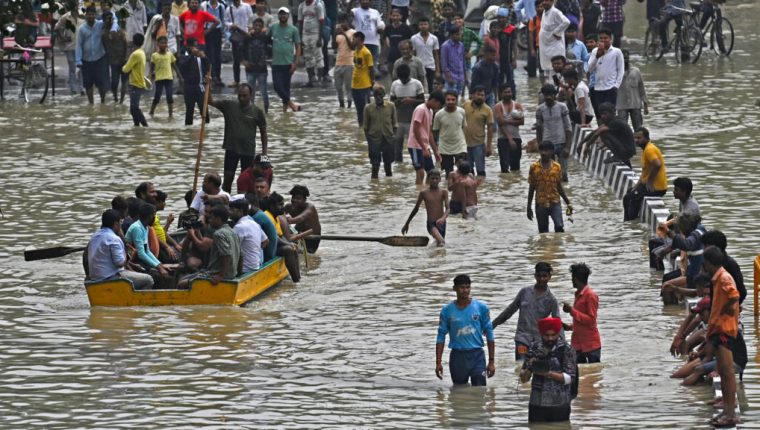
Indigenous Peoples are organizing their own brigades while river communities and producers review food, transport and water plans. Low rivers can isolate settlements and interrupt access to health care. The signal is not uniform: northern Amazonia faces greater drought risk, while southern Brazil can receive above-normal rainfall.
Experts recommend maintaining readiness at least through March 2027 because Pacific warming affects continents with a delay. Immediate action covers brigades, food, health, navigation and effective fire controls; structural action requires stopping deforestation and emissions. The outcome should be measured through river flow, moisture, fires, wildlife deaths and actual community protection.