
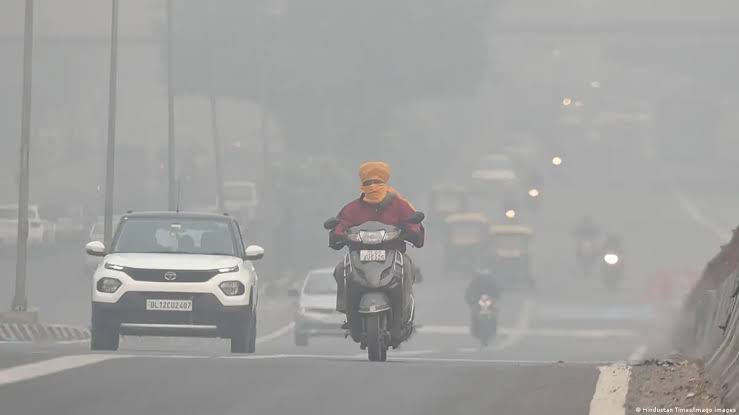
Delhi's citywide AQI reached 389 at 8 a.m. on November 6, according to the Central Pollution Control Board. That is very poor and close to severe, but it remains a dated hourly reading that can move with winds, emissions and atmospheric mixing.
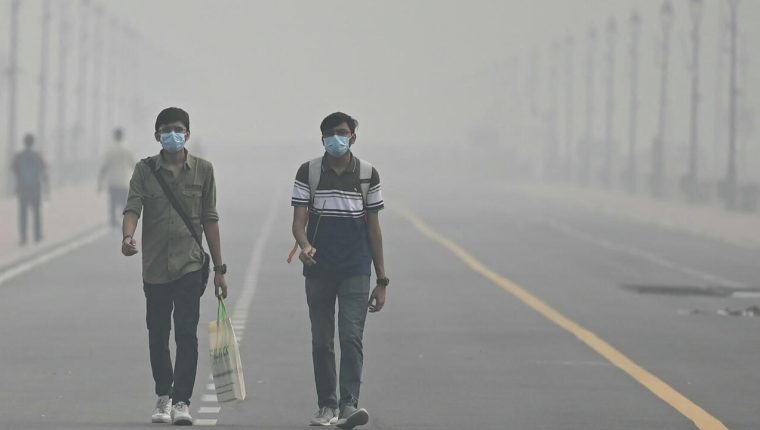
The average concealed sharp local differences: IIT Delhi and Rohini recorded 474, Punjabi Bagh 465, RK Puram 443, ITO 422, Firoz Shah Road 420 and India Gate 403. Anand Vihar was 359 and the airport's Terminal 3 was 385.
India classifies 301–400 as very poor and 401–500 as severe. Prolonged exposure can aggravate respiratory and cardiovascular illness, with children, older people and those with existing disease at greater risk; an AQI indicates hazard rather than diagnosing illness.
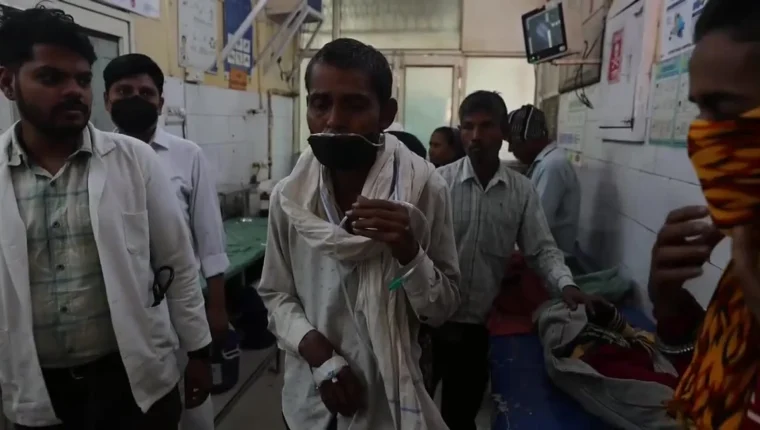
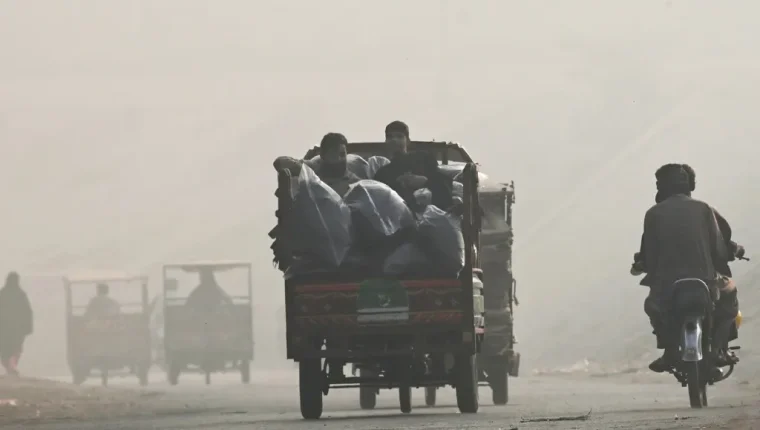
Residents reported breathlessness, burning eyes and anxiety even during light morning traffic. Those accounts fit smog exposure but are not clinical surveillance, making reduced outdoor exertion, filtered spaces and clear advice for vulnerable people essential.
GRAP Stage II brought water-sprinkling trucks to India Gate. Wetting dust can limit local resuspension but cannot remove fine particles already aloft or replace controls on traffic, industry, construction, household combustion and agricultural burning.
Delhi's environment minister blamed Punjab stubble burning, citing disputed political figures. Regional smoke can travel, but a daily contribution requires transport and source-apportionment modelling; one culprit cannot erase metropolitan sources and weather.
The minimum temperature was 17.8°C, with shallow fog forecast. Weak winds and a low mixing layer can trap pollution, so durable improvement requires cleaner transport, enforceable controls, farming alternatives, comparable monitors and station-level health alerts.