
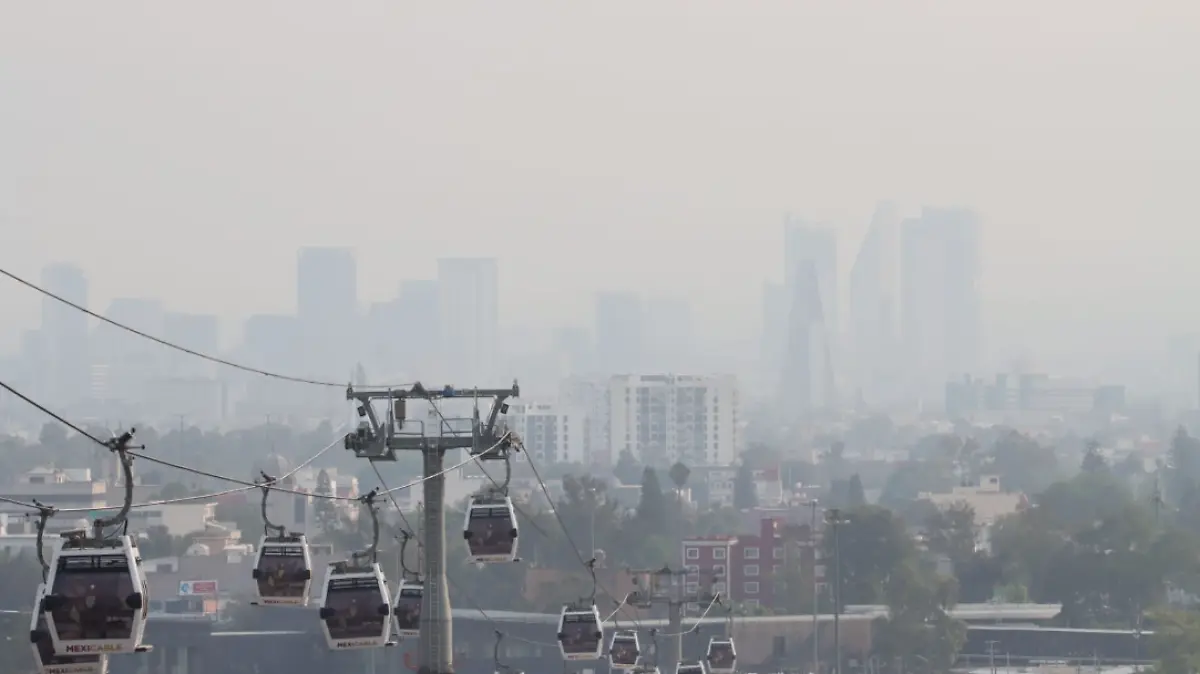
The Mexico City Metropolitan Area recorded poor air quality and a high health risk in the 3 p.m. update on 23 August. Mexico City's Atmospheric Monitoring Directorate issued the result through the Air and Health Index. The category calls for caution with outdoor activity, especially for children, older people, pregnant people and anyone with respiratory or cardiovascular disease.
The network showed localized rather than uniform deterioration. In the capital, the SAC station in Iztapalapa rated poor; HGM in Cuauhtémoc was good, and most other stations reported acceptable conditions. In the State of Mexico, NEZ in Nezahualcóyotl was poor and LPR, the Tlalnepantla annex, was good. Three capital stations and two in Edomex had no data or were under maintenance.
A poor rating means a substantial rise in the probability of respiratory symptoms among sensitive groups. It can also aggravate lung and heart disease, reduce exercise tolerance and increase the risk of serious effects for people with existing conditions. Sensitive residents should limit prolonged vigorous outdoor exertion and follow medical advice; severe symptoms require health care.
The same report put the ultraviolet index at level 4, meaning protection was needed. This measure is separate from air pollution: a particle-laden sky does not eliminate solar harm. Authorities recommended a hat, UV-filtering glasses and sunscreen with SPF 30 or higher for sensitive skin, as well as shade during prolonged exposure.
The result should be read as an hourly snapshot. Wind, rain, sunlight, traffic and emissions can change concentrations quickly and produce sharp differences between neighbourhoods. The cited bulletin does not identify the pollutant that drove the overall category and does not by itself declare an environmental contingency; that requires official concentrations and thresholds for each pollutant.
The episode sits within a structural problem. Fine PM2.5 particles can come from transport, industry, dust and burning, penetrate deep into the lungs and reach the bloodstream. Their chronic importance, however, does not prove they caused this hourly rating. Basin topography and atmospheric conditions can impede dispersion, so emission cuts must be combined with forecasting and metropolitan management.
A useful response includes checking hourly updates before exercise, protecting sensitive groups and keeping every station operational. Public performance should be assessed through disclosure of the dominant pollutant, concentrations, coverage and downtime, together with a clear explanation of when contingencies or double driving restrictions begin. An understandable index protects best when linked to open data, emission measures and neighbourhood-specific advice.