
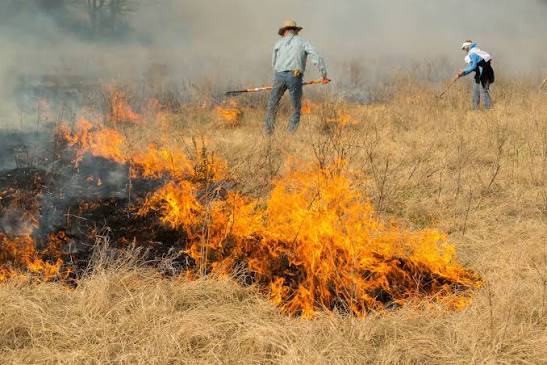
Colombia has temporarily suspended controlled open burning in rural areas nationwide to reduce the probability of new wildfires. The Environment and Sustainable Development Ministry formalized the decision in Resolution 1070 of 21 August 2026. The restriction responds to high temperatures, scarce rainfall and dry vegetation associated with El Niño.
The suspension covers authorized uses of fire to prepare agricultural soil, clear land for mining, manage stubble or crop residues and control frost effects. It is not limited to illegal deliberate fires: it temporarily withdraws general permission from practices that can escape control even when planned, given wind, heat and low humidity. It also reduces smoke and particulate matter in rural areas and nearby cities.
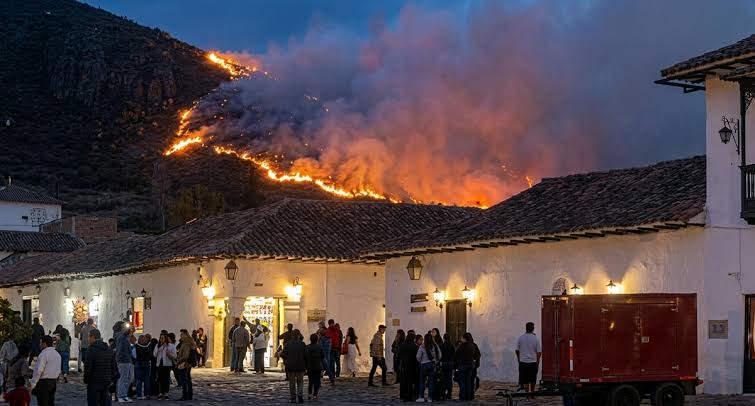
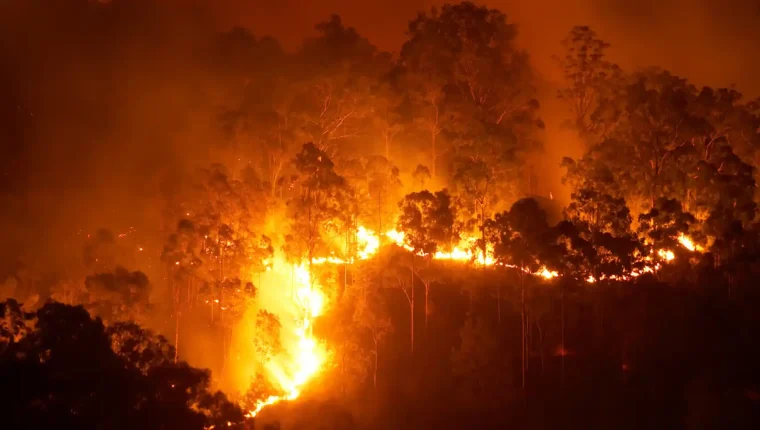
The scale of risk underpins the measure. By 15 August, 539 municipalities had some level of vegetation-fire alert: 235 red, 177 orange and 127 yellow. The National Unit for Disaster Risk Management had recorded 600 fires in 226 municipalities across 21 departments, affecting about 14,872 hectares.
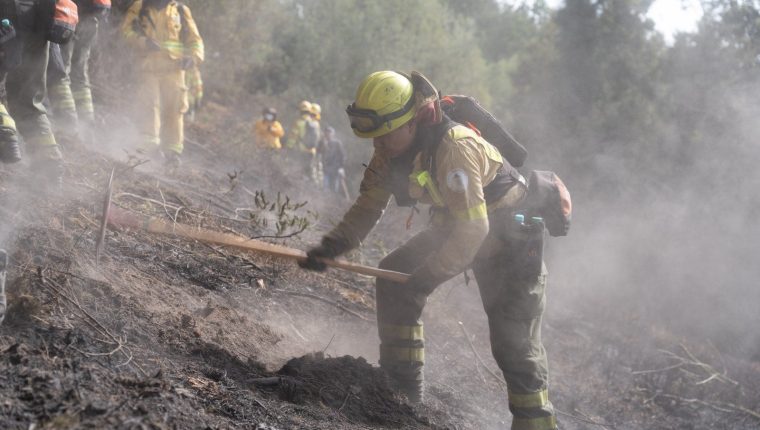
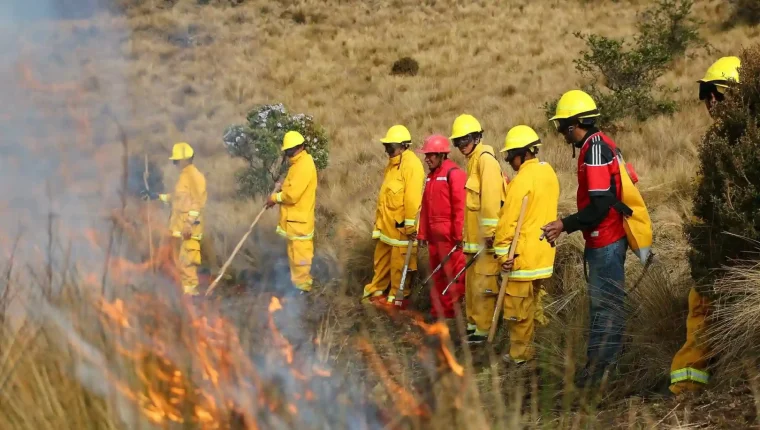
The emergency remained active when the resolution was announced. The 22 August update listed thirteen active fires and ten under control; eleven active events were in Tolima and the others in Cundinamarca and Norte de Santander. These are operational snapshots that can change during the day, but they show why an additional ignition source is especially dangerous when response teams are already deployed.
The ban is neither absolute nor permanent. Environmental authorities may authorize burning in specific territories when there is a technical justification and proof that it will not increase risk. The suspension will end automatically when IDEAM officially reports that the El Niño conditions behind it have ceased. Until then, violations can lead to administrative cases, fines, police measures and even criminal action for environmental offences.
Implementation requires alternatives for producers and communities. Shredding or incorporating residues, composting, mechanical weed control and adapted calendars can replace some burning, but they need machinery, labour, advice and finance. Without support, a national prohibition can drive the practice underground or impose disproportionate costs on small farmers who rely on low-cost techniques.
Results should be measured through ignitions prevented, area burned, air quality, compliance with exceptions and actual access to productive alternatives. Exceptional permits, daily risk maps and penalties should be public, with environmental corporations, municipalities, firefighters and communities coordinated. The suspension removes a preventable cause during the crisis; monitoring, restoration and preparation for a prolonged El Niño will determine its effectiveness.