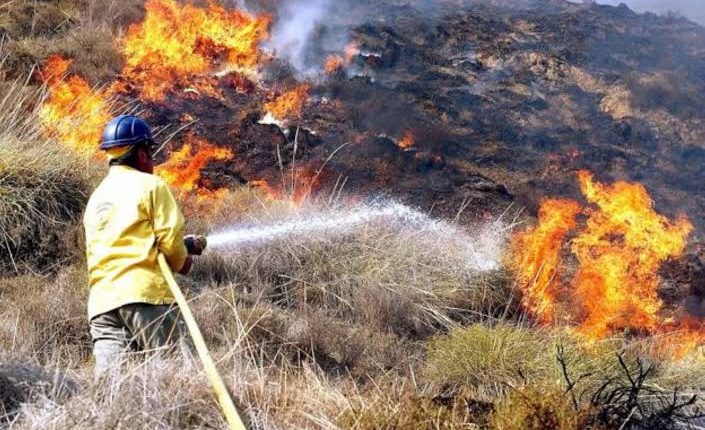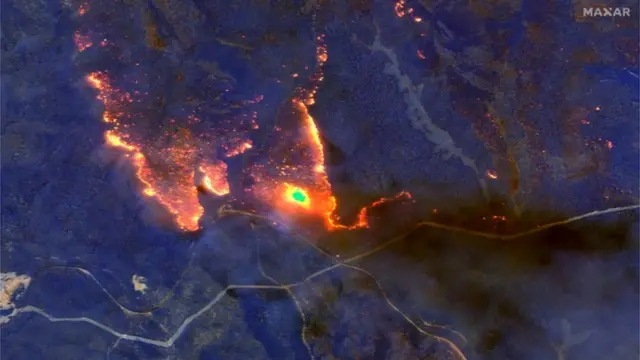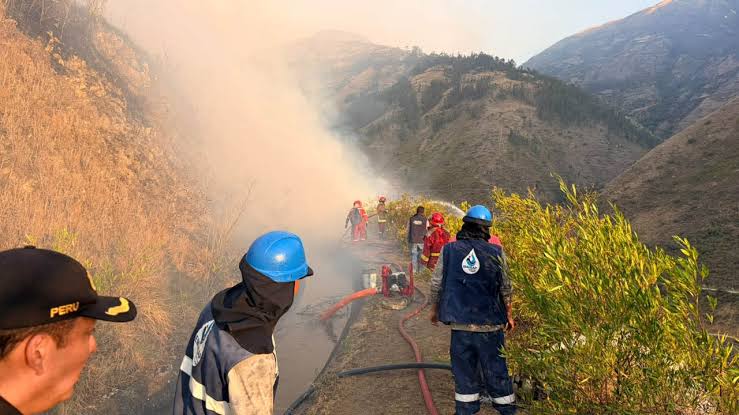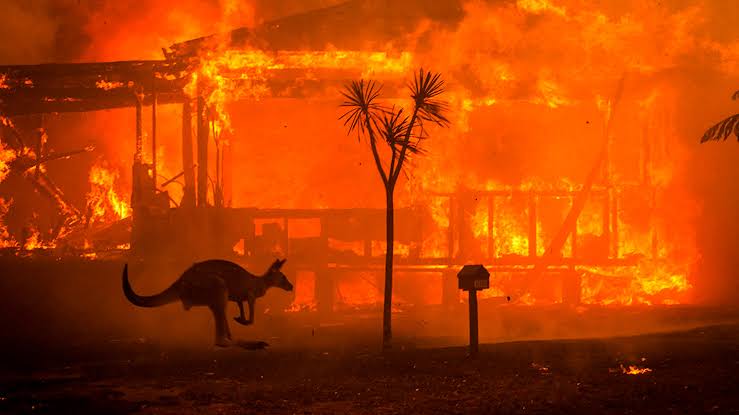

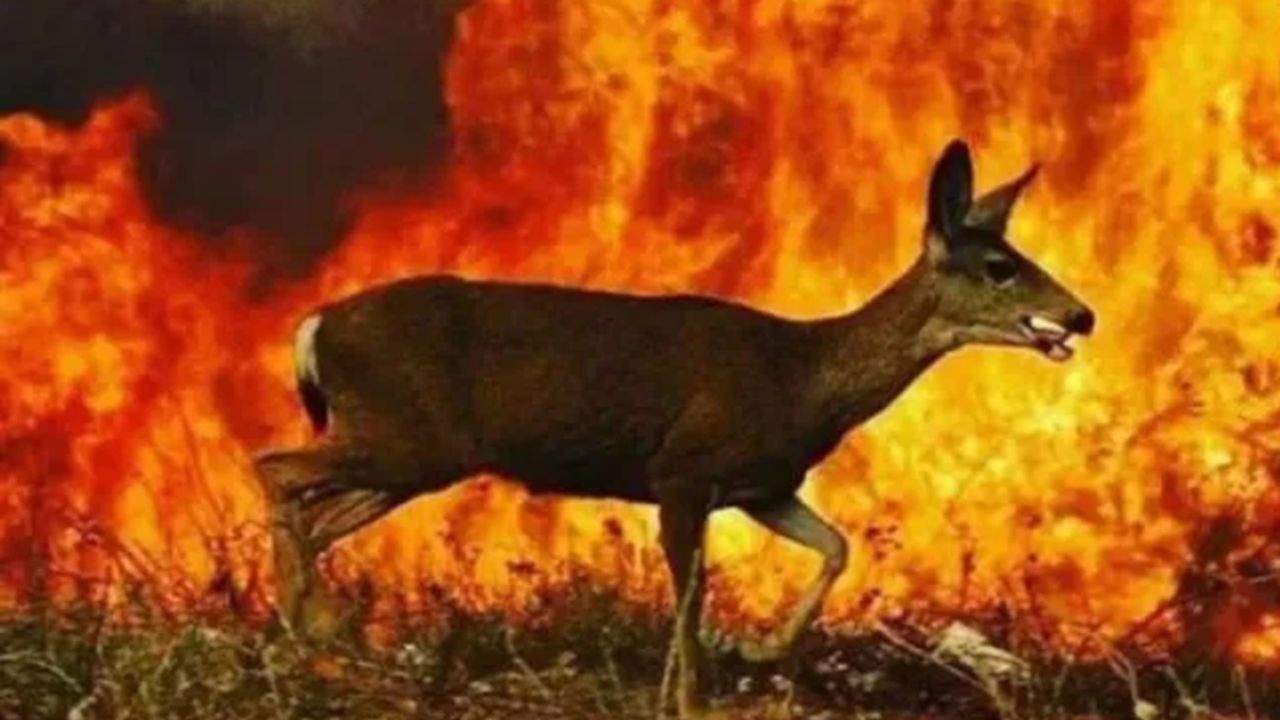
An Argentine scientific study estimated that more than 640,000 vertebrate animals died during the 2022 wildfires in the Iberá wetlands of Corrientes province. CONICET publicized the research in November 2026, emphasizing both the scale of the ecological damage and its possible implications for ecosystem recovery.
The figure is a research estimate produced using scientific methods, not a count of each dead animal recovered in the field. It refers to the fires of 2022, rather than deaths caused by a new wildfire in November 2026. Those distinctions are essential for interpreting the findings accurately. The study examines a specific historical event: fires in Iberá in 2022, not any outbreaks occurring in November 2026. That distinction prevents a retrospective mortality estimate from being mistaken for a current emergency report.
The Iberá wetlands support mammals, reptiles, amphibians and birds in a mosaic of marshes, grasslands and other habitats. Fire can affect them directly through heat and smoke and indirectly through the loss of food, shelter and breeding areas, with consequences that vary among species.
Losses are not necessarily uniform across the landscape. The intensity and duration of fire, mobility of each animal, availability of refuges and changes in vegetation influence survival and recolonization. Scientific assessments therefore require assumptions that must be made visible alongside numerical estimates. Scientists used methods designed to approximate wildlife losses that cannot be counted animal by animal across vast wetlands and grasslands. Burned area alone does not describe ecological damage: species differ in their ability to escape, find shelter and recover.
The death toll also raises questions about ecological functions. Animals participate in pollination, seed dispersal, predation and nutrient cycling; their disappearance can alter how ecosystems recover. Yet a mortality estimate alone cannot predict exactly how every population will evolve in subsequent years.
The study provides a basis for examining conservation priorities but does not demonstrate that the entire wetland system suffered irreversible damage. Recovery depends on habitat conditions, repeated disturbances, species biology and sustained monitoring, particularly where populations were already vulnerable. Population declines may affect food webs long after vegetation returns. Restoration therefore needs follow-up surveys of animals as well as vegetation and prevention efforts informed by the study's uncertainties.
Follow-up work can compare post-fire populations, identify critical refuges and strengthen prevention strategies. The central lesson is that wildfire losses must be evaluated not just in burned hectares but also in living organisms and the ecological relationships they sustain.