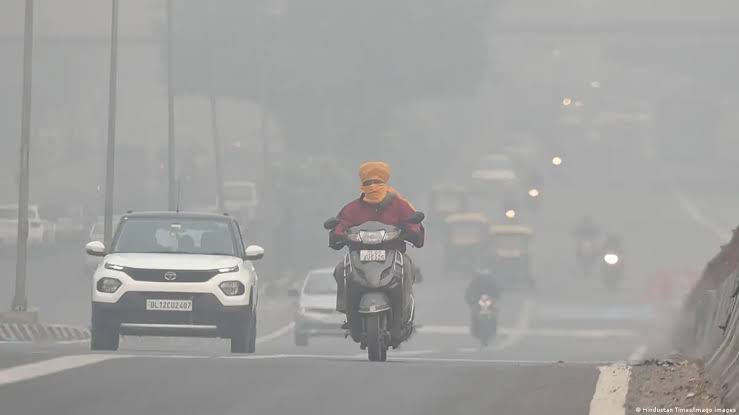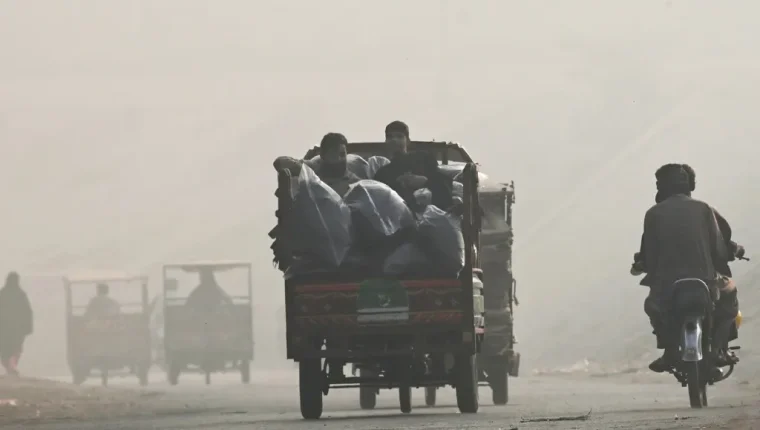

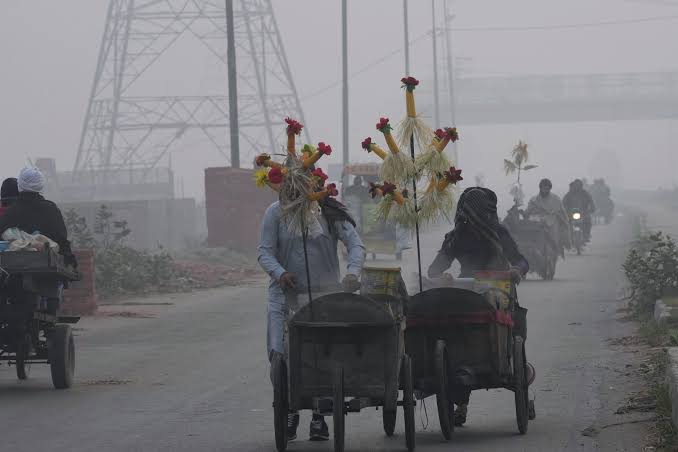
Lahore faced another episode of hazardous smog on November 20, 2026, when an hourly air quality index reading reached 465 between 7 and 8 a.m. Other cities in Pakistan's Punjab province also reported severe pollution, highlighting a regional public-health emergency rather than a problem confined to one urban center.
Real-time data cited by Dawn placed Gujranwala at 661 and Multan at 641 during the episode. These readings describe specific observation periods and monitoring conditions; they should not be presented as annual averages or as the definitive ranking of cities across the entire year. Dawn reported a Lahore hourly AQI of 465 between 7 and 8 a.m., while readings in Gujranwala and Multan indicated a regional episode.
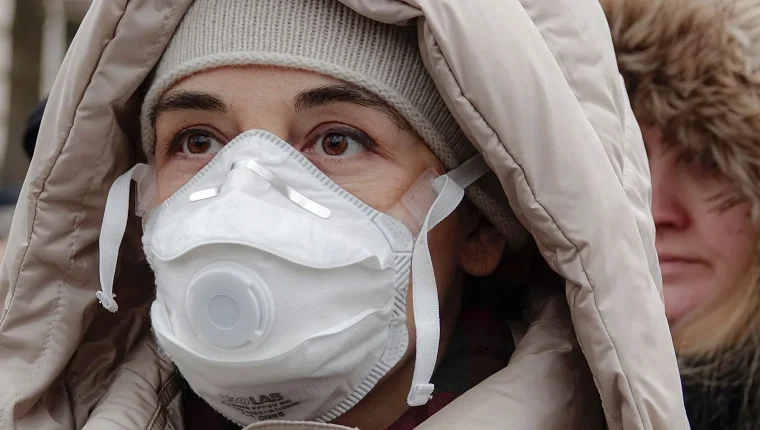
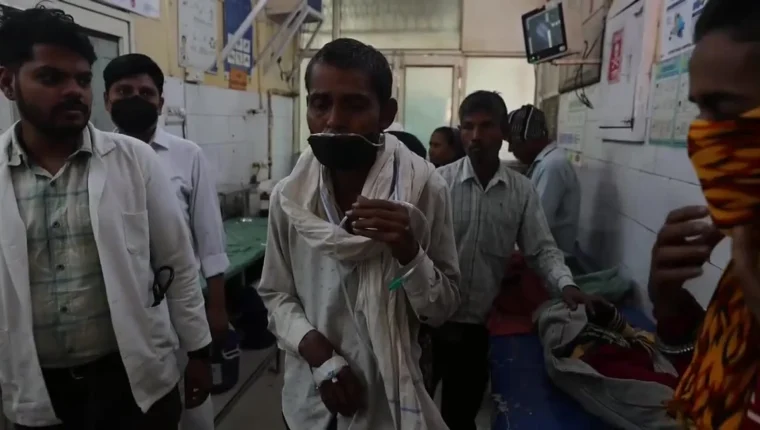
Fine particles and other pollutants can penetrate the respiratory system, aggravating illness and increasing risks for vulnerable people. A high air quality index is a warning signal, although it is not itself a measured count of individual deaths or hospitalizations caused by that day's exposure.
Seasonal atmospheric conditions can trap emissions near the ground, while traffic, industrial processes, agricultural burning and other sources contribute at different scales. Establishing the exact contribution of each source requires chemical measurements and detailed emissions inventories, not a single monitoring reading. An air quality index communicates short-term health danger but is not the same as a single particulate concentration measured in micrograms per cubic metre. Punjab's environmental department reported 84,370 inspections of brick kilns from January 1 through November 18, along with closures, demolitions and fines.
The health challenge also has a territorial dimension. People travelling for work, children attending school and those employed outdoors may face prolonged exposure. Protective advice can reduce immediate risk but cannot substitute for sustained reductions at the emission sources.
Monitoring stations differ in location, methods and update frequency, which matters when comparing reported figures across cities. The November 20 readings reflect a serious episode, but any assessment of policy effectiveness must track repeated observations and consistent indicators over time. Those figures show enforcement activity, not proof of sustained improvement in the air people breathe. Protecting vulnerable residents requires frequent public alerts and action across several emission sources, alongside structural measures that last beyond the current smog emergency.
Authorities need coordinated action on emissions, public alerts and reliable data across Punjab. The continuing smog shows why air quality must be treated as an enduring environmental and health-policy issue rather than only as a seasonal news headline.