
An intense storm flooded parts of Colombo, Sri Lanka's commercial capital, on November 6, 2026, drawing attention to the combined pressures of extreme rainfall, aging drainage and diminished urban wetlands. Mongabay reported that approximately 129 millimeters fell during the episode, leaving vehicles submerged and journeys disrupted.
Meteorological officials reported rainfall intensity above 120 millimeters per hour at one monitoring point. Colombo's stormwater drainage was designed around a capacity of approximately 30 millimeters per hour, according to municipal engineers, illustrating how quickly the network can be overwhelmed by short bursts of heavy rain. The event occurred in Colombo, Sri Lanka's commercial capital: 129 millimetres of rain fell on November 6, flooding streets within minutes. The meteorological service reported intensity above 120 millimetres per hour at one station.
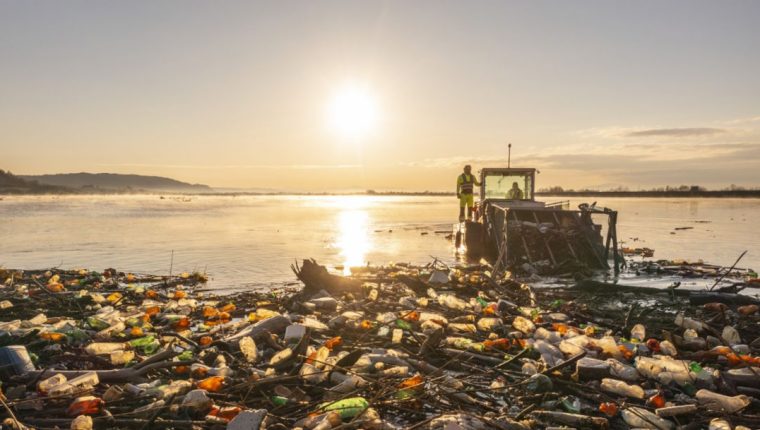
Authorities identified 60 priority locations where obstructed drains and waterways impaired water flow. Cleaning channels can help in the short term, but the problem extends beyond debris: the city's expansion has replaced absorbent surfaces with pavement and construction.
Colombo is internationally recognized as a wetland city. Its wetland complex retains part of the rainfall entering the urban area, yet filling, fragmentation, waste dumping and invasive plants have weakened this natural infrastructure. Scientists cited around 20 square kilometers of wetlands still remaining in the complex. Such an intense downpour helps explain the rapid flooding, but urban drainage conditions also matter. Officials pointed to the absence of a fully operational Doppler radar system capable of supporting earlier forecasts.
Real-estate projects often market proximity to greenery while overlooking the hydrological services of those same ecosystems. Wetlands temporarily store water, slow runoff and help recharge groundwater, so degrading them may increase flood exposure and future infrastructure costs.
Officials pointed to the absence of a fully operational Doppler weather radar system as a limitation for timely forecasting. Experts also proposed a dedicated adaptation and resilience fund; such financing remains a recommendation, not a confirmed funding program with completed works. Colombo is recognized as an international wetland city, yet urban development, blocked drains and invasive species have reduced natural water retention. Proposals for dedicated adaptation funding remain proposals rather than an adopted solution.
The path forward combines improved forecasting, restoration of wetland connections, drainage upgrades and transparent urban planning. The November flooding illustrates that concrete infrastructure alone cannot replace functioning floodplains when storms become intense and land use continues changing.