

Brazil's new desertification plan classifies Campos dos Goytacazes, Quissamã, São Francisco de Itabapoana and São João da Barra as dry subhumid, the first such area outside the Northeast.
Cemaden scientist Ana Paula de Amaral Cunha says state rainfall fell from 1,024 to 896 millimetres between the 1961-1990 and 1991-2020 averages, a 12.5% decline.
Potential evapotranspiration rose 7.4%, from 1,276 to 1,370 millimetres, pushing the aridity index from about 0.80 to the dryland threshold of 0.65.
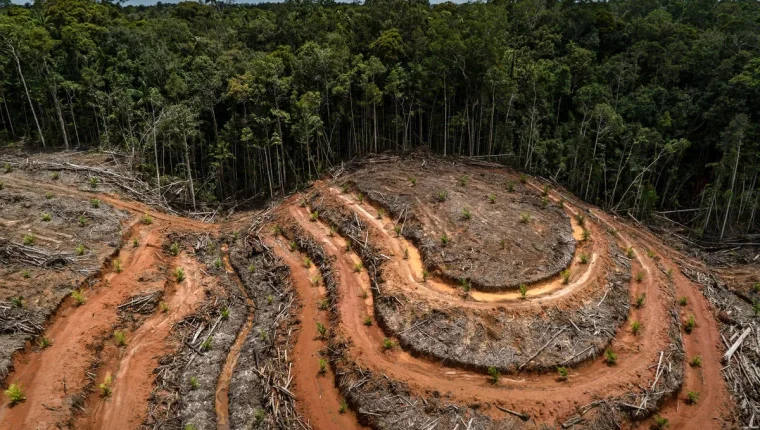
The causes of declining rain remain uncertain. Global warming and circulation changes combine with Atlantic Forest loss and drainage of lagoons and wetlands.
The region retains under 8% of its original forest. Water supply, rain-fed crops, pasture and food security face rising pressure, especially in vulnerable communities.
Rio state is preparing a diagnosis and contracting restoration of 60 hectares in São João da Barra, while the federal plan has no measures tailored to the four municipalities.
Efficient water use, soil conservation, native vegetation, adapted farming and emissions cuts must turn the new classification into funded, monitored resilience rather than a label.