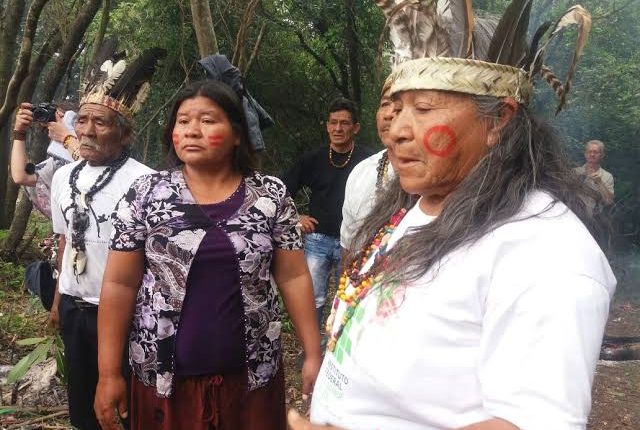
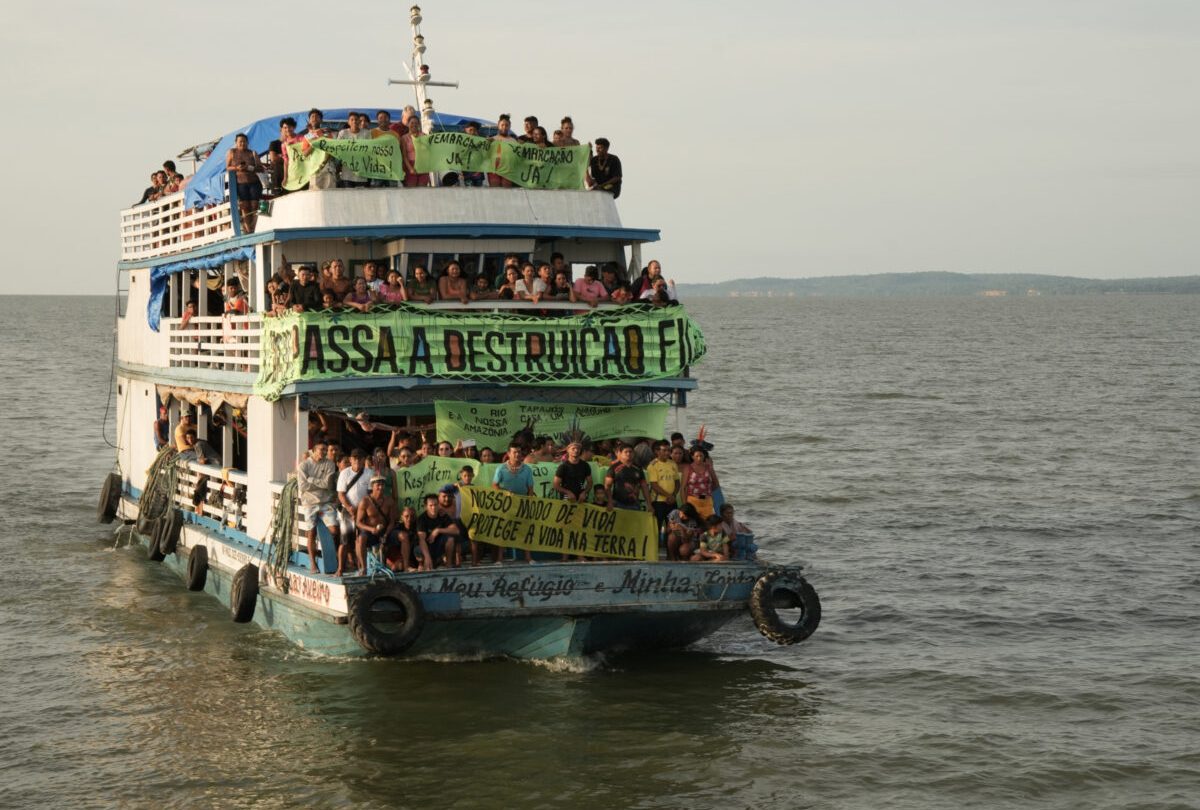
Hundreds of Indigenous demonstrators used small boats and canoes to stop and board barges carrying soybeans and fuel on Brazil's Tapajós River on November 14 and 15, 2026. The action drew attention to disputes over industrial transport, river protection and recognition of Indigenous territories in the eastern Amazon.
Protesters sought safeguards for the waterway as commercial infrastructure expands. They also demanded progress on the legal recognition of territorial rights. The river is a transport corridor but also a basis for community livelihoods, food systems and cultural relations with the landscape. Brazilian government figures cited in the report show 16.8 million metric tons moved along the waterway in 2025, 14.3% more than in 2024. That illustrates its commercial importance without resolving Indigenous territorial claims.
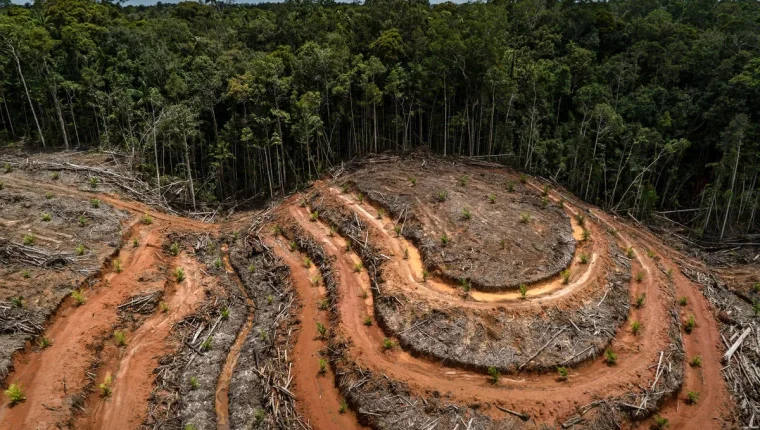
Large-scale river logistics can generate concerns about changes to shorelines, traffic, spill risks and pressure on surrounding ecosystems. These potential impacts require project-specific assessments; the mere presence of vessels does not establish that each alleged environmental harm has occurred.
The demonstrations were a political and territorial action rather than a court ruling or a final administrative suspension of shipping. Their significance lies in making community demands visible at the very point where commodity transport crosses Indigenous areas of concern. None of the 12 Indigenous territories in the region had full legal recognition at the time of reporting. Protesters described tense encounters with armed guards aboard the barges but portrayed their action as peaceful.
Any durable response must address the difference between economic benefits claimed for expanding transport and the ecological and social costs borne locally. Access to consultations, relevant studies and meaningful participation is vital when projects may affect Indigenous territories and traditional practices.
The report documents the boarding actions on the two November dates and the protesters' stated demands. It does not establish that all territorial claims were legally resolved or that new environmental protections had already been enacted as a result of the protest. Their demands concern navigation, culturally significant places and influence over infrastructure decisions, not simply water pollution. The repeal of an earlier waterway decree did not settle the wider disputes. Any lasting response requires transparent impact assessments and meaningful consultation.
The next institutional steps concern dialogue, scrutiny of infrastructure plans and responses from competent authorities. The Tapajós dispute illustrates how river governance, exports and Indigenous rights converge in a single Amazonian landscape.