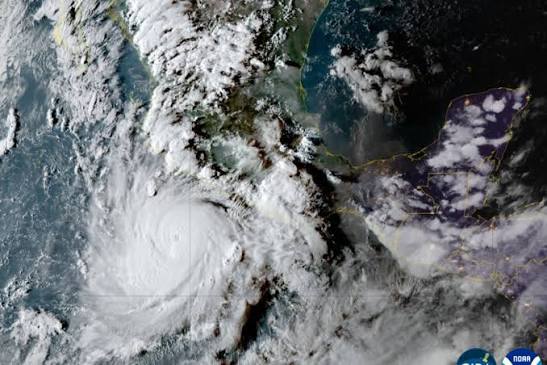

Warming in the equatorial Pacific continues to strengthen, raising the possibility that El Niño reaches exceptional magnitude late in 2026. The signal already warrants preparation, but it does not settle the outcome: peak intensity, timing and the distribution of rainfall and temperatures remain uncertain.
The update cited by UOL gives a 69% probability that the relative oceanic index RONI reaches +2.5°C or more in October–December. It also places the chance of a very strong phase above 90% around late 2026 and early 2027 in the Northern Hemisphere. These are model- and observation-based probabilities, not advance confirmation.
“Super El Niño” is a journalistic shortcut for extraordinary levels, not a standardized operational category used by the World Meteorological Organization. Official services generally classify strong or very strong episodes with defined thresholds and periods. Combining different labels can make percentages describing different scenarios appear contradictory.
The phenomenon develops as the tropical ocean and atmosphere couple: warmer surface water changes convection, winds and pressure, and that reorganization shifts upper-level currents and storm tracks. It can therefore influence distant regions. The ocean index matters, but it cannot by itself explain every continental impact.
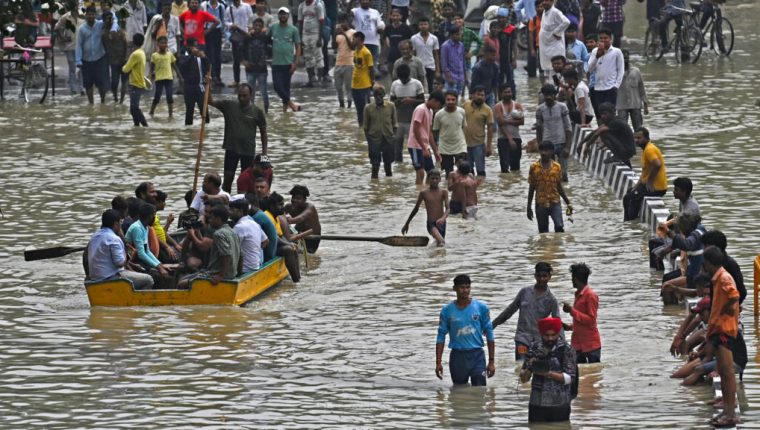
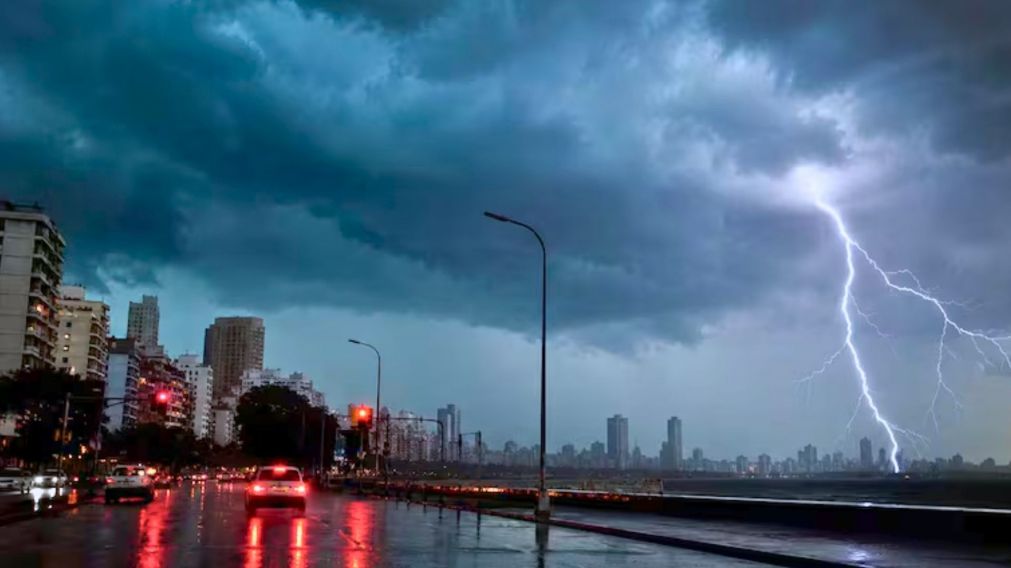
An intense El Niño changes the odds of drought, heavy rain and extreme heat without producing the same effect everywhere or every week. Other ocean patterns, atmospheric variability and global warming can reinforce or offset its signal. Even the strongest events do not guarantee that a region will exactly repeat past outcomes.
The useful response is anticipatory and sector-specific. Water and energy managers can review reserves and scenarios; agriculture, health and civil protection can adjust calendars, warnings and contingency plans; fire and flood systems can check equipment and coordination. Preparing for a high probability reduces harm without treating a forecast as certainty.
Coming observations will show whether coupling persists and whether RONI reaches the extreme threshold during the Southern Hemisphere spring. WMO and national meteorological updates should be followed as new data arrive. Responsible communication must separate observed conditions, probabilistic forecasts and local impacts, revising the scenario when evidence changes.