
Fifteen years after evictions in the Polochic valley, the case of 14 Maya Q'eqchi' communities reached the Inter-American Court. The IACHR announced the October 28 referral, formally submitted September 17, seeking a ruling on Guatemala's international responsibility.
Referral is not conviction. The Commission presents alleged facts and remedies; the Court hears the state and victims before issuing a binding judgment. No hearing or merits date had been announced.
The dispute dates to at least 2005, when companies bought land occupied for centuries while communities lacked adequate titles. In 2011 a court authorized eviction of the 14 communities.
The IACHR says operations used disproportionate force and ignored historic occupation and cultural impacts. In May 2013, five Indigenous people were shot during the eviction of 95 families at Río Polochic farm.
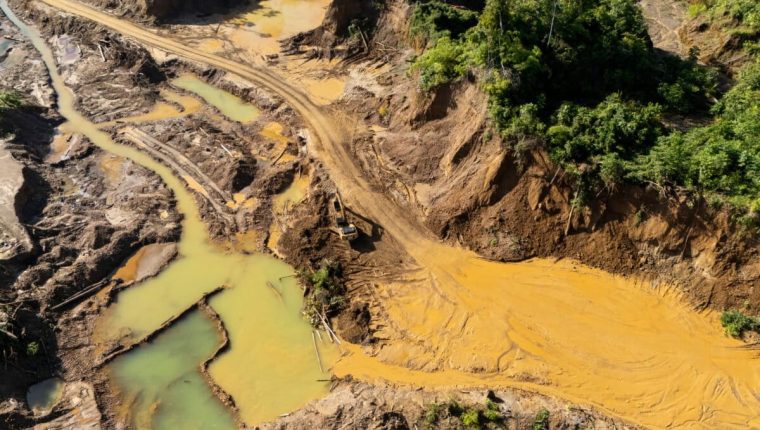
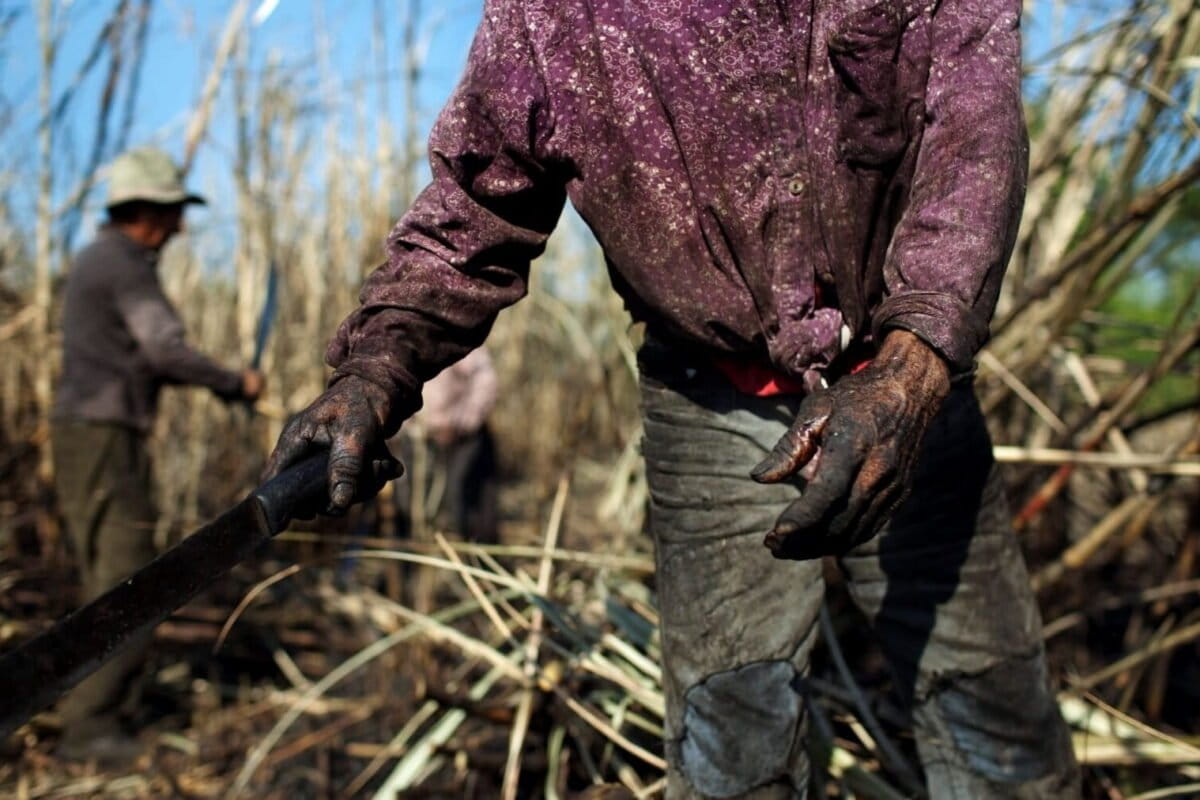
The Commission says sugarcane expansion was approved without Indigenous consultation or environmental studies, destroying rice, maize and bean crops and harming food security. Guatemala may contest these findings before the Court.
Requested remedies include safe return, food, water, housing, collective titles and a legal framework for ancestral rights, backed by budget, timetable and culturally appropriate consultation.
The case may set regional standards on land titling, agribusiness, consultation and food rights. Court access is important but only implementation can restore land and material conditions.