São Paulo state remains under alert as a mass of hot, dry air drives temperatures higher in mid-winter. The Civil Defence warning runs through 19 August and combines three threats: heat far above average, exceptionally low relative humidity and conditions capable of accelerating wildfires.
The interior faces the largest anomalies. Presidente Prudente, Franca and Ribeirão Preto may reach up to 7°C above normal. In Bauru, Araraquara, Campinas and the metropolitan region, the expected difference ranges from 3°C to 5°C. The intensity will not be identical across the state.
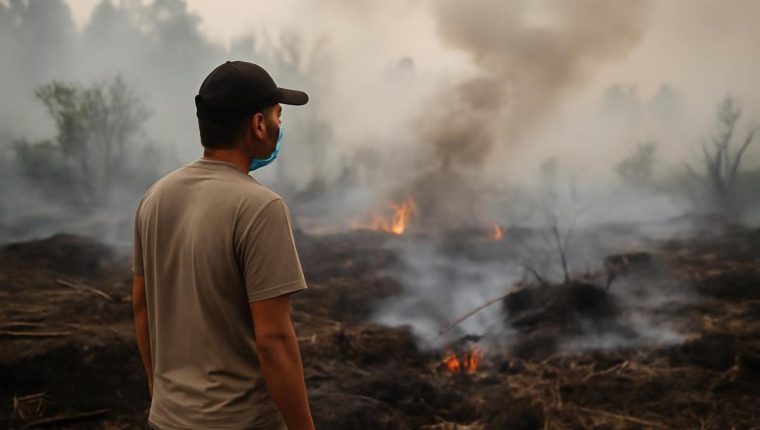
Humidity will remain below 30% across much of São Paulo and may fall under 20% in the western half. Very dry air removes moisture from vegetation and narrows the window for controlling a fire. Heat, dry plant fuel and wind can turn a small ignition into a potential emergency.
The capital is also experiencing the abrupt shift. The Emergency Management Centre said apparent temperature rose from 12°C to 23°C in less than one day, with a forecast high of 29°C when the warning was issued. The rapid change matters as homes, schools, workers and services come from cooler winter conditions.
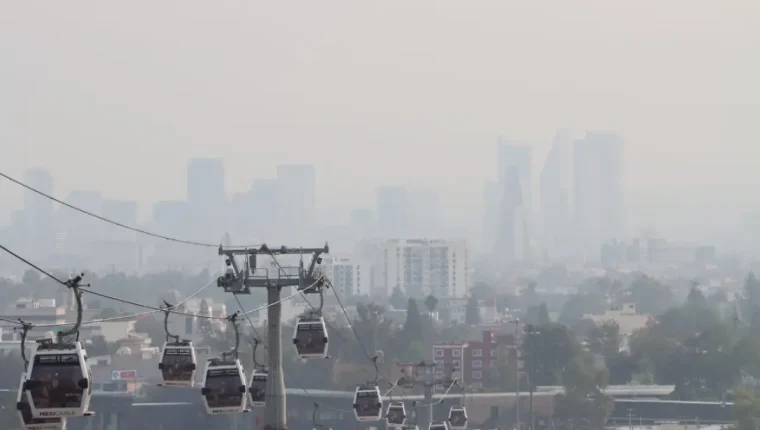
The health threat is not limited to heat. Low humidity can worsen irritation and respiratory crises, particularly among children, older adults and people with lung disease or allergies. Monitoring should consider symptoms and cumulative exposure, especially during the driest hours and wherever smoke is present.
Civil Defence asked people not to discard cigarette ends along roads or in dry vegetation and advised against burning or clearing land with fire. Prevention is decisive because dangerous weather does not by itself start most fires; an ignition source is required. Avoiding risky behaviour reduces pressure on crews and rural communities.
The 19 August date is the forecast end of the warning, not a guarantee of immediate normalization. Authorities must update temperature, humidity, wind and active-fire data before lowering the alert. The assessment should include fires prevented or contained, health cases and the ability to communicate different risks across regions.