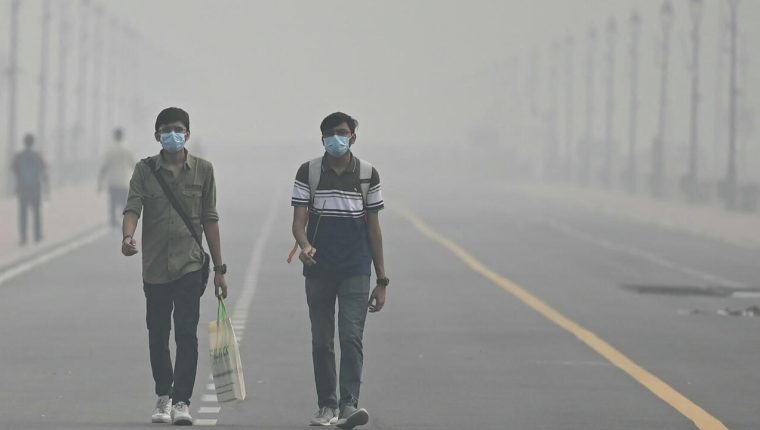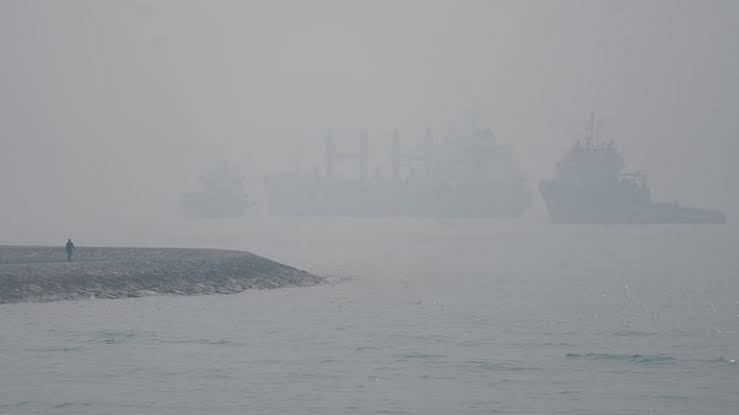

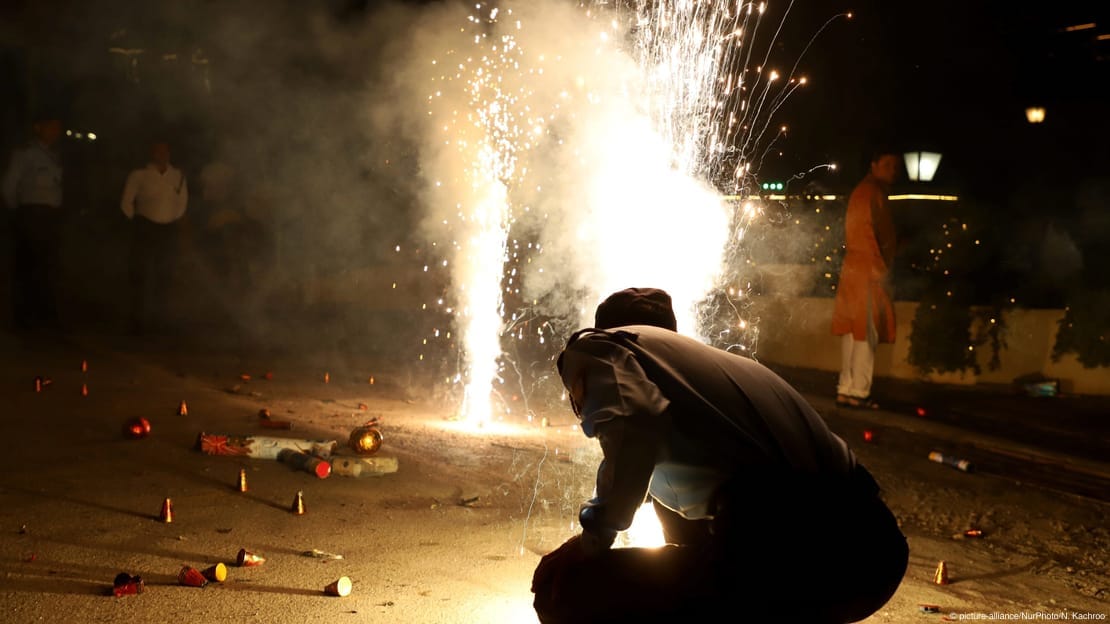
Delhi's official AQI reached 370 at 9 a.m. on November 9, rated very poor by the Central Pollution Control Board, while several areas exceeded 400, or severe, after Diwali fireworks continued late despite court restrictions.
The Supreme Court had allowed only certified lower-polluting firecrackers during limited hours. Reported violations can explain a sharp particle and gas spike, but air had already been poor for more than a week.
Cold heavy winter air traps traffic, construction dust, industry and crop-residue smoke. Fireworks add an intense short-lived load that can push an already saturated basin from very poor to severe.
AQI is a composite, so authorities should publish hourly PM2.5, PM10, ozone, nitrogen dioxide and carbon monoxide by station. Private global rankings provide context, but official networks should drive local action.
Health effects include irritation, asthma exacerbation, cardiovascular stress and reduced lung function, especially for children, older people, pregnant people and outdoor workers. Exposure advice cannot replace source control.
Delhi had activated its graded response and requested online classes. Enforcement must combine firework limits with diesel, dust, transport and regional crop-waste measures rather than rely on post-peak operations.
The test is the multi-day recovery curve, violations, hospital demand and policy compliance. A wind-driven AQI fall would disperse pollution, not prove the sources have been fixed.