
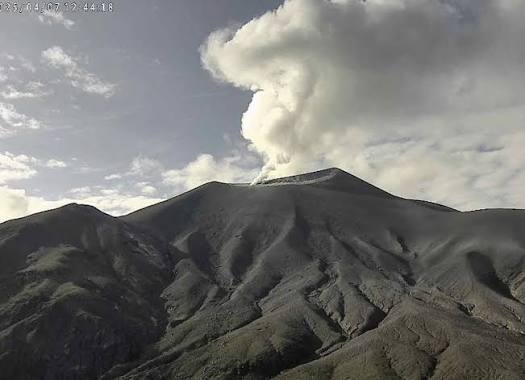
An ash-and-gas emission from Puracé volcano forced a temporary suspension of operations at Guillermo León Valencia airport in Popayán, south-western Colombia, on 10 August. Civil aviation authorities acted because volcanic particles can threaten aircraft engines, visibility and instruments, and asked travellers to check changes with airlines. The event disrupted regional travel, but the reported closure was precautionary and temporary: it should not be presented as a permanent shutdown or proof that a larger eruption had begun.
Puracé lies about 27 kilometres south-east of Popayán and belongs to the Los Coconucos volcanic chain, which contains fifteen eruptive centres. At the time of the report it had been under orange alert since late July, a level indicating significant changes and a greater eruption probability than lower alert states, but not that a major eruption is inevitable or can be dated. Its last sizeable eruption occurred in March 1977, and gradual changes in activity have been recorded since 2021.
The Colombian Geological Service reported an increase in seismic energy and in the temperature of emissions containing ash, sulphur dioxide and carbon dioxide. Those variables belong to a broader monitoring system that includes seismicity, ground deformation, gas chemistry, cameras and satellite observations. No single signal can predict the course precisely. Useful interpretation comes from their combination, trends and official bulletins, which may change the alert level as evidence changes.
The emission coincided with the magnitude-7.4 earthquake that struck Colombia that day and damaged other airports. The Geological Service ruled out a direct relationship: the earthquake was centred in Chocó on the Pacific side, while Puracé's unrest reflected its own dynamics. Timing can encourage an intuitive association but does not establish causation. Keeping the hazards separate limits rumours, directs resources to the right needs and protects trust in emergency instructions.
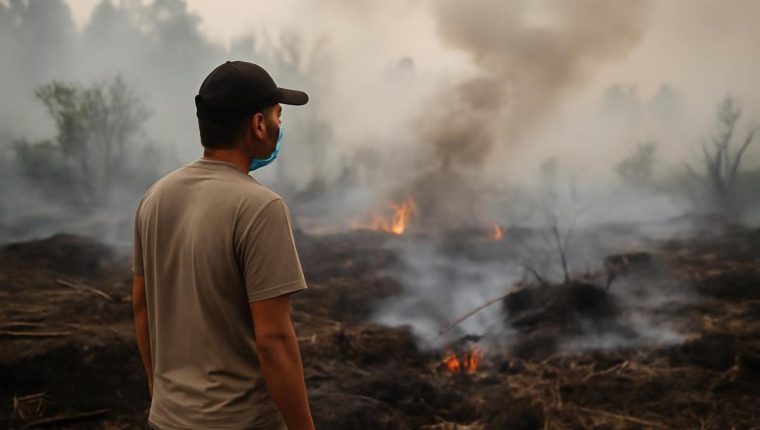
Volcanic ash consists of pulverized rock and glass, not ordinary smoke. It can irritate eyes and airways, contaminate water, damage crops and machinery, and add dangerous weight to roofs during heavy falls. Exposure varies with concentration, wind, duration and particle size. Where ashfall is confirmed, authorities may advise staying indoors, sealing openings, protecting water tanks and using suitable respiratory protection; people should follow local guidance and avoid approaching the crater to watch.
Management requires distinct messages for aviation, public health and rural communities. Aviation agencies and airlines need dispersion data for routes and reopening decisions; health services must monitor symptoms and maintain supplies; municipalities and Indigenous reserves need accessible maps, evacuation routes and redundant communication. It is also useful to record ash depth and direction, protect livestock and clean in ways that do not resuspend particles or overload stormwater systems.
The episode should be judged by continuity of monitoring, speed of warnings, safe restoration of flights and preparedness among exposed populations. Volcanic activity cannot be controlled, but public science, drills and proportionate preventive decisions can reduce its effects. Every update should specify its date, source and alert level so a past suspension does not become permanent news. Around an active volcano, the sound response combines caution without alarmism and readiness to escalate if data demand it.