Thai foreign minister Sihasak Phuangketkeow visited Myanmar on November 12 and announced a working group and joint field visit, but no date, budget or completed action followed the August 6 agreement.
The final six-page pact removed joint water testing, bilateral source investigations and legally binding polluter responsibility. It also blocks outside technical assistance and restricts data disclosure.
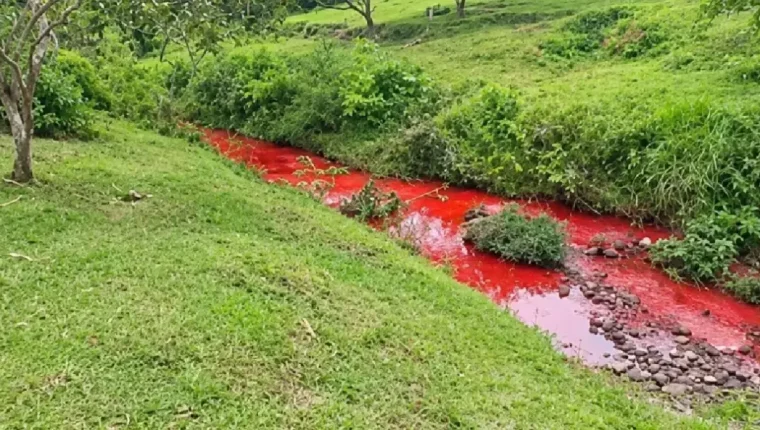
Since 2025, Thai authorities have found arsenic and other heavy metals in the Kok, Sai and Ruak rivers and mining-linked pollution in the Mekong and Salween systems.
August samples found arsenic above the 0.01 mg/l limit at six Kok stations and up to 0.284 mg/l in the Sai, forcing raw-water production to stop in November.
Reports cite 20,800 affected farm hectares; preliminary soil tests found dangerous levels in 20% of plots, and farmers have shown elevated urinary arsenic.
China imported $2.5 billion in minerals from Myanmar in nine months, including $871 million in rare earths, while Thailand drafts import controls whose reach remains unclear.
Pianporn Deetes says public data, common testing, identified mines, stopped discharges, safe water and repair must replace a pact that currently monitors without controlling the source.