
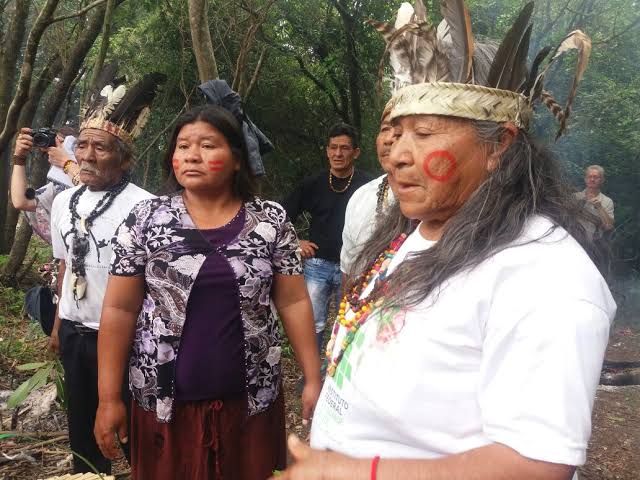
About 300 Kaingang people have lived without piped water or electricity in a Pitanga camp since February 2025. They fled Serrinha after more than 100 members of another village burned homes and vehicles and injured dozens on January 4.
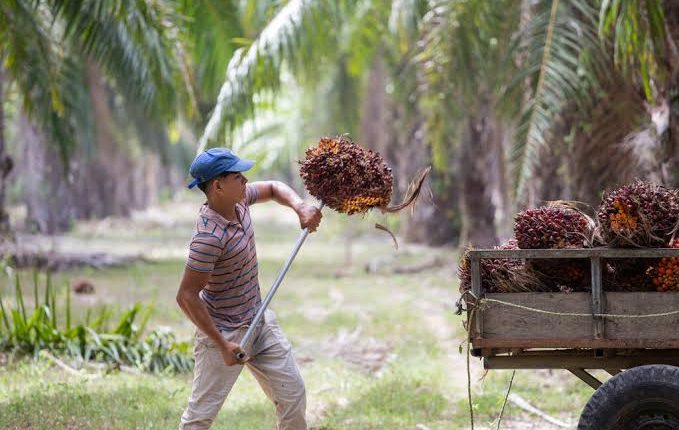
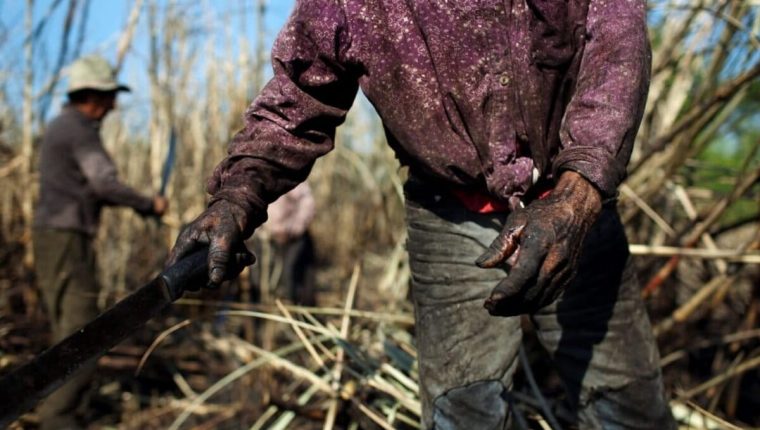
This is not merely an internal ethnic feud. Funai says roughly 300 of the Ivaí territory's 7,306 hectares are leased yearly for soy, wheat and maize, although Brazil's Constitution prohibits third-party exploitation of Indigenous land.
Displaced families say income is concentrated through the Laranjal association. One farmer described payments of R$3,000 plus R$500 per alqueire per crop; these are allegations requiring investigation, not final findings.
Opposition to leasing helped create Serrinha in 2024. Chief Valmir Olivério was shot in the face and his brother Hamilton still carries four projectiles; the families seek a federal order allowing return.
An April 2025 agreement sought community-managed farming on 300 hectares, equipment, agronomic support, environmental limits and fair benefit sharing, using more than R$3.9 million in Indigenous patrimony revenue.
The plan missed deadlines. Prosecutors sued Funai in February 2026, while Funai cited staffing losses. Mediation ended after both groups refused a joint session.
Threats of armed retaliation demand immediate protection, investigation and preventive disarmament. A durable outcome must end illegal leases, account for funds and secure a legitimate territorial solution without making families pay again.