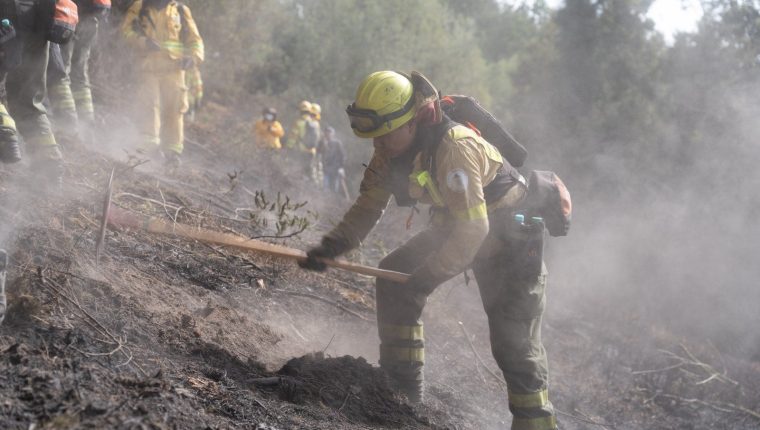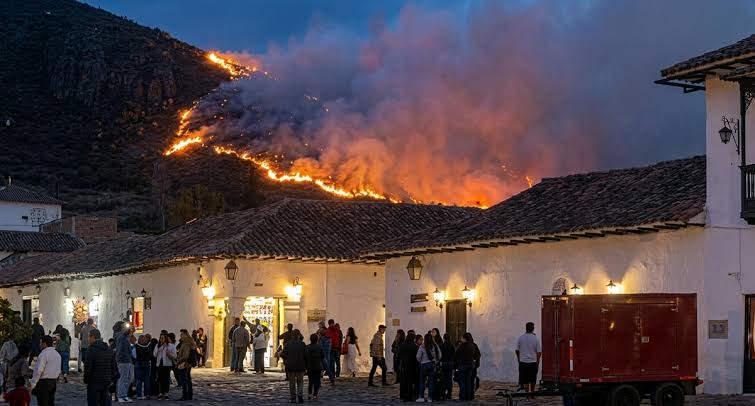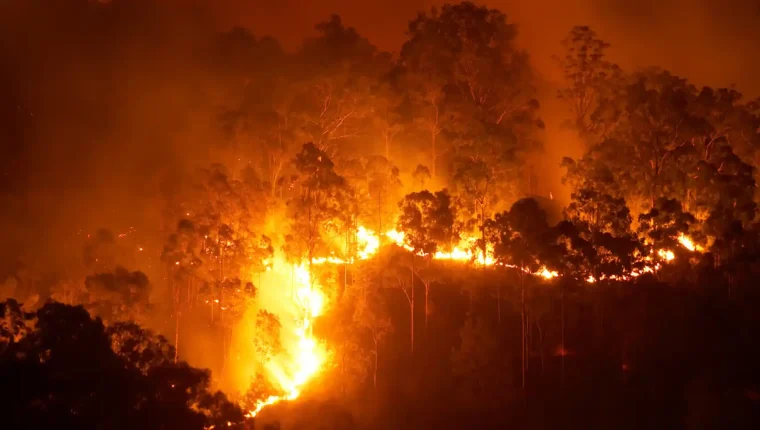

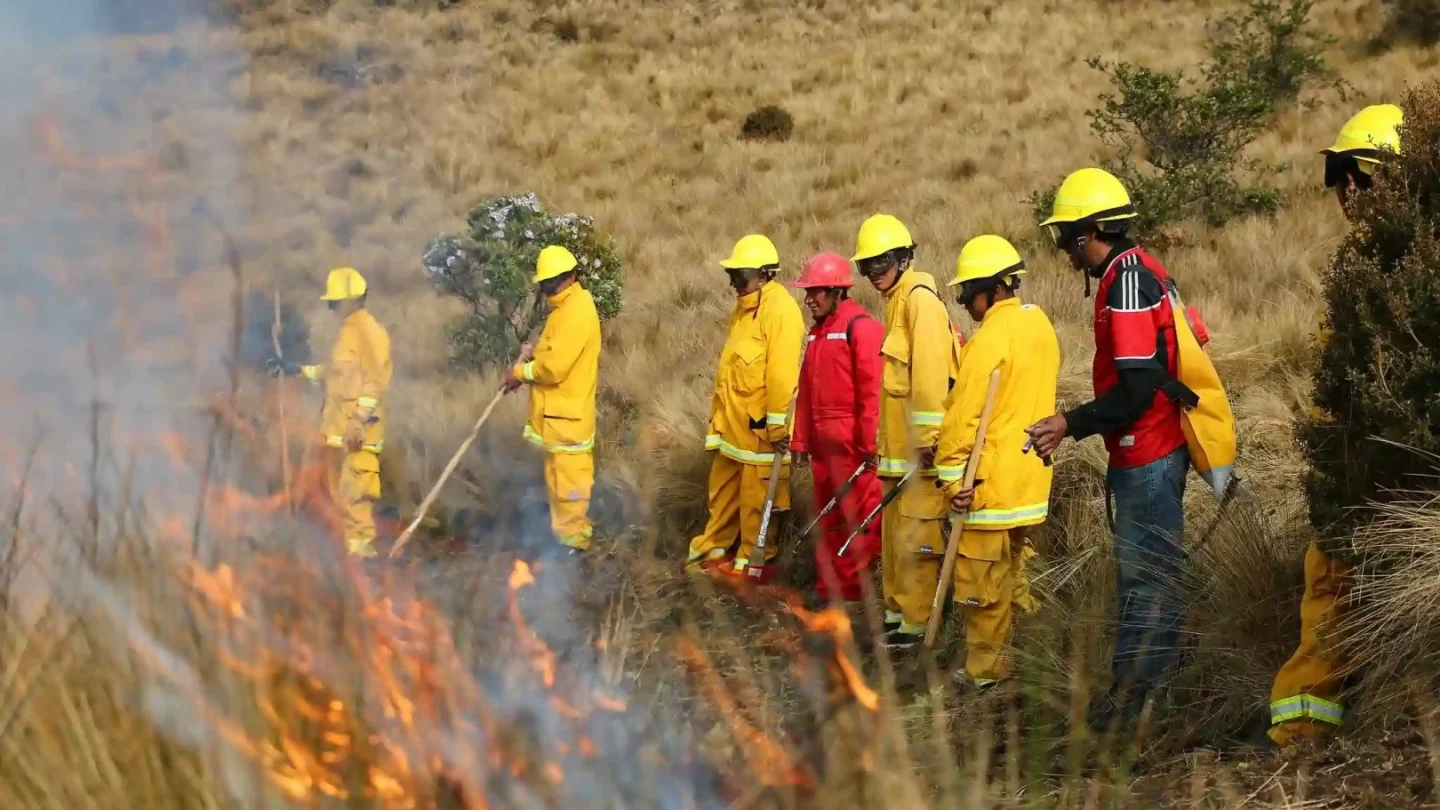
Six wildfires reported between 5 and 9 August in Ayacucho, Cusco and Arequipa were extinguished, Peru's National Institute of Civil Defence said through the National Emergency Operations Centre. The incidents occurred in Chiara, Sara Sara and San José de Ushua; Huayopata and Kimbiri; and Cabanaconde. No harm to residents' life or health was reported, an important outcome, although the absence of casualties does not erase ecological, productive and soil losses that must be assessed after the flames are out.
In Ayacucho, municipal staff and organized residents helped extinguish the fires. Local damage assessments recorded 115 hectares of natural cover destroyed. In Cusco, police, Civil Defence brigades, municipal security, the army, health workers and communities responded depending on the district; nineteen hectares of vegetation burned and two hectares of crops were lost. In Cabanaconde, Arequipa, weather conditions ultimately suppressed the fire and the provisional toll was one hectare of natural cover while assessment continued.
The initial sum is at least 135 hectares of natural cover plus two agricultural hectares. It is a minimum derived from preliminary reports, not a final damage figure. Burned area alone does not reveal severity: impacts differ across grassland, scrub, native forest, wetland or previously degraded land. Fire intensity, depth of soil combustion, season and the presence of species, headwaters, homes or nearby infrastructure also matter.
Closing six incidents did not mean national risk had ended. At the time of the statement, two fires that started on 10 August remained active in San Juan and San Pablo, Cajamarca. In Áncash, a fire in remote, inaccessible Matacoto was developing, while another in Carhuaz was controlled but not yet extinguished. These are operational categories: controlled means spread has been contained, whereas extinguished requires confirmation that no hot spots remain capable of reignition.
The response mobilized local and national capacity, but showed how heavily the front line depends on municipalities, police, brigades and organized residents. Participants need training, protective equipment, communications, water and protocols that do not leave unsupported volunteers exposed. Difficult access, wind and low humidity can quickly overwhelm ground response. Fuel maps, satellite watch, early warning and prearranged aerial or interregional support shorten the time between detection and initial attack.
Another phase begins after the fire. Authorities must complete damage and needs assessments, establish causes without speculation, watch erosion and landslide risk, protect water sources and decide where natural regeneration is preferable to planting. Restoration is more than counting trees: it needs appropriate native species, control of grazing and repeat burning, monitoring across several seasons and support for farmers who lost crops. Publishing fire polygons and comparable data would allow recovery and recurrence to be measured.
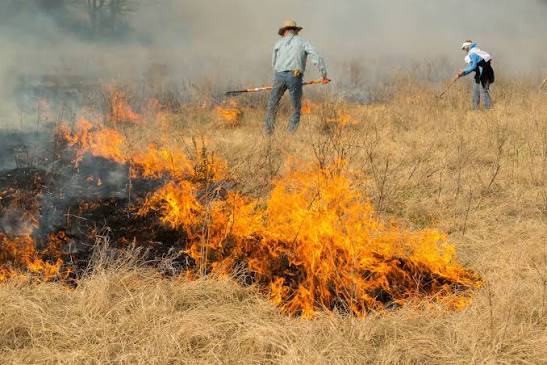
Prevention should focus on the dry period and practices that cause ignitions, without assigning responsibility before each investigation. Guidance for agricultural burning, clear permits, penalties for deliberate acts and alternatives for plant waste can reduce starts. Landscapes with varied land use, maintained firebreaks and healthy ecosystems can also slow spread. August's response will be a success if rapid extinction becomes learning: fewer ignitions, safer brigades, open information and verifiable restoration.