

A Jakarta court sentenced Tonny Tumbelaka to nine years in prison and fined him 1 billion rupiah, about US$55,000, over an attempt to export 3,053 kilograms of pangolin scales to Cambodia. It is the first major court outcome, not the end of the network investigation.
Customs found the shipment on February 18 at Tanjung Priok in a container declared as sea cucumbers and instant noodles. Ninety-nine boxes were hidden in separate compartments and valued at about 183 billion rupiah, or US$10.1 million.
Prosecutors proved Tumbelaka arranged transport to a Cakung warehouse for concealment. They sought 11 years and a 2-billion-rupiah fine; judges imposed less, citing age and no previous convictions.
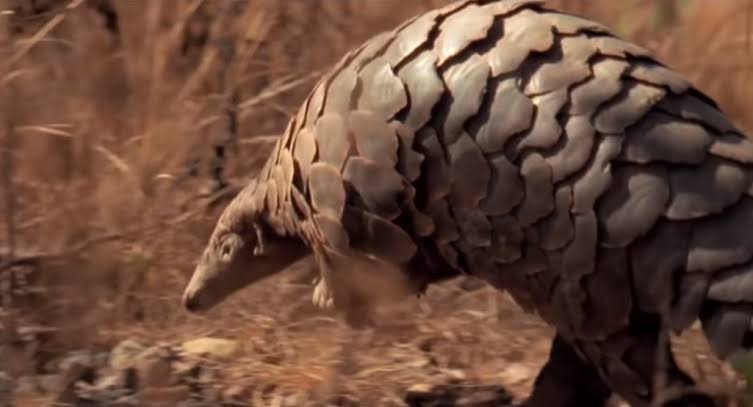
Researchers estimate each kilogram may represent about five animals, so the seizure could reflect up to 15,000 dead pangolins. That is a conversion estimate, not an individual count or full species identification.
All eight pangolin species are threatened and CITES Appendix I bans commercial international trade. Scales are keratin, like human hair and nails, and have no demonstrated medicinal benefit.
The case also includes a Vietnamese national arrested in August and another person of interest who missed questioning. Investigators say they are coordinating to identify higher-level organizers and financiers.
Deterrence depends on following money, communications, warehouses, exporters and buyers rather than stopping with a middleman. Digital-market enforcement, evidence security and demand reduction are also essential.