
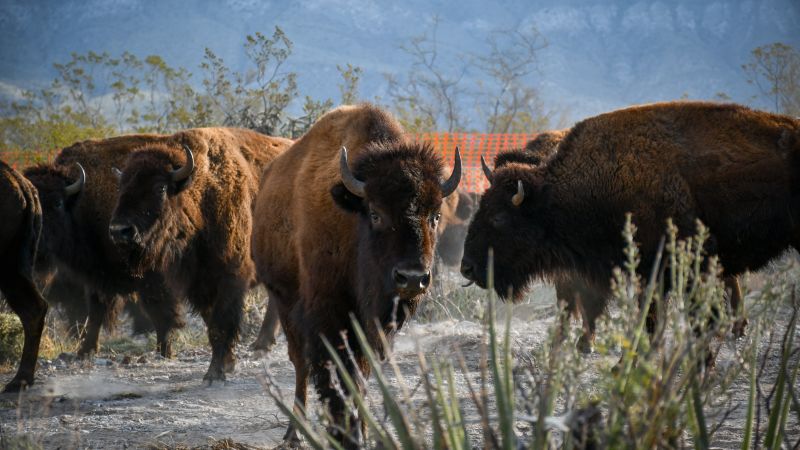
Mexico has reintroduced 47 American bison to El Santuario Reserve in Cuatrociénegas, Coahuila, after more than a century of local absence. Three animals arrived in August 2025 through a partnership between Fundación Pro Cuatrociénegas and the Desert Museum; another 44 followed in November with the Mexican Fund for the Conservation of Nature. The project seeks to restore a keystone species of the Chihuahuan Desert.
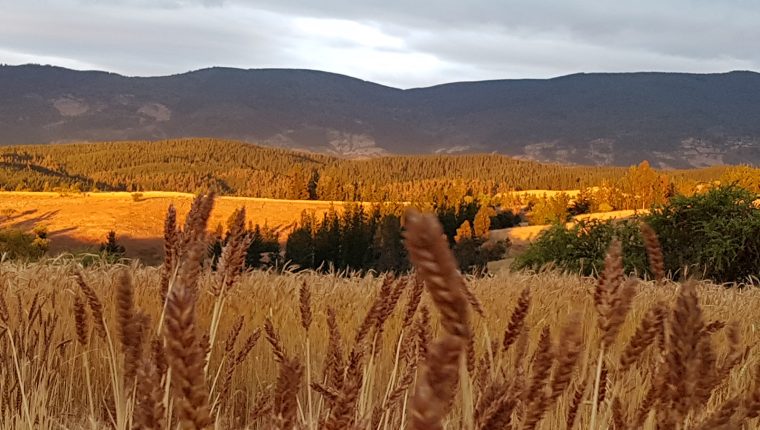
Cuatrociénegas combines gypsum dunes, wetlands, pools and desert habitats across roughly 400,000 hectares recognized for biodiversity and vulnerable species. Bison disappeared through hunting and human pressure in the nineteenth century. Their return is not a wildlife display: it is an effort to restore missing functions in a landscape where large herbivores, soils, vegetation, water and predators evolved through interaction.
Bison act as ecosystem engineers. They consume grasses and dry vegetation, reducing some of the fine fuel that can start or spread fires; their hooves disturb soil and make small openings that support water infiltration and germination. Seeds attach to their coats and travel with them, while dung returns nutrients and supports insects such as dung beetles, which aerate the soil as they bury it.
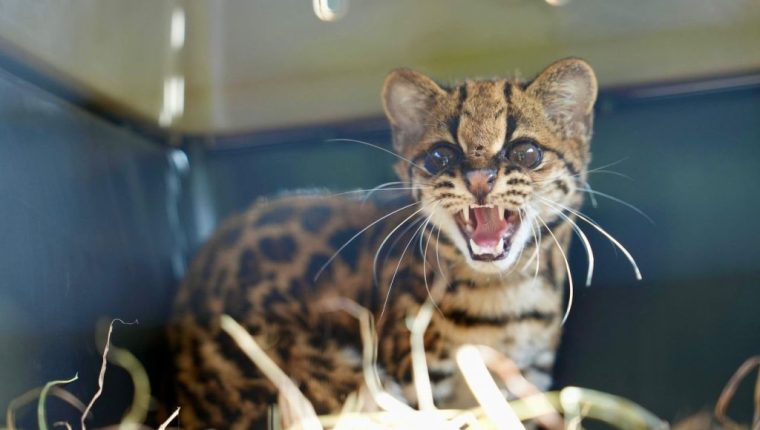
Fundación Pro Cuatrociénegas has reported encouraging early signs. Monitoring cameras recorded pumas, bobcats and collared peccaries in sectors where they had not recently been observed, and local birds used bison hair in nests. The records show a network of interactions in motion, but do not prove the reintroduction caused every return: more camera effort, seasonality and natural movements may also matter.
The claim that the ecosystem is recovering by itself simplifies a managed process. The animals were transported, the reserve is administered and the herd needs veterinary surveillance, water, space and protection. Behaviour and localized change can appear within months, but restoring vegetation structure, soils, hydrological cycles and food webs requires years of comparable data against a baseline and control areas.
Risks must also be anticipated. A small founding population can lose genetic diversity; excessive density may pressure forage and springs in dry years; disease, fences, conflict with livestock or movement beyond the reserve can undermine the programme. Adaptive management should adjust numbers and distribution according to rainfall, forage, water quality, reproduction and the response of native species.
Success should be measured through vegetation cover and diversity, infiltration, erosion, fire fuel, soil nutrients, insect abundance, habitat use by other species, and herd health and genetics. Publishing those indicators across several seasons will separate enthusiasm from evidence. The reintroduction has already restored a missing ecological actor; turning that into lasting recovery will depend on science, finance and local governance.