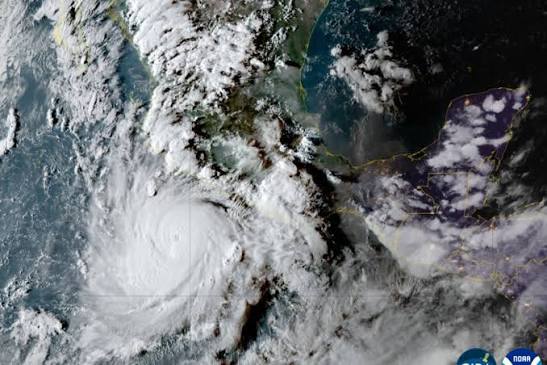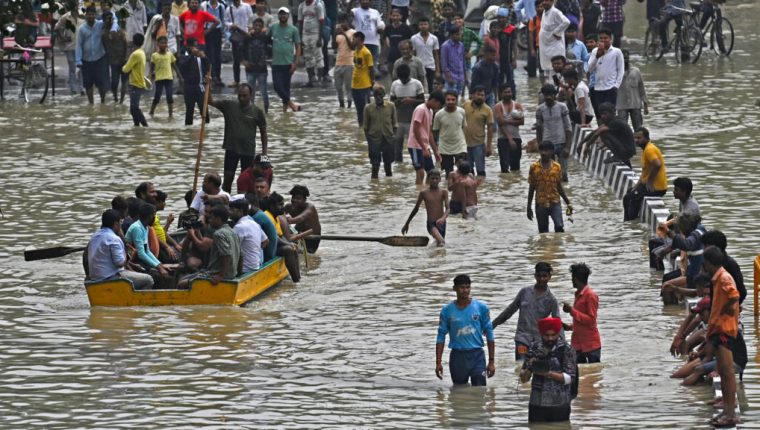

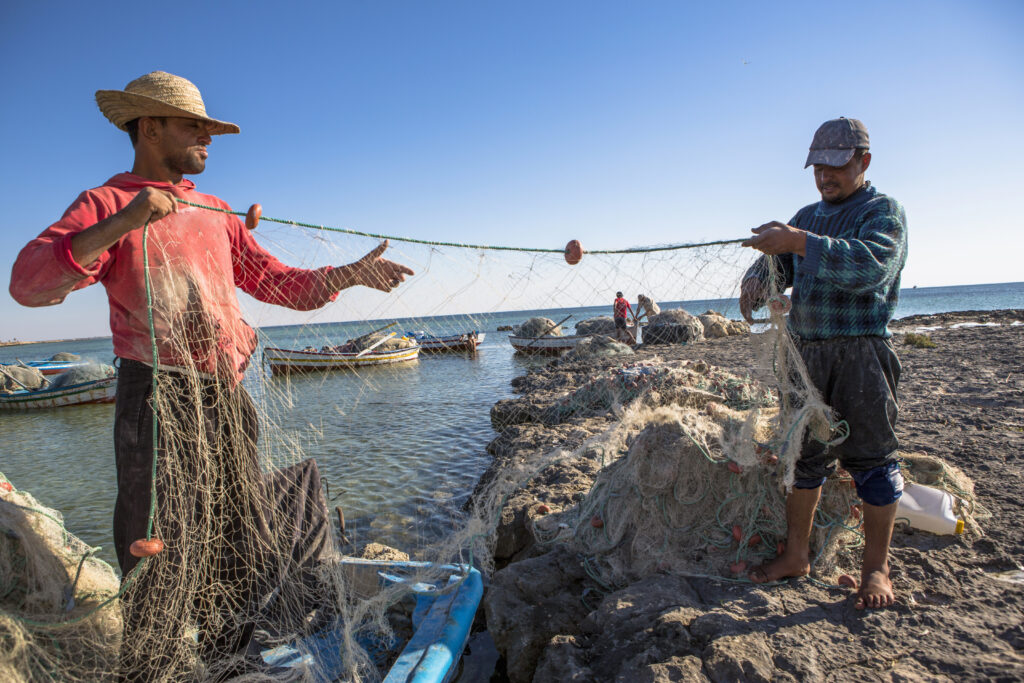
El Niño is altering Pacific rainfall and temperature with direct effects on Latin American food systems. Mongabay examines Colombian farming, Mexican small-scale fisheries and Vilela communities in northern Argentina. The common result is less predictable production and collection, but impacts vary greatly by place and income.
In Colombia, the Network for the Defense of Agrarian Reform estimates that 8.46 million tonnes, nearly 30% of national food output, are exposed. The map combines official rainfall forecasts, municipal farm assessments and UPRA planting calendars, covering maize, plantain, potato, rice, cassava, beans and avocado.
The analysis separates seeds that may not germinate or be planted in dry soil from crops that emerge but yield less. Risk windows run from September 2026 to February 2027 and from October 2026 to August 2027, with harvest impacts peaking in February-May. This is exposure, not 8.46 million tonnes already lost.
Mexico’s fisheries also face uncertainty. More than 333,630 people depend directly on fishing and over two million work along the value chain. Abnormal warming disrupts nutrient-rich upwelling and pushes fish deeper or poleward, while oysters and other sedentary species face heat stress.
Fishers report fewer red snapper off Oaxaca, and abrupt weather increases risk for small boats. El Niño does not erase every species equally or explain every catch decline. Overfishing, coastal degradation, fuel costs, infrastructure and access to forecasts also shape vulnerability.
In Santiago del Estero, Vilela communities report rain, hail and floods harming gardens, algarrobo collection and livestock. Families lost goats, cattle, sheep and horses and could not return to wetland areas. Deforestation for monoculture removes natural buffers while emergency funds have become harder to access.
Responses require adapted seeds and calendars, water and insurance for farmers, community-built fishery plans, social protection and accessible emergency funds. Protecting forests, wetlands and coasts also buffers extremes. The warning is a chain of risks that timely information and inclusive decisions can still reduce.