
After three months without rain, residents of Penyeladi in West Kalimantan can no longer rely on the Kapuas River. Indonesia’s longest river, used by more than three million people, has become a shallow muddy stream in places. Families must buy water because what remains is unsafe to drink or wash food.
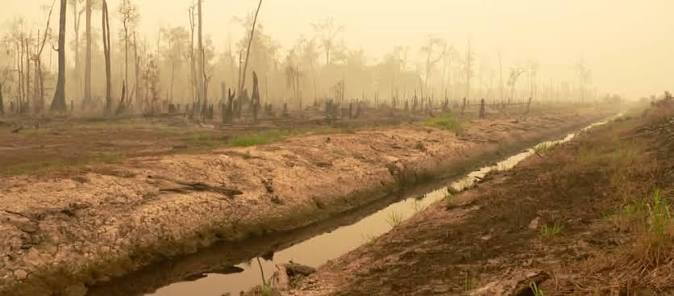
An intense El Niño is driving drought, but natural variability alone does not explain the emergency. Decades of peatland conversion and drainage for palm oil and pulp concessions weakened the landscape’s water storage. Mighty Earth estimates about 60% of Kalimantan peatlands have been drained.
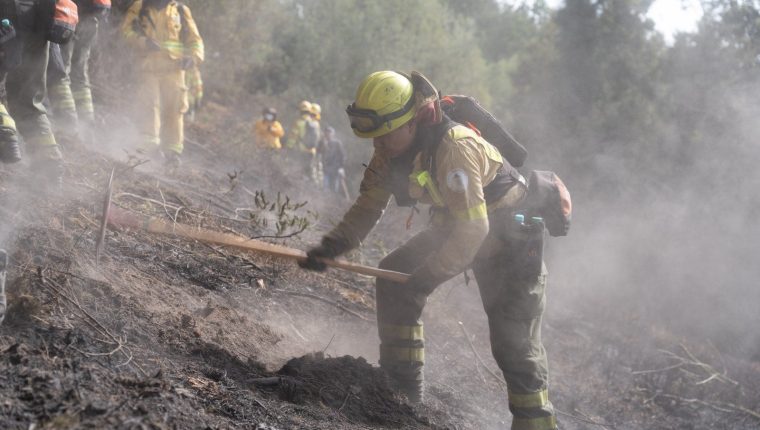
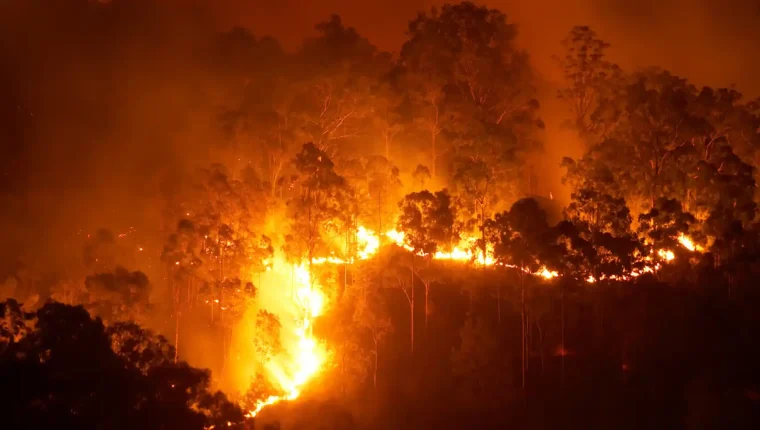
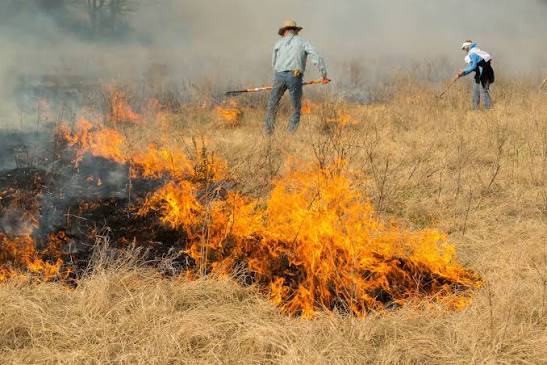
When water tables fall, dry peat becomes highly flammable. Fire travels underground, reappears and resists conventional suppression. The same water shortage limits firefighting. Indonesia’s Forestry Ministry recorded more than 202,000 burned hectares from January to July, almost three times Singapore’s area.
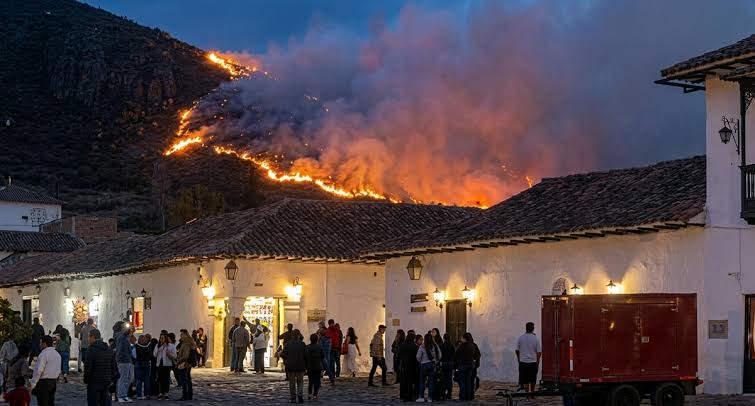
Dense haze spread across Borneo and more than 800 kilometers to the Philippines. It breached emergency thresholds in Malaysia, prompting a local emergency in Sarawak, while Japan sent firefighting assistance. Peat emissions therefore affect health, transport and air across borders.
The crisis is hydrological, health-related and economic. Month-long fires destroyed fern-gathering grounds in Sungai Malaya. Fishers and boaters cannot use the low Kapuas, smoke reduces visibility elsewhere, and palm-kernel barges sit grounded on sandbanks.
The Forestry Ministry acknowledged drained peatland impacts but said specific causes and liabilities require evidence. It promised coordination, enforcement against burning, patrols, early detection, risk monitoring, restoration and fire-control duties for permit holders and communities.
Immediate relief needs safe water, health care and firefighting resources. Prevention requires rewetting peat, managing canals, restoring vegetation and acting before dry seasons. Responsibilities must reflect capacity: concession operators and villages are not equivalent. El Niño triggered the alarm, but accumulated degradation shaped the damage.