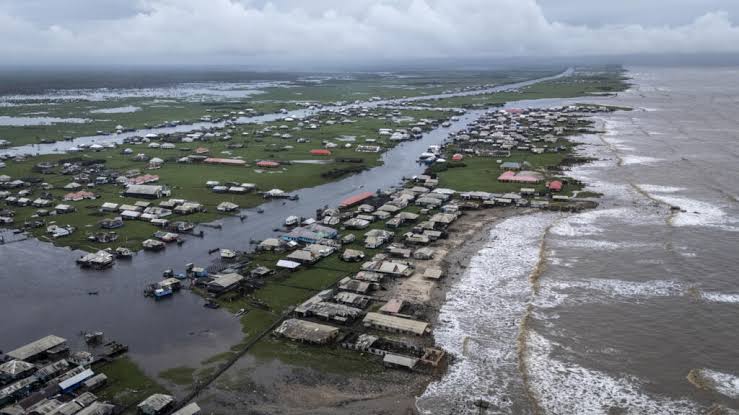
Ayetoro in southwestern Nigeria is both a coastal community and an ecological service station for birds traveling the East Atlantic Flyway. Curlews, whimbrels and sandpipers arrive between October and January from as far as Scandinavia and Russia; some winter there, while others rest and refuel. Egrets, herons and other resident species use the wetland year-round.
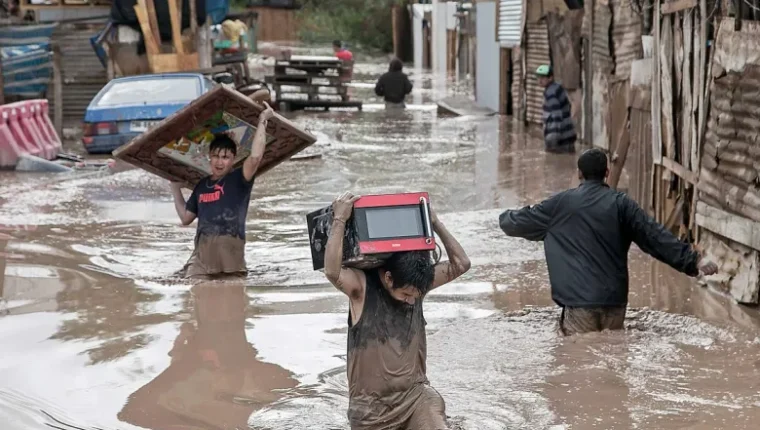
The refuge is disappearing with the human settlement. Satellite imagery shows erosion taking more than ten meters of land per year across two-thirds of roughly 80 kilometers of coast from 2010 to 2020. Some stretches retreated by a kilometer in three decades, hundreds of buildings were submerged and conservationists say more than half of Ayetoro has been swallowed by the ocean.
Sea-level rise and stronger tides are the main climate pressure, but they do not act alone. Saltwater intrusion changes plants and aquatic animals that birds use for food and shelter. Oil pollution, mangrove clearance for rice and sand mining add stress. Separating these drivers avoids a simplistic diagnosis and helps prevent adaptation from shifting harm elsewhere.
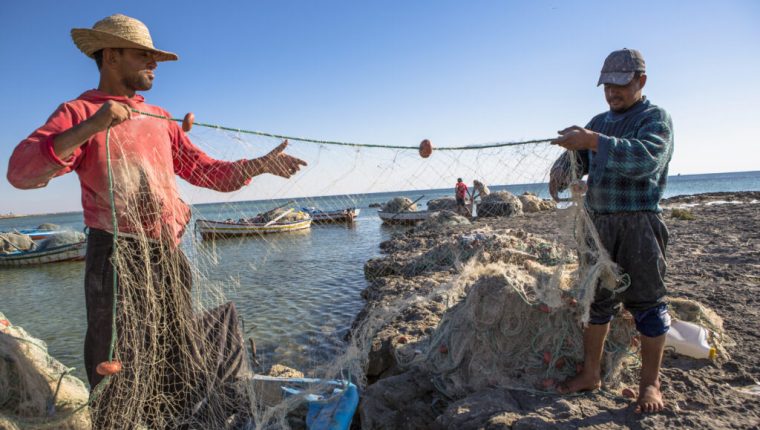
The Nigerian Conservation Foundation trains and pays local volunteers to identify and count birds, record behavior and gather photographic evidence. Their knowledge lowers costs and expands access to a place reached mainly by boat. The observations feed the International Waterbird Census and CREAF, a project strengthening flyway habitat in 11 African Atlantic countries.
Citizen science is not a cheap substitute for professional research; with protocols, training, supervision and continuity, it extends research capacity. CREAF support began in 2024 and ends in 2027, potentially leaving this fast-changing wetland without monitoring. Without stable time series, declines cannot be separated among local food loss, changes elsewhere along the flyway and natural variation.
Existing solutions show the wider agenda. At other project sites, residents removed invasive nipa palms, planted mangroves and tested solar refrigerators so fishers could preserve catch without cutting trees for smoking. In Ayetoro, public contracts for coastal defenses since 2009 were abandoned or failed, showing that infrastructure without maintenance, environmental review and accountability can spend money without protecting anyone.
In October, a senator sought national and international adaptation finance for coastal protection and reconstruction, and the Senate sent the issue to committees with a four-week deadline. A robust response must join community protection, mangrove restoration, controls on sand and pollution, risk-based infrastructure and long-term bird monitoring. Saving habitat without people, or protecting homes by destroying wetlands, would be a false solution.