
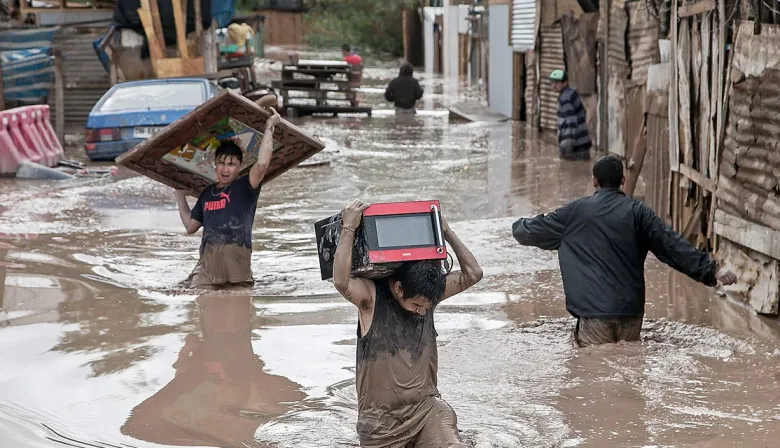
Rain linked to an exceptional El Niño flooded streets and homes in Piura in October, although persistent downpours usually arrive between February and March. In Chulucanas, water reached about 30 centimeters in the market and mud entered houses.
Senamhi forecast that Tumbes could receive up to 80 millimeters in 24 hours, more than the roughly 70 millimeters normally accumulated during an entire summer month. It called this the third extraordinary event after 1982-83 and 1997-98.
The most intense window was set for October 24-26, followed by a short pause from the 27th and a stronger cycle after November 5. The outlook covers Piura, Tumbes and other northern regions but requires continuous updates.
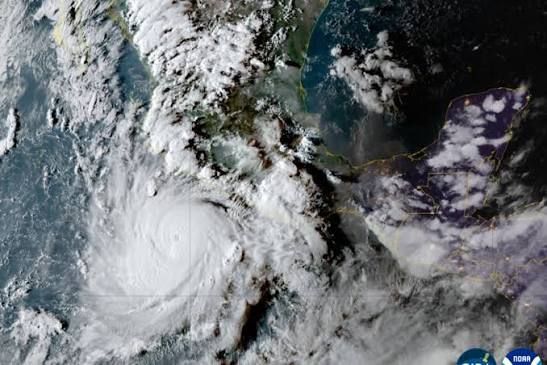
The ocean explains part of the risk: 29 degrees Celsius off Tumbes, 27 in Talara — nine above normal — and 24 in Pisco. Warm water supplies more moisture, but it does not alone determine rainfall totals or each flood location.
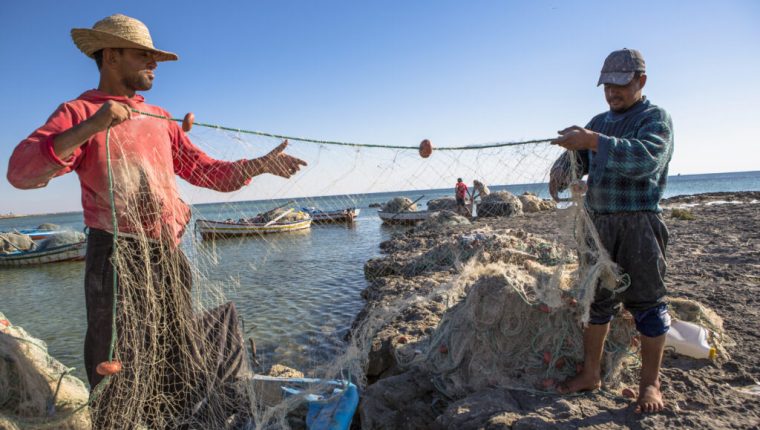
Economic effects already reach fishing and farming. Anchovy moved into deeper water and the second fishing season was canceled; the central bank projected a 30.7% sectoral decline while BBVA Research estimated $3.5 billion in 2026 losses.
Preventive execution shows a gap. By October, 2.517 billion soles had been assigned to the emergency, but agencies had spent 317 million, or 12.6%; family payments were due in December and part of the works in January 2027.
The government urged people in high-risk zones to evacuate, an urgent step where adobe classrooms, active ravines and neighborhoods without drainage remain exposed. Success depends on shelters, transport, trusted information and risk-reducing works, not announced budgets alone.