
Prince William publicly praised the recovery of Kazakhstan's saiga antelope and credited government backing for part of the progress. His comments came during a special BBC program focused on the Earthshot Prize.
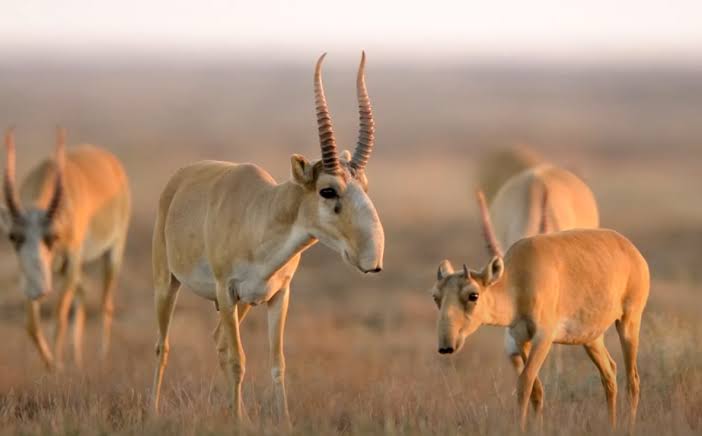
Earthshot says the population grew from about 40,000 animals to more than four million over two decades after a severe decline driven by poaching and disease. The figures are population estimates and can change with new surveys.
The Altyn Dala Conservation Initiative won the 2024 Protect and Restore Nature category and received £1 million. The award brings resources and visibility, but the ecological result rests on years of work preceding the prize.
The partnership brings together Kazakhstan's government, the Association for the Conservation of Biodiversity of Kazakhstan and international groups. Its tools include anti-poaching patrols, scientific tracking, protected-area expansion and management of breeding and feeding sites.
Saiga are mobile animals that depend on large, connected steppe landscapes. Recovery cannot be judged only by a head count: migration routes, water, disease outbreaks and coexistence with farming and livestock also matter.
Altyn Dala has expanded to other species and helped reintroduce Przewalski's horses after an absence of roughly 200 years. The wider effort aims to restore ecosystem functions rather than build isolated populations.
The case shows that sustained public support, science and partnerships can reverse a collapse. Keeping the gains will require transparent monitoring, protection from infrastructure and agricultural expansion, rapid disease response and steppe-community participation.