
Palangka Raya on Borneo has deployed a bus fitted with oxygen tanks and medical staff for residents affected by wildfire haze. Patients receive support for five to ten minutes and their details are recorded by the health team.
The service targets people reporting coughs, chest tightness or trouble breathing during unhealthy air. It offers immediate relief and basic assessment; it does not replace hospital care for severe symptoms or remove environmental exposure.
Some parts of Borneo and Sumatra recorded pollution-index readings above 1,000, while 300 is already categorized as hazardous. Scales differ, but levels of that magnitude signal extreme conditions and warrant sharply limiting outdoor activity.
Indonesia's Health Ministry counted about 350,000 fire-related respiratory illness cases from August through October 25. Central Kalimantan reported about 31,000; these accumulated figures describe consultations or diagnoses and not necessarily unique people.
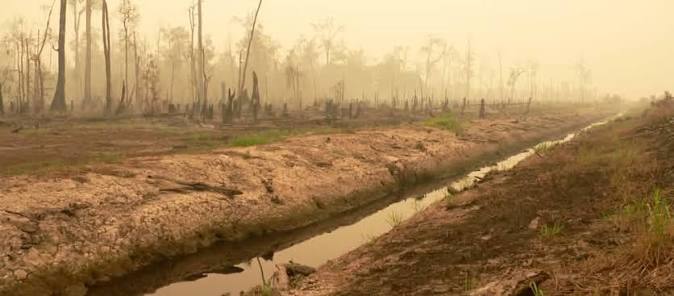
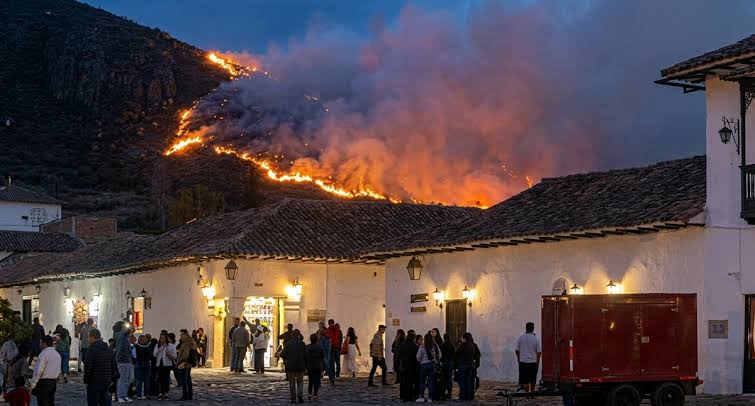
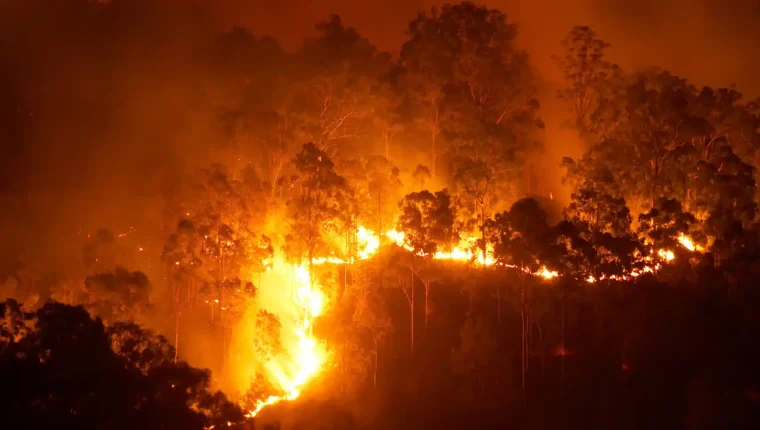
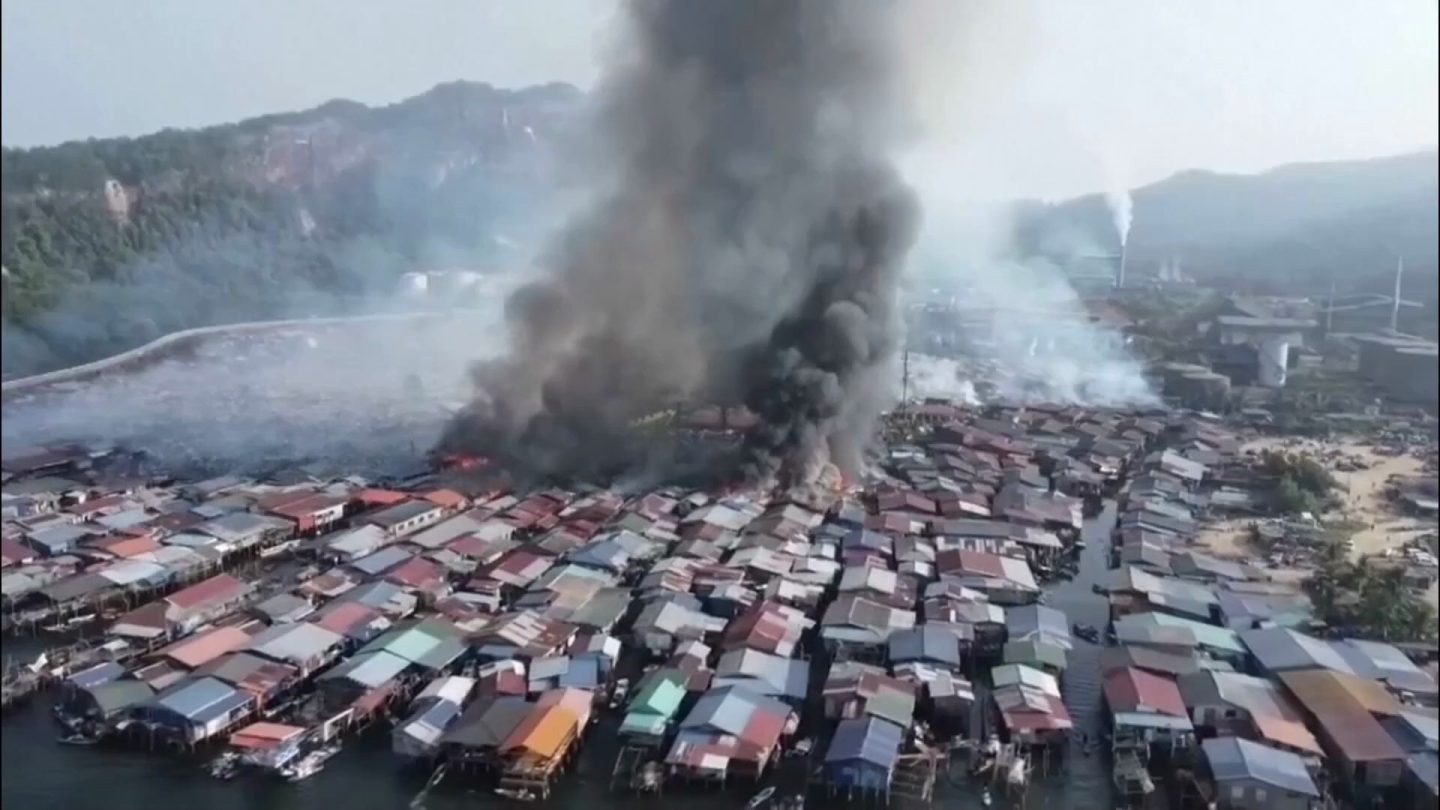
The 2026 fires are the most intense in more than a decade. El Niño raised heat and extended dryness, leaving forests and peatlands more vulnerable; smoke turned skies orange in Indonesia and reached Malaysia and Singapore.
Hundreds of students protested outside the governor's office seeking a stronger response. Their pressure underscores that oxygen and masks reduce harm during exposure but do not stop persistent burning or address responsibility for new ignitions.
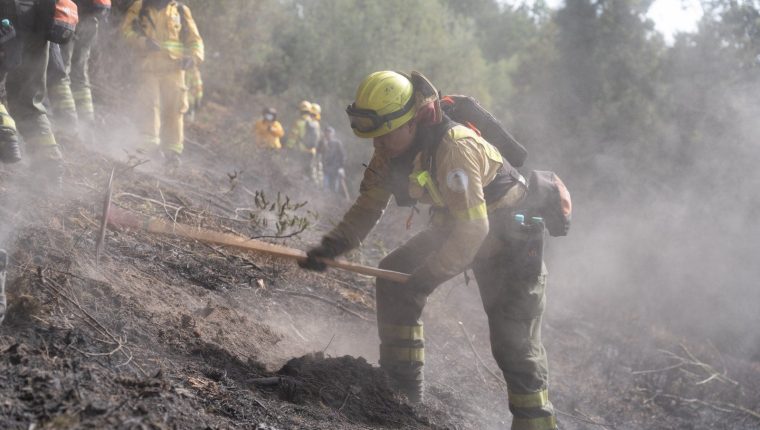
A durable response requires extinguishing fires, preventing burning and reignition, rewetting peatlands, enforcing concession rules and publishing health and air data. Mobile aid should connect with clean-air shelters, clinical care and priority protection for vulnerable people.