
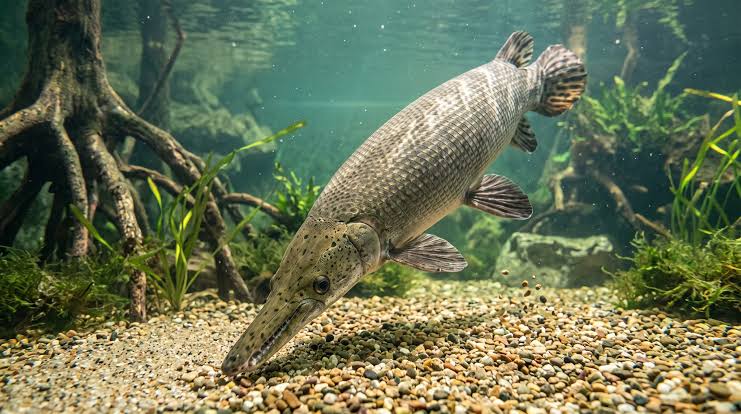
Guatemala's La Aurora Zoo and Marine Conservation Center have bred tropical gar, Atractosteus tropicus, under human care. UJAT announced the result on September 4 and highlighted techniques from its Tropical Aquaculture Laboratory. It demonstrates controlled reproduction, not recovery in rivers.
The fish belongs to a lineage the source dates to about 105 million years and inhabits Pacific-slope rivers, lagoons and estuaries, feeding on fish, shrimp and crabs. Ancient ancestry does not protect it from fishing, wetland alteration, pollution, barriers and severe drought.
The collaboration drew on UJAT specialist Wilfrido Miguel Contreras Sánchez. Broodstock management, induction, incubation, feeding and larval-care protocols reduce uncertainty around seasonal reproduction. Knowledge transfer also trains staff and makes local repetition possible.
Guatemala has a precedent: San Carlos University documented captive breeding in 2009 using Tabasco methods. The new result broadens national capacity, but ex situ reproduction needs connection to a national plan rather than remaining an isolated event.
The source does not provide offspring number, survival, kinship, genetic diversity or release plans. These determine conservation value. Small related stocks can lose variation, while release without health, genetic and habitat assessment can spread disease or fail against unchanged threats.
Any reintroduction requires basin studies, broodstock origin, genetics, water quality, fishing pressure, permits and community participation. Wild conservation also needs spawning sites, connectivity, flows and harvest control. Captive fish support education and reserves but cannot replace a functioning river.
The immediate success is that Guatemalan institutions acquired a repeatable regional technique. Long-term success means documented healthy cohorts, public protocols, genetic diversity, protected habitat and stable wild populations. Keeping that distinction turns a breeding milestone into evidence-based conservation.