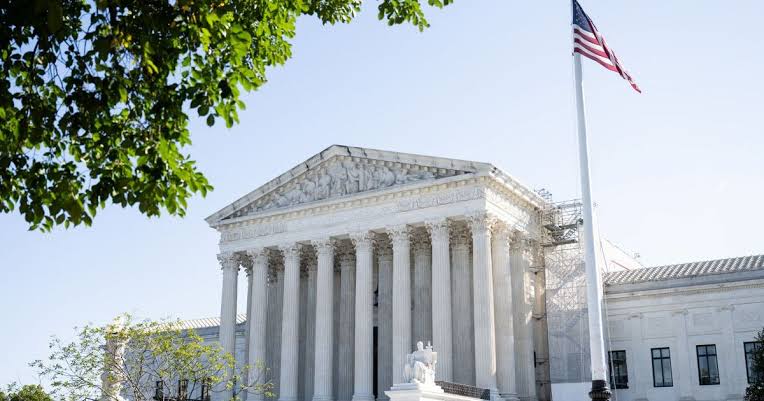
The US Supreme Court opened its 2026-27 term with a dispute that may shape dozens of climate lawsuits. On October 5 it heard ExxonMobil and Suncor Energy challenge the city and county of Boulder, Colorado. The immediate question is whether federal law bars state-court claims over damage linked to interstate and international emissions.
Boulder sued in 2018, before the Marshall Fire. Officials allege the companies misled the public about their products’ contribution to global warming and seek unspecified damages for adaptation and disaster costs. The claims rely on state tort and consumer law rather than asking Colorado to set a national emissions cap.
The companies say the suit indirectly regulates a global activity and is displaced by the Clean Air Act and federal authority. The Trump administration supports that view. Boulder says it seeks compensation for local harm and allegedly deceptive commerce, fields traditionally handled by states.
Lower courts and the Colorado Supreme Court allowed the state claims to proceed. They did not prove deception, causation or damages. The federal justices are considering preemption and whether they have jurisdiction to review a case not yet finally resolved. No merits trial has taken place.
The December 2021 Marshall Fire gave the dispute a human dimension. It swept through Louisville and Superior, destroyed more than 1,000 homes and caused roughly $2 billion in damage. Climate change was considered a factor, but Boulder filed three years earlier and the suit does not decide who ignited that specific fire.
The consequences reach beyond Colorado. States and cities have filed similar cases over fire, flood, drought and coastal costs. A company victory could block many claims before trial. A Boulder victory would let litigation continue but would not automatically establish liability or payment.
The eventual opinion must be read narrowly. The court may rule on jurisdiction, federal preemption or both without creating a scientific formula for assigning each disaster to a company. This stage asks who may hear the claims and under which law they can be tested.