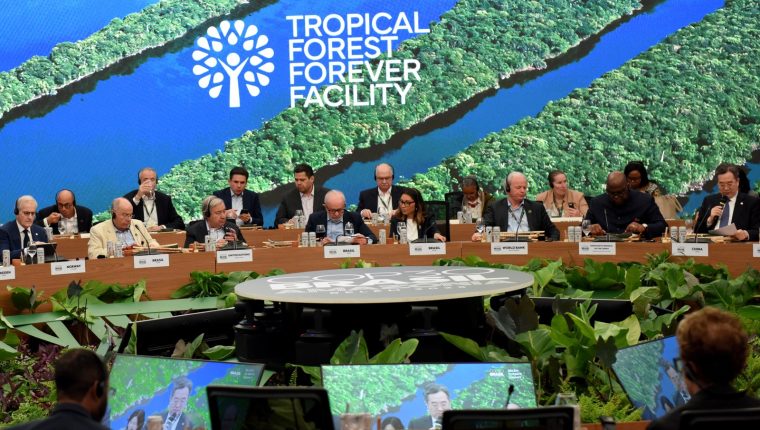

The Green Climate Fund approved two FAO-supported projects worth $184.8 million at its B.46 meeting on October 28. Algeria receives its first GCF project for steppe and dry-forest restoration, while Mexico receives a results-based payment for verified 2018–2019 forest emission reductions. Approval should not be confused with future delivery.
Algeria's seven-year programme covers 454,138 hectares in six provinces of the historic Green Dam. GCF provides a $43 million grant and the government $56.5 million in co-finance. It aims to reach over one million people and directly support 142,000 farmers, herders and pastoralists, more than one-third women.
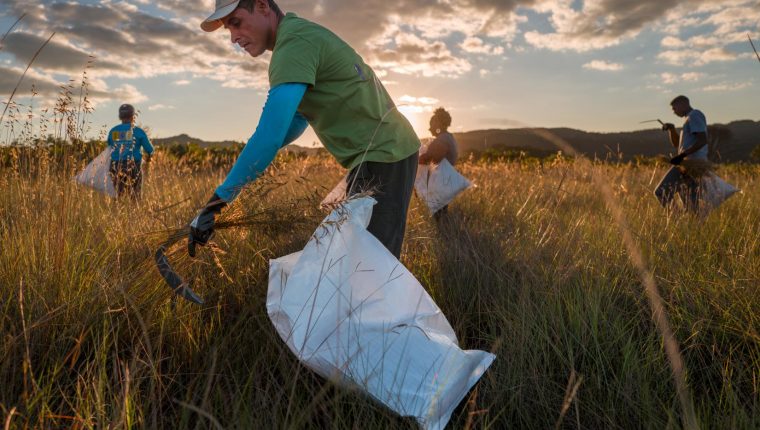
Targets include restoring over 59,000 hectares, installing 190 productive solar kits and 240 hydroponic forage units serving more than 25,000 livestock. It also supports micro-enterprises, at least half women-led, and resilient value chains for prickly pear, olive, rosemary, wool, esparto and peppermint.
The project projects 540,355 tonnes of CO2 equivalent reduced or sequestered by completion and over 1.8 million over its lifetime. These depend on plant survival, grazing, water governance and equipment maintenance. Monitoring must include soil, biodiversity, income and equity, not only treated hectares.
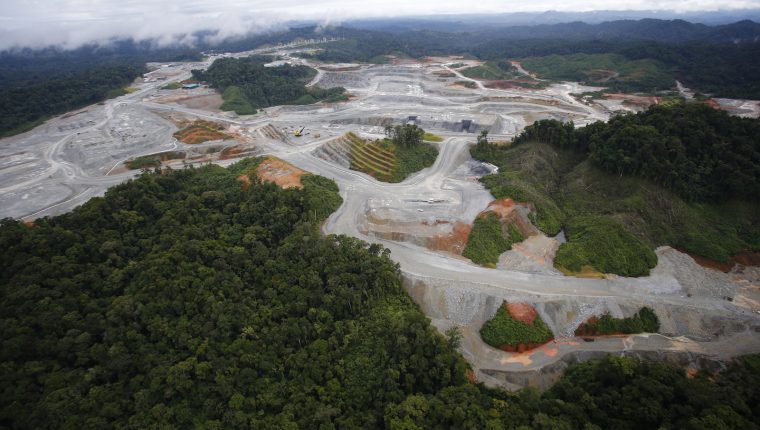
Mexico will receive $85.3 million under the GCF's new REDD+ results policy for 12,915,671 tonnes reduced in 2018–2019. The payment rewards a past result and will be reinvested over six years. It neither resells the same carbon nor guarantees future deforestation stays low.
Plans include 1,200 farmer field schools, conservation payments and management across 205,000 hectares, 120 women-led initiatives and support for over 33,000 people, including Indigenous and Afro-Mexican communities. An additional 262,801 tonnes of reductions are projected by 2032, subject to safeguards.
FAO will oversee the projects, with Algeria's forest directorate and Mexico's CONAFOR implementing. Public data, consent, grievance mechanisms, audits, carbon permanence and ecological evaluation will determine whether $184.8 million creates durable resilience rather than merely counted activities.