
Polysmart Packaging has commissioned the first phase of a $60 million food-grade PET recycling plant in Mowe, Ogun State. It is designed to process up to 100,000 tonnes of post-consumer bottles a year and return part of that stream to new packaging. Commissioning establishes capacity but does not show that full volumes are already being achieved.
At full operation, the project targets 60,000 tonnes of food-grade rPET and 20,000 tonnes of other recycled plastics annually. The gap between input and output includes caps, labels, dirt, moisture, incompatible polymers and process losses. Useful reporting must therefore cover yield, purity, resource use and the destination of rejects, not only bottles received.
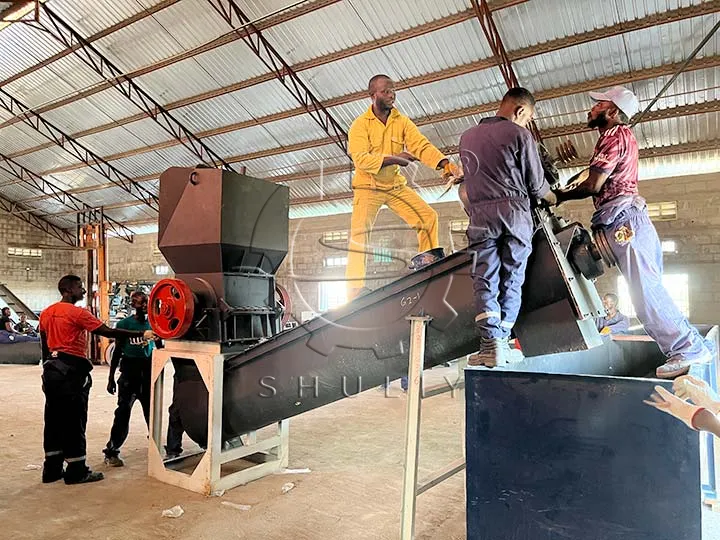
The line combines sorting and recycling systems from TOMRA, EREMA and Sorema. Food-contact quality requires separation by polymer and colour, washing, decontamination, migration testing and traceability. Regulators should independently verify compliance and ensure recycled-content claims refer to genuinely recovered post-consumer material.
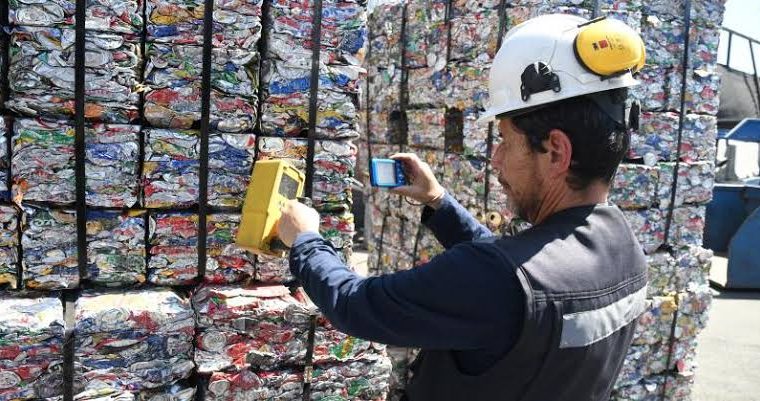
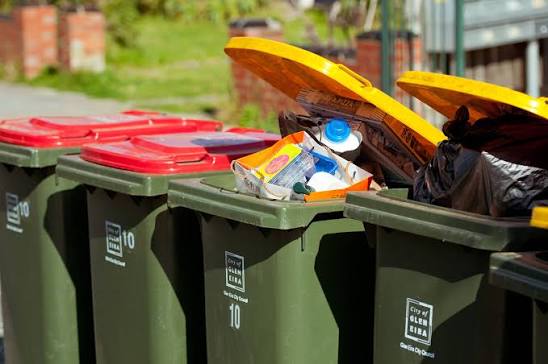
Feedstock is the main operational challenge. Polysmart reports 25 aggregation centres in eight states and plans another 250 within two years. Capturing the equivalent of 6.5 billion bottles annually requires stable routes, source separation and predictable prices without displacing informal collectors or worsening their work.
The company forecasts about 1,000 direct and over 50,000 indirect jobs. These are estimates, not verified employment already created. Their value depends on contracts, wages, protective equipment, accident prevention, equal opportunity and collectors' bargaining power within the expanding chain.
Polysmart estimates that replacing imported virgin resin could save Nigeria $72 million in foreign exchange each year. Local supply can reduce price exposure and virgin-plastic emissions if the plant uses energy efficiently, treats wash water, controls emissions and keeps non-recyclable residues out of open dumps and fires.
One plant cannot solve plastic pollution. Prevention, reuse, producer responsibility, municipal collection and reliable markets remain necessary. Success should be measured through audited processing and sales, recovery rates, certified quality, safe work, and public water, energy and reject balances. Announced capacity is an opportunity that must now become evidence.