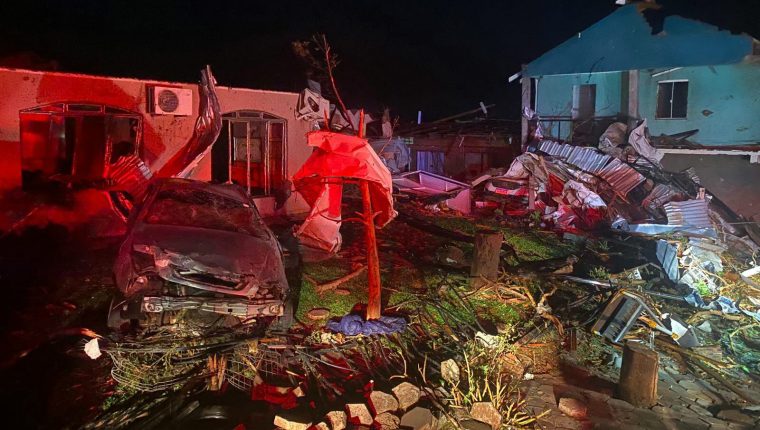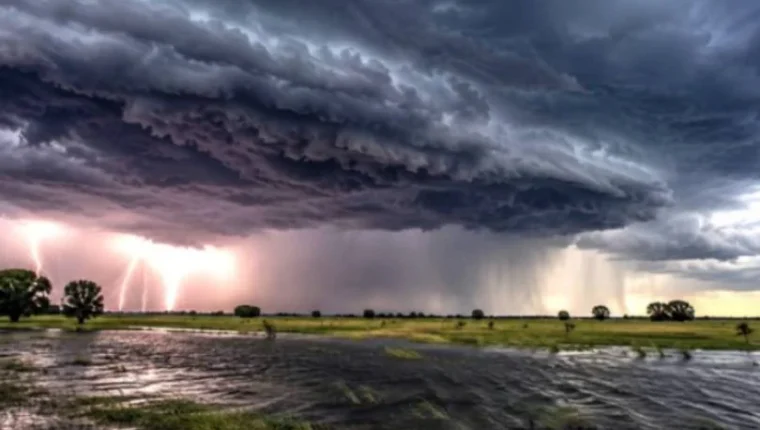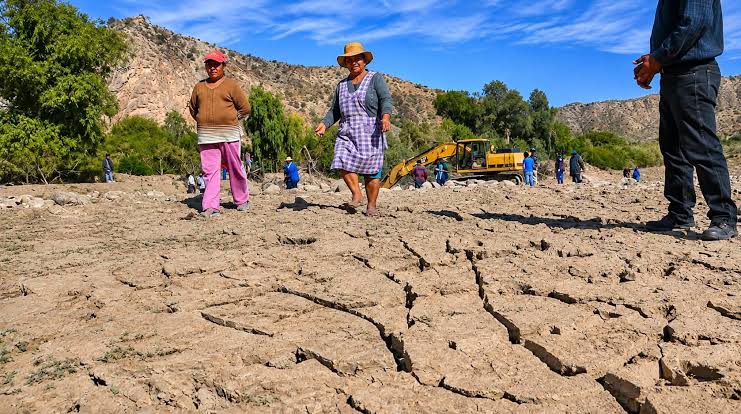
COP31 opened in Antalya with about 100,000 attendees, over 90 heads of state and nearly 200 countries under pressure to turn commitments into delivery. Health Day exposed the gap between recognizing crisis and funding hospitals, warnings, safe water and workers.
Climate finance entered the agenda, but Africa withdrew a separate item on tripling adaptation. The COP30 pledge lacks a baseline and amount and may cover only 20–29% of roughly US$420 billion developing countries need annually by 2035.
International public commitments for health adaptation fell from about US$3.2 billion in 2022 to US$2.2 billion in 2024, only 5% of public adaptation finance. Over 90% of WHO-surveyed countries cite insufficient finance as a top barrier.
Lancet Countdown linked heat to a record 710,000 deaths in 2023, nearly three-quarters climate-related, and fossil-fuel air pollution to another 2.78 million. These are epidemiological estimates, not certified individual counts.
Türkiye and WHO launched the voluntary Antalya Initiative for Resilient Health Systems to share results and costs. On opening night it had no published funding, staff or participating-country list.
Brazil's Belém Health Action Plan financing framework maps existing climate funds, banks, philanthropy and budgets for some 60 non-binding measures endorsed by 40 countries. Minister Alexandre Padilha stressed it is not a new fund.
Tedros said declarations do not protect people; implementation does. COP31 will be judged on additional grant finance, fossil-fuel cuts and health systems that turn warnings into care before disaster.