
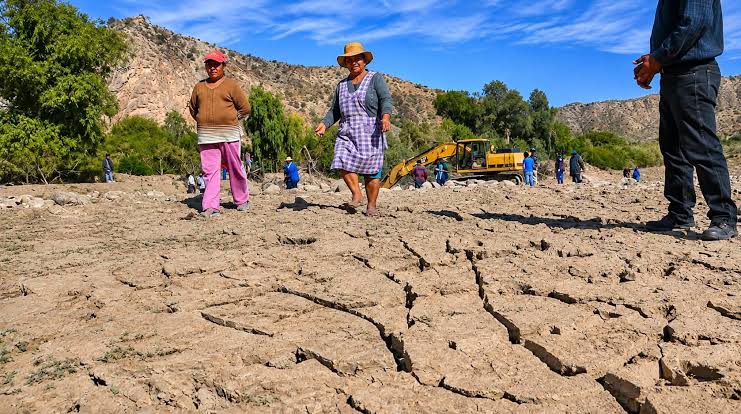
President Rodrigo Paz declared a national emergency on October 31 over current and expected El Nino impacts. The decree enables extraordinary mobilisation of funds, rescue teams and aid for drought, heat, fires and possible floods. It is an administrative response tool, not evidence that every part of Bolivia faces the same hazard.
A government report cited by the source says drought affects 78,000 families in six of nine departments and has caused the loss of more than 75,000 cattle. Water shortages threaten drinking supplies, crops, pasture and rural income, while municipal updates are needed to clarify deaths, forced sales and other losses.
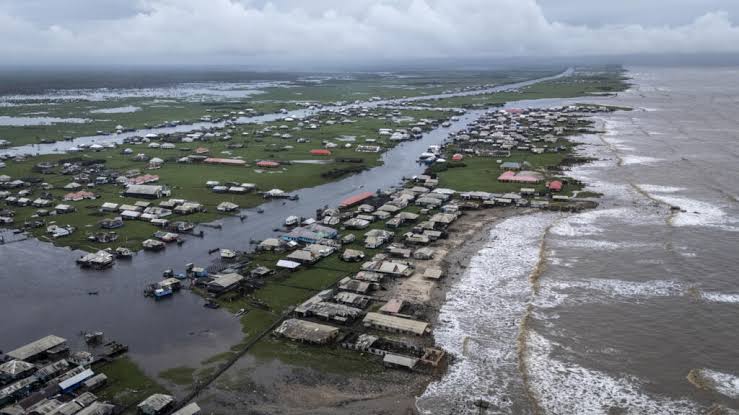
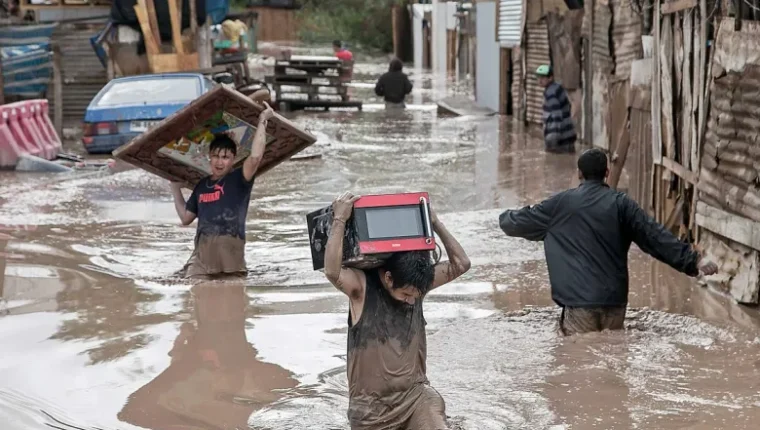
Bolivia can face excess rain at the same time. Floods in Santa Cruz in December 2025 killed dozens and damaged infrastructure. The contrast is not inconsistent: El Nino shifts circulation unevenly, bringing drought to some basins and storms, landslides or river floods to others.
The article says the World Meteorological Organization estimated in early September a near-100% chance that El Nino conditions would last through February 2027, with a late-2026 peak and impacts into 2027. These are evolving probabilities, and labels such as historic require continued ocean observations and regional models.
Nor can every death, fire or crop loss automatically be attributed to the ocean pattern. Reservoirs, irrigation, deforestation, floodplain settlement, housing, poverty and local capacity shape exposure. El Nino may alter a hazard's likelihood or intensity, while disaster emerges when it meets vulnerability.
The emergency should deliver safe water, food and health support; livestock feed and care; fire surveillance; cleared drains; shelters and flood alerts. Accelerated procurement still needs traceability, alongside public maps of risk, stocks, assisted municipalities and priority rules.
Its test is whether Bolivia anticipates the next impact rather than only distributing relief afterwards. Linking seasonal forecasts to local warnings, protecting water sources, repairing infrastructure and supporting resilient crops can reduce losses. A public dashboard could show whether resources reach the 78,000 families as conditions shift.