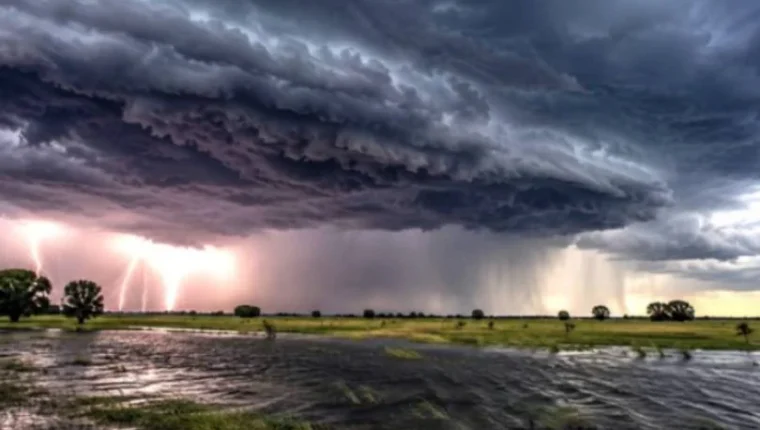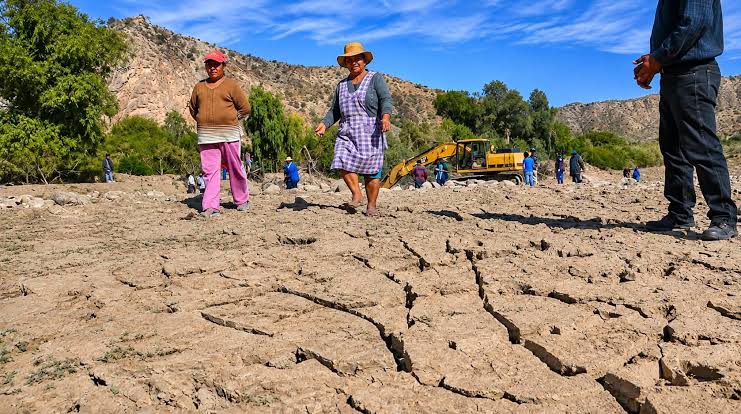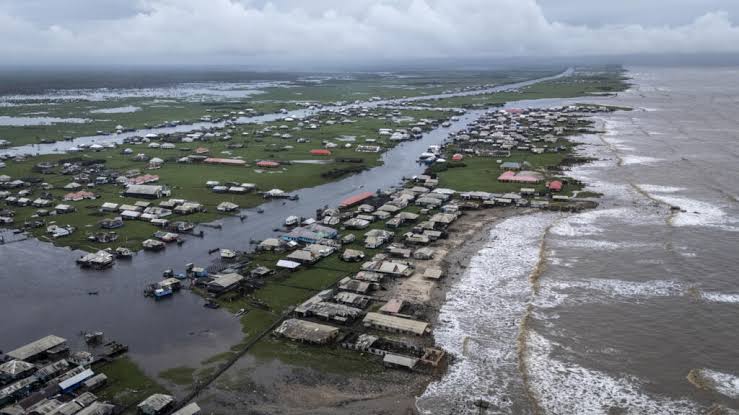

COP31 opens in Antalya during a year of heat, floods, fires and energy shocks. Leaders speak first and negotiators follow; its test is not a new declaration but implementation of commitments already made.
Global warming is around 1.4°C and current pledges still point to roughly 2.6°C by century's end. That gap raises extreme-weather and tipping-point risks, from ocean circulation to the Amazon.
The political core is the promised transition away from fossil fuels. Solar and wind are expanding rapidly while coal, oil and gas also grow; the UN estimates fossil subsidies at $1.1 trillion this year.
Turkey proposes raising electricity's share of global energy use from 21% to 35% by 2035, preferably with renewables. Electrification cuts fossil demand only if grids become cleaner, expand quickly and remain affordable.
Developing countries seek finance for clean energy, adaptation and loss and damage, while the United States—the largest historic emitter—is absent. Other wealthy states, development banks and major economies must provide verifiable additional money.
War in Ukraine and this year's conflict around Iran and the Strait of Hormuz have revived energy-security fears. The shock may accelerate domestic renewables or lock in new fossil infrastructure for decades.
Cheap solar, wind and electric vehicles provide real grounds for hope. Success nevertheless requires implementation rules, deadlines, accountable actors, additional finance and public tracking, including for smaller coalitions acting outside consensus.