
The El Niño that began in the equatorial Pacific during boreal spring has entered unprecedented instrumental territory before its expected year-end peak. “Super El Niño” is descriptive rather than a universal operational category, and the ocean anomaly alone does not determine each hazard's severity.
WMO said the monthly Niño 3.4 index rose from +2°C to +2.8°C between July and September. A daily series reached +3.11°C on September 21, above the November 2015 record of +3.08°C, and was near +3.5°C at October's end; subsurface water was about 11°C above normal.
Seasonal models project further strengthening and a peak near +4°C, while NOAA assigns an 83% chance of a historic event from October to December. Yet no seasonal system has been validated against an episode this large, and August observations ran about 0.3°C cooler than forecasts.
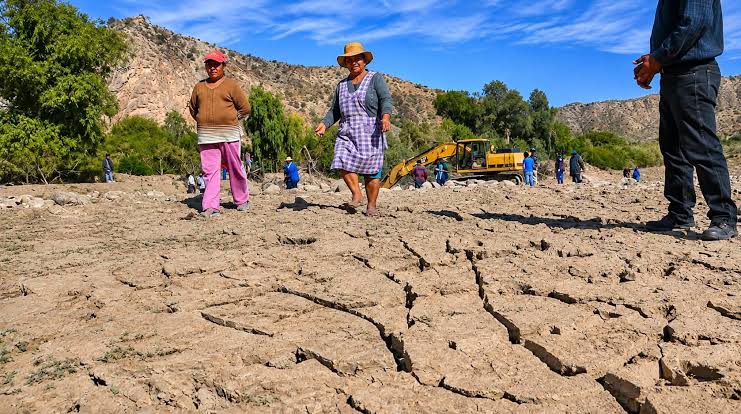
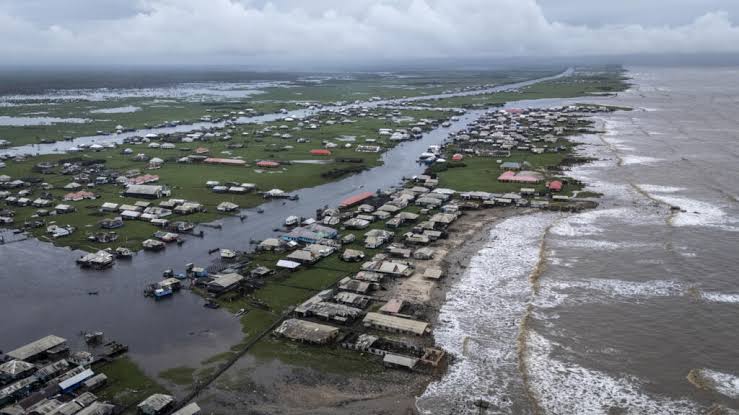
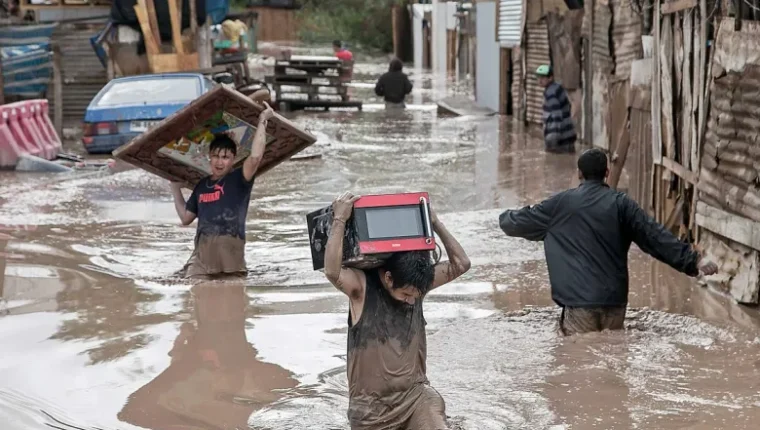
Impacts are asymmetric: Indonesia has drought, fires and toxic smoke; French Guiana recorded only 2.9 millimeters of September rain; India had one of its weakest monsoons in 25 years; Bolivia declared a drought emergency, while western South America and East Africa face heavier-rain risks.
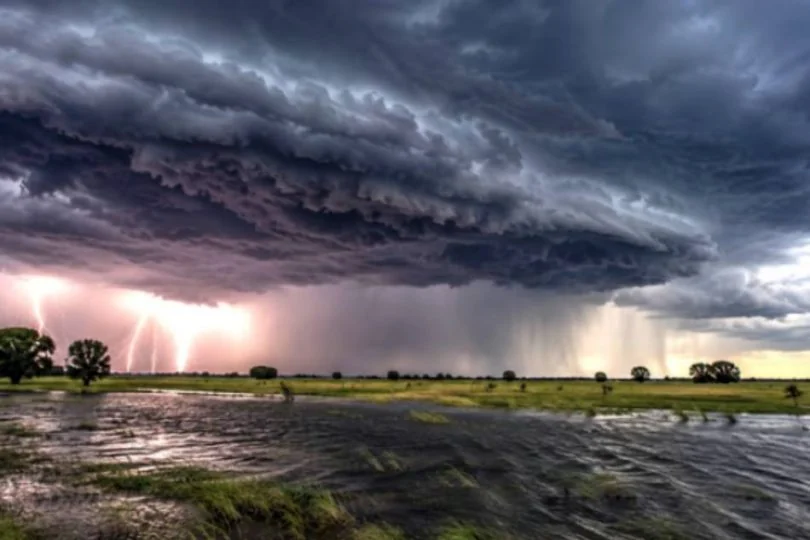
Teleconnections weaken with distance from the equatorial Pacific. El Niño may favor or suppress regional rain, but other atmospheric patterns, terrain and ocean heat can offset it. Individual floods, hurricanes or fires therefore require local data and attribution studies.
Human-caused warming adds another layer. Without removing the warming trend, the episode exceeds prior peaks; adjusted for it, the event is closer to historical records. Scientists lack consensus that climate change is amplifying El Niño, although several lines of evidence are emerging.
Planning should prepare water, farming, health, energy, fire and infrastructure systems for several scenarios into 2027. Publishing probabilities and uncertainty avoids both minimizing an extraordinary episode and portraying every disaster as the inevitable result of one Pacific index.