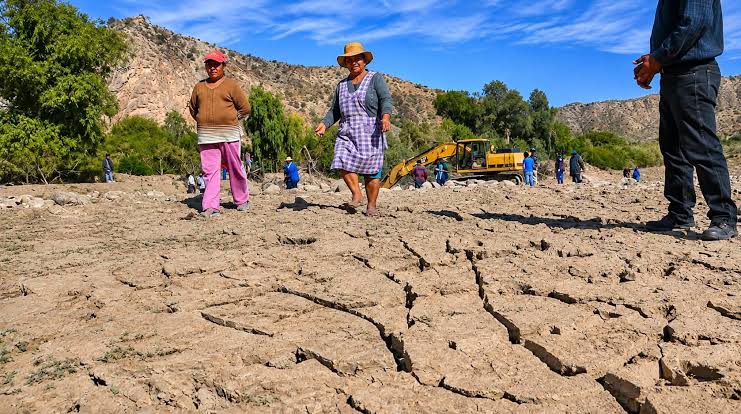


A severe El Niño could cause up to US$11 trillion in accumulated global income losses over five or six years, according to IFAD analysis presented at COP31. It is a scenario estimate, not an observed bill or certainty that the maximum will occur.
The model combines direct damage to agriculture, infrastructure and economies with indirect effects through food and commodity prices, demand and trade. Energy and fertilizer shocks in 2026 already spread through production, processing, transport and distribution.
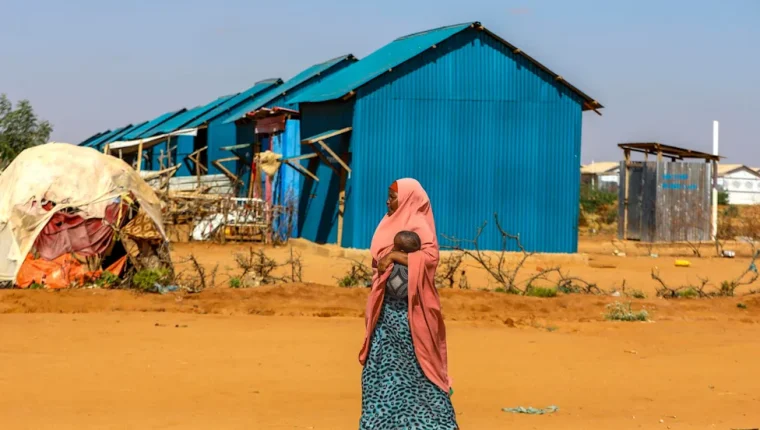
Small-scale farmers produce about one-third of the world's food but often have less irrigation, savings, insurance and reliable market access. Drought, expensive inputs and volatile prices can therefore strike the same household together.
IFAD modelling found finance-only measures such as insurance reduced farm-income losses by 9.8%, while bundled inputs, technology, markets and finance cut them by 18.7%. Portfolio results are not a uniform guarantee.
In Bangladesh, solar irrigation, vermicompost training, credit and certification opened premium markets and household incomes rose 50%; Türkiye projects combining grants, irrigation and storage reported 40% income growth.
WMO says January–September 2026 averaged about 1.47°C above 1850–1900 and the past 12 years were the warmest recorded. El Niño is strengthening and may extend impacts well into 2027.
El Niño releases rather than creates heat from an ocean absorbing about 90% of excess energy. The US$11 trillion figure sizes the risk; useful policy finances water, inputs, insurance, storage and warnings before losses arrive.