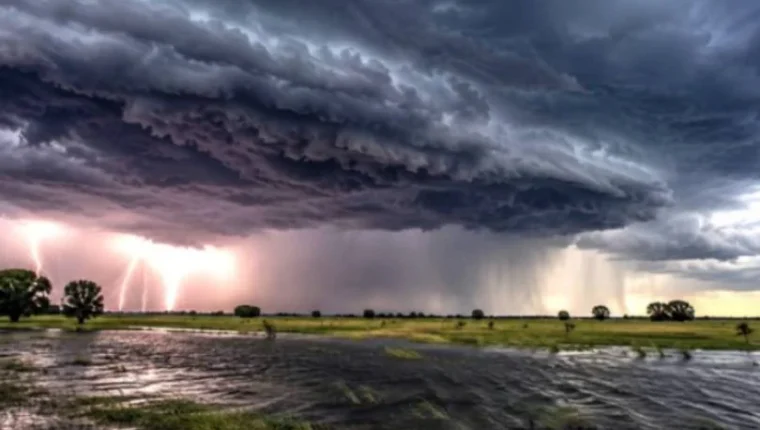

Waterleaf, a tender green used in soups such as afang, has become scarce in southern Nigerian markets after months of rain. Calabar growers describe snapped stems, saturated roots and plants failing to mature; even a moisture-tolerant crop loses biomass in oxygen-starved soil.
The story is not simply more rain everywhere. Records from 1981–2022 show declines in savanna areas such as Abuja but increases along the southern coast, while onset, distribution and ending dates have become less predictable.
Cross River's seasonal forecast suggested normal-to-below-normal rain, yet farmers reported heavy downpours almost daily. Regional averages can hide local extremes, making community gauges, open data and forecast verification valuable.
Scarcity reached markets quickly: a small bundle sold for 1,000 naira, while one restaurateur paid 8,000 for an amount formerly costing 3,000. Vendors buy less to avoid rot and households change meals.
Fuel prices have risen 65% since February and annual food inflation climbed from 8.9% in January to 19.6%. Rain did not cause all of that; energy, transport and national economics amplify local crop damage.
Floods damaged an estimated 569,251 hectares of cropland in 2022 and nearly one million hectares across 29 states in 2024. Those are national precedents, not the current waterleaf loss, but show the food-security exposure.
Controlled farming can stabilise output but is too costly for many smallholders. Raised beds, drainage, better siting and useful local forecasts are nearer-term tools, to be judged by plant survival, harvest, net income and consumer prices.