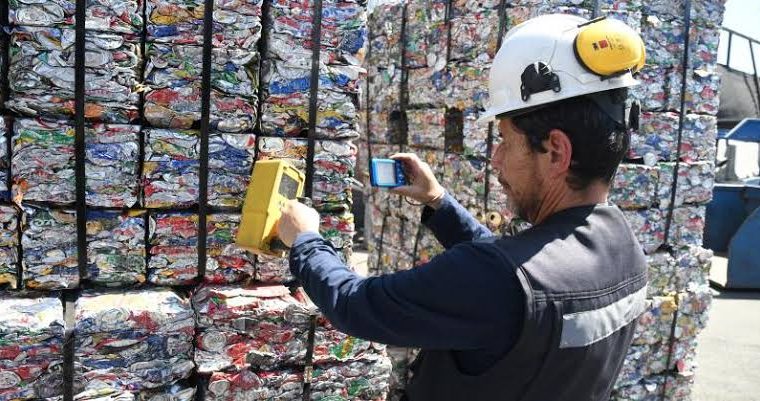

A bill before Jalisco's Congress seeks to shift waste policy from collection and disposal toward material recovery. Deputy Mariana Casillas developed the proposal with organizations and communities around source separation, composting, digital traceability, circular economy and recognition of waste pickers. Filed in September 2026, it is not yet binding.
A diagnosis by Eukariota and Reverdece estimates more than 65,000 metric tons of waste daily: 8,000 urban and 57,000 special-management tons. It says 95% of waste in metropolitan Guadalajara reaches landfills or receiving bodies and only three in ten municipalities comply with current rules.
Those figures come from proponents and require comparison with official, methodologically consistent records. The first reform line would replace a two-way organic/inorganic split with organic, recoverable inorganic and hard-to-recycle categories, backed by phased separate collection and targets.
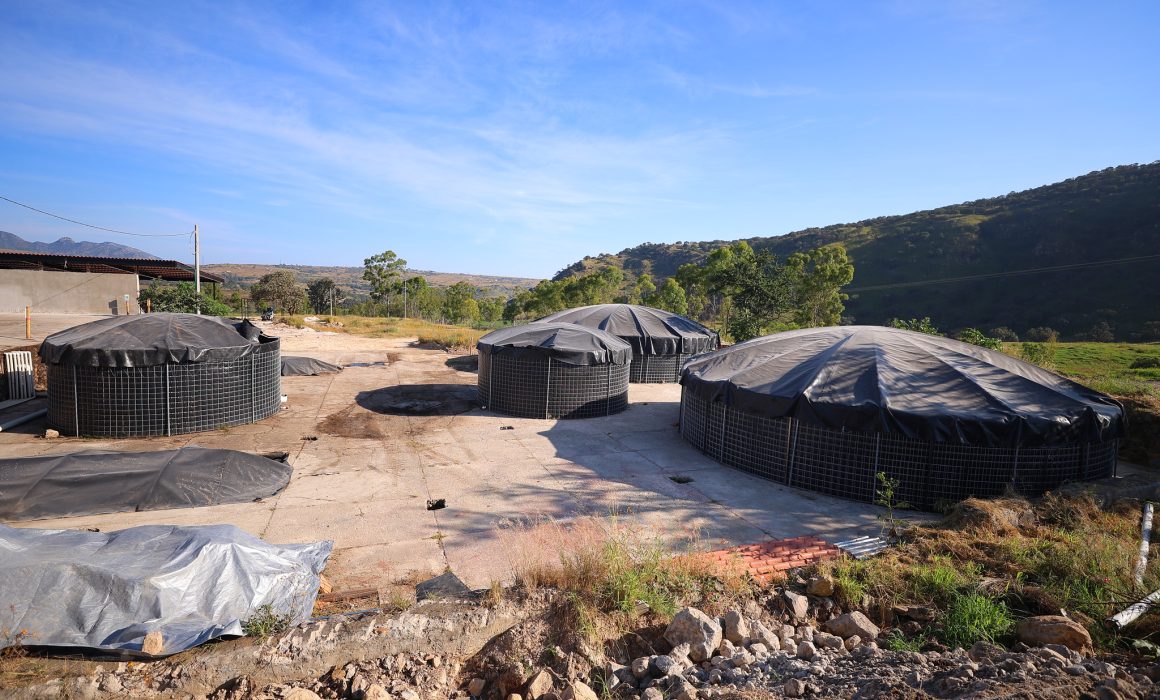
A second pillar promotes municipal, community and household composting over as many as six years. Proponents estimate a municipal plant at three to nine million Mexican pesos and 20 to 120 direct green jobs. Land, operations, product quality and compost markets must test those projections.
Digital manifests and a traceability platform would follow waste from major generators through carriers and authorized destinations. Open aggregate data could reveal diversion and compare recovery, but only with interoperability, audits and penalties for false or incomplete reporting.
Other pillars add circular bioeconomy, sustainable procurement, ecodesign and inclusive recycling. A theoretical 2.9 million cubic meters of daily biomethane potential is based on estimated biowaste and sludge, yet the bill prioritizes bioinputs, materials and onsite energy rather than a commercial gas industry.
Implementation would fall to 125 municipalities with unequal capacity and require state support, finance, infrastructure and participation from landfill-affected communities. The legislative debate must define budgets, duties, auditable targets and territorial justice, or an ambitious framework may become impossible to execute.