
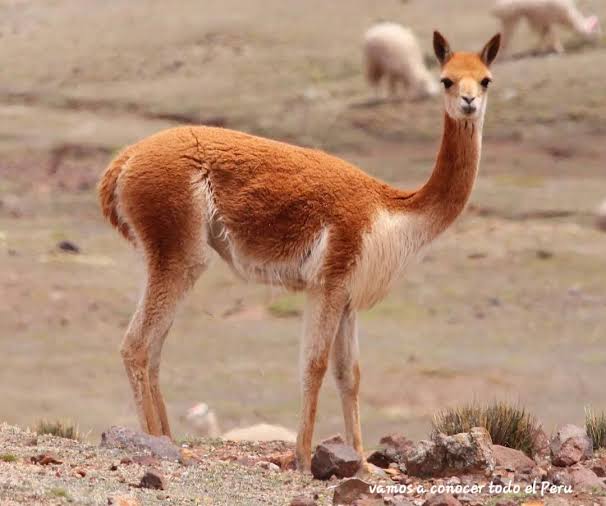
Water deficit since October 15 in Pilpichaca, Ingahuasi, Viscapalca, Pallccapampa and Maraypampa has killed 279 animals and affected 15,601, according to the November 10 COEN-INDECI report. Livelihoods of 202 camelid and cattle producers were affected.
The emergency follows missing rainfall in systems dependent on wetlands, native pasture and scattered water. Affected livestock are not all dead; impacts can include weight loss, disease, feed shortage and longer movement.
Supreme Decree 140-2026-PCM declared an emergency, with the report recording October 12, 2026 to December 10, 2027. That unusually long period should be read against the official text and any amendments.
The municipality continues SINPAD assessments; one rapid form and nine household forms were approved. The regional camelid directorate is using ECDANSAR to refine livestock damage and needs.
COEN closed national monitoring because response will continue in the medium term. Administrative closure does not mean rainfall, water, pasture or family livelihoods have recovered.
Immediate action can combine safe water, forage, veterinary care, protection of pregnant females and young, wetland safeguards and agreed movement routes. Groundwater extraction requires hydrogeological limits.
Long-term resilience needs rainfall and flow monitoring, community feed reserves, pasture restoration and early triggers. Success should be measured in survival, weight, water access and producer income, not forms alone.