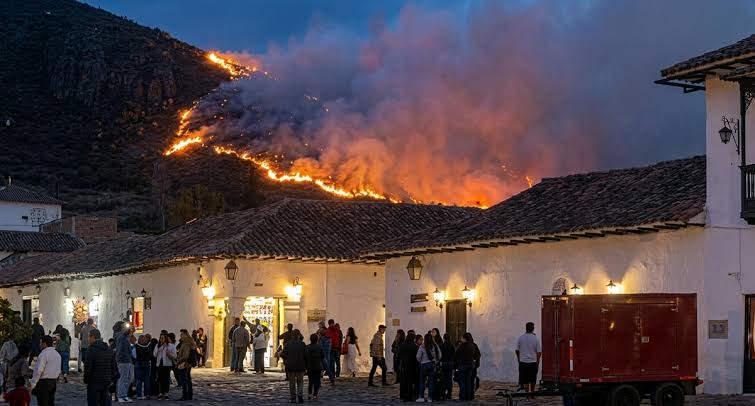

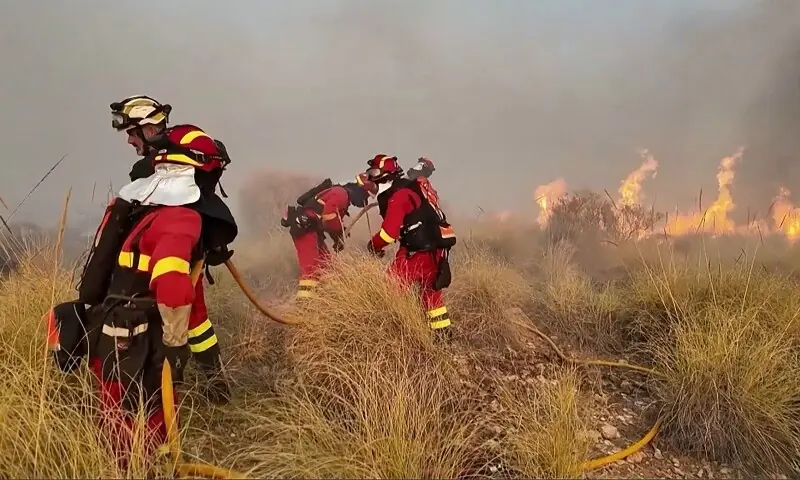
Spain is facing one of its largest wildfires in recent years as a new heat wave strains much of Europe. The main blaze is burning through a rural area of Guadalajara, in central Spain, where more than 32,000 hectares have already been affected and dozens of communities have been evacuated or placed under protective measures.
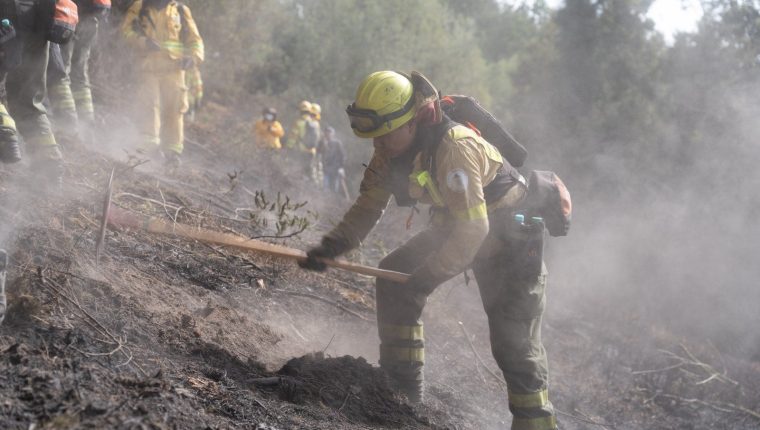
More than 200 firefighters are working with ground vehicles and aircraft to contain a fire spreading through a landscape exposed to extreme temperatures, dry vegetation and weather conditions that favor rapid expansion. Authorities reported evacuations in around 34 villages, with no deaths or serious injuries reported in this latest event.
The Guadalajara fire comes less than two weeks after a particularly deadly blaze in southern Spain killed 13 people. The sequence reinforces a pattern now visible across the Mediterranean: fire seasons are becoming longer, more intense and harder to manage when extreme heat overlaps with drought, shifting winds and accumulated vegetation fuel.
Spanish Prime Minister Pedro Sanchez visited the affected area and called for a political pact to confront climate change. His appeal points to an issue that goes beyond immediate emergency response: wildfires can no longer be treated only as isolated civil protection events, but as part of a wider agenda of adaptation, prevention, land management and climate risk reduction.
Spain's emergency is part of a broader European picture. Italy, Greece, Cyprus, France and other countries are facing days of extreme heat and elevated wildfire danger. In several Mediterranean regions, emergency services are being pushed to their limits during increasingly frequent periods above 40 degrees Celsius.
For the environmental agenda, the case shows again that wildfire prevention must integrate climate information, vegetation management, early detection, urban planning and community coordination. Fire does not begin only when a flame appears: it is prepared over months of dryness, heat waves, land abandonment and insufficient capacity to anticipate risk.